The Alpine Enigma: An Introduction to Liechtenstein
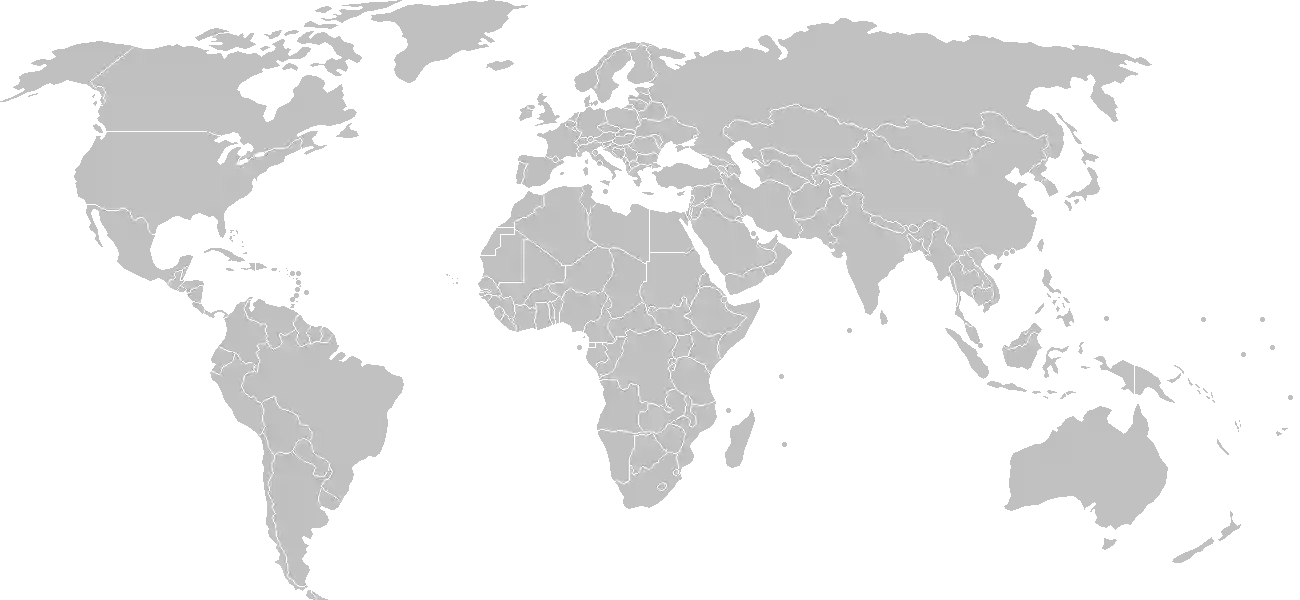
Perched precariously between the powerful borders of Switzerland and Austria, Liechtenstein exists as a sovereign anomaly, a high altitude sanctuary of tradition, industry, and sublime geography. To understand this nation, one must shed the common expectations of modern geopolitics. It is not merely a country that occupies space; it is a meticulously preserved fragment of the Holy Roman Empire, a constitutional monarchy that manages to balance the weight of historical legacy with the agility of a global economic powerhouse. The geography here is not incidental. It is the defining protagonist of the national narrative. The Rhine River anchors its western flank, providing a lifeline to the lush valley, while the soaring peaks of the Rätikon range guard the east, turning the nation into a fortress of quiet solitude.
For the traveler, student, or historian, Liechtenstein offers a rare paradox. It is one of the world's smallest nations, yet its influence ripples through international finance, manufacturing, and alpine ecology. It remains a place where the hum of high tech machinery coexists with the rhythmic tolling of church bells in ancient villages. To truly grasp the progression of this Principality from a cluster of feudal lands to a modern sovereign state, we invite you to explore the history of Liechtenstein, where the narratives of the House of Liechtenstein have been carefully archived for your study.
A Chronicle Woven in Stone and Strategy
The story of Liechtenstein is one of incredible resilience. While much of Europe was repeatedly redrawn by the fires of conflict and empire, this land maintained a singular continuity. It survived because of its geographic seclusion, tucked deep within the Rhine Valley, and because of the diplomatic acumen of the Princes of Liechtenstein who recognized that autonomy was best protected by blending historical reverence with calculated neutrality. It is not a story of expansion, but of preservation. Those interested in testing their knowledge of how these various shifts and agreements defined the modern map might enjoy our interactive history puzzle, a chronological challenge designed to reward those who can master the timeline of this resilient principality.
To visualize this narrative, we often turn to the artistic expressions that have been commissioned across centuries. From the transition of castle fortifications to the emergence of modern administrative centers, the evolution is as striking as it is deliberate. For a visceral look at these shifts, engage with our history cinematic showcase, which weaves together archival illustrations and expert summaries into a cohesive, immersive experience that bridges the gap between ancient archives and the modern digital viewer.
Geography as a Cultural Cornerstone
One cannot walk through the streets of Vaduz or wander the upper mountain trails of Malbun without sensing the pervasive influence of the landscape. The mountains are more than just a backdrop. They define the limits of settlement, they capture the climate that dictates the agricultural rhythm of the valley, and they dictate the engineering marvels that sustain the local infrastructure. The peaks of the Rätikon range serve as a limestone amphitheater, where alpine winds scrub the air clean and the winter snowpack acts as a precious, quiet regulator of the ecosystem.
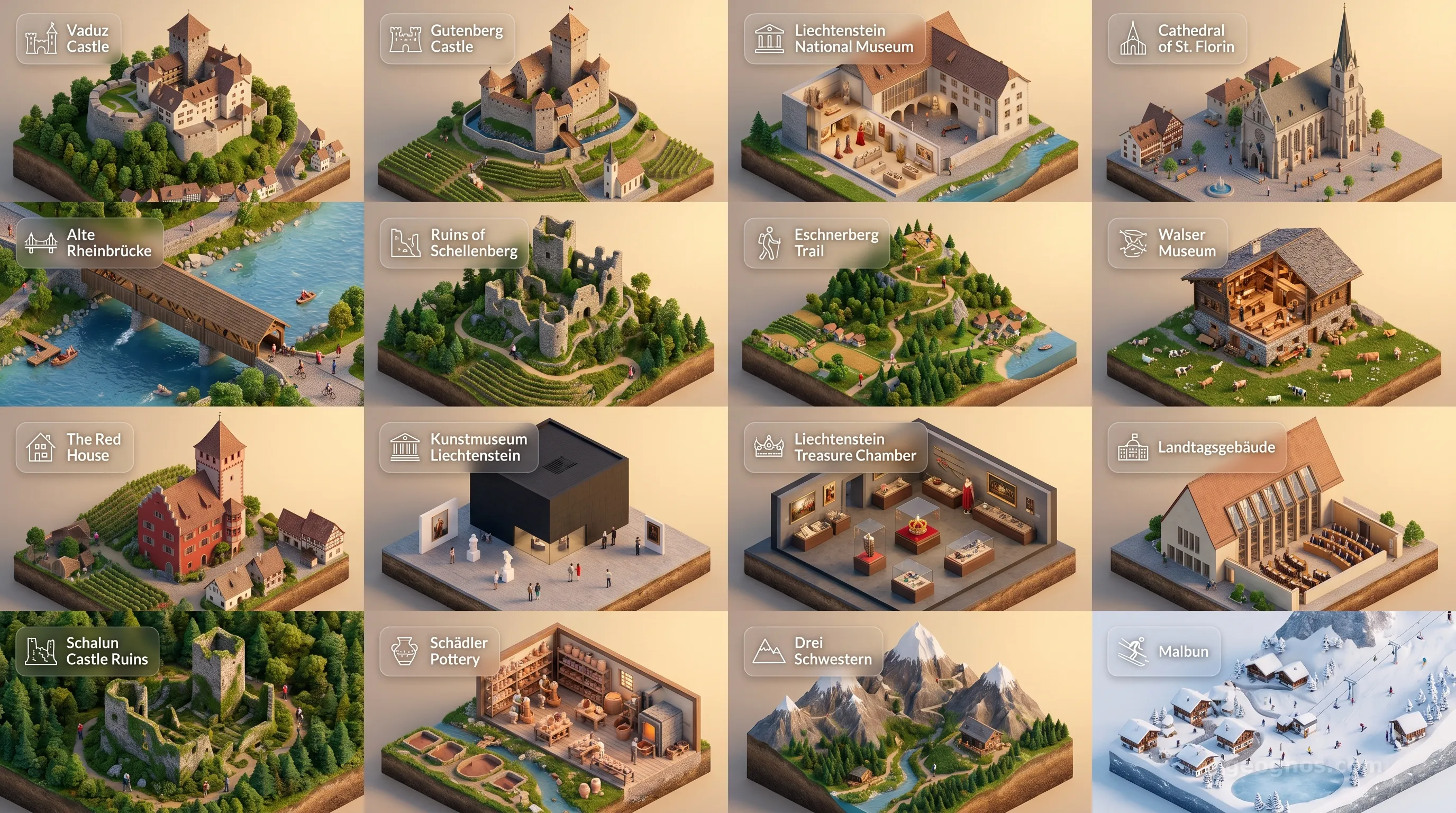
Beyond the peaks and valleys, the physical environment of Liechtenstein is punctuated by sites that tell a silent story of grandeur. From the medieval fortresses that peer down from rocky outcrops to the elegant architecture of contemporary state buildings, each point of interest serves as a coordinate in the broader cultural atlas. You can explore the architectural beauty and hidden natural wonders through our POI cinematic showcase, a carefully curated selection of the nation’s most profound landmarks and natural vistas that exemplify why Liechtenstein remains one of the most storied regions in the heart of Europe.
A Microcosm of Prosperity and Poise
What makes Liechtenstein fascinating to the educator and the observer alike is its refusal to conform to the scale of its neighbors. With a modest population that prizes privacy and collective achievement, the country has forged an economy of high precision. It is a nation of engineers, master craftspeople, and thinkers who thrive on the quality of their work rather than the scale of their output. It is a place that reminds the global observer that sovereign identity is not dependent on land mass or military might, but on the enduring strength of cultural values, educational excellence, and a deep seated respect for the environment that sustains life in such an extreme, elevated theater.
As you delve deeper into the resources provided within this GeoGnos atlas, keep in mind that Liechtenstein is best understood as a multi faceted diamond. Whether you are investigating the legislative framework, the nuanced energy policies that support its industry, or the demographic shifts that have made this alpine retreat a home to a cosmopolitan population, the common thread remains the same. It is a nation that looks inward to maintain its peace and outward to contribute to the global standard of prosperity. We hope your journey through this digital gateway provides you with the knowledge to appreciate why this tiny heart in the middle of Europe continues to beat with such remarkable clarity and strength.