The Little Red Dot: A Geography of Will and Wonder
In the grand theater of global geography, few stages are as small, yet as intensely vibrant, as Singapore. Tucked away at the southern tip of the Malay Peninsula, this island nation acts as a fulcrum upon which the trade routes of the world have pivoted for centuries. To the casual observer, Singapore is a city-state of shimmering glass skyscrapers and hyper-efficient infrastructure. To the scholar, it is a living laboratory of urban resilience, where a limited landmass has been transformed into a lush, green metropolis that manages to harmonize post-industrial intensity with tropical ecological stewardship.
The story of Singapore is not one defined by vast frontiers or expansive plains. Instead, it is a testament to the idea that a nation's identity is shaped by its choices and its strategic position at the confluence of the East and the West. From its humble origins as a humble fishing settlement known as Temasek to its emergence as a premier global hub, the trajectory of this nation is a compelling lesson in adaptation. For those seeking to deepen their understanding of how this sovereign state transitioned through colonial eras, economic transformation, and social engineering, we invite you to explore the comprehensive history of Singapore, which offers detailed insights into the forces that forged the nation we recognize today.
A Crossroad of Cultures and the Architecture of Modernity
Singapore’s soul is undeniably pluralistic. Walk through the fragrant corridors of Little India, the meticulously preserved heritage shophouses of Chinatown, or the grand colonial avenues of the Civic District, and you encounter the layers of a civilization that functions as a melting pot of Malay, Chinese, Indian, and Eurasian heritages. This synthesis of tradition is not merely ornamental; it is encoded in the everyday life of the people and the unique, hybrid nature of their daily customs, culinary masterpieces, and social ethos.
For students and travelers who wish to grasp the progression of this identity, learning through active discovery is essential. By engaging with the interactive chronology puzzle of Singapore's historical events, users can master the sequence of milestones that paved the way for modern independence. It is through understanding the 'when' and 'why' of these events that the resilience of the nation becomes truly apparent.
Visualizing the Evolution: From Jungle to Garden City
The visual identity of Singapore is one of the most remarkable transformations of the twentieth century. The country has meticulously crafted a "City in a Garden" model, where the stark vertical lines of concrete towers are softened by verdant vertical gardens and expansive parks that double as crucial ecological corridors. This synthesis of nature and design has turned the island into an unlikely bastion of biodiversity in a region often pressured by development.
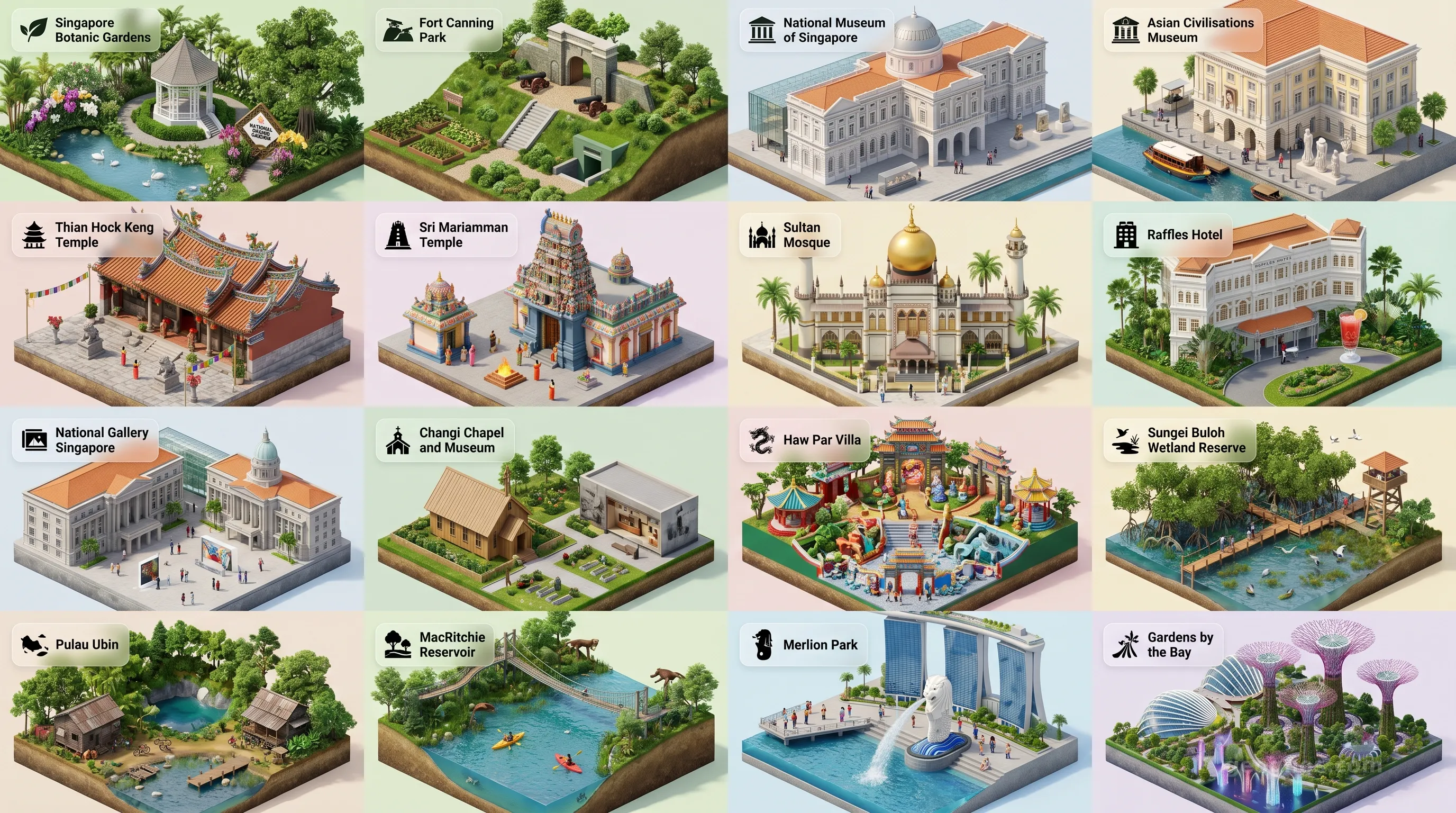
To fully appreciate how this geography has evolved, it is helpful to visualize the past through archival artistry. Through our cinematic history showcase, one can witness the vivid illustrations of significant historical shifts, watching as a humble port grows into a modern powerhouse. Complementing this, for the traveler preparing their itinerary or the student exploring the nation’s landmarks, our curated cinematic showcase of Singapore's iconic points of interest brings the skyline to life, from the futuristic Supertree Grove at Gardens by the Bay to the storied Raffles Landing Site.
The Geographical Mandate
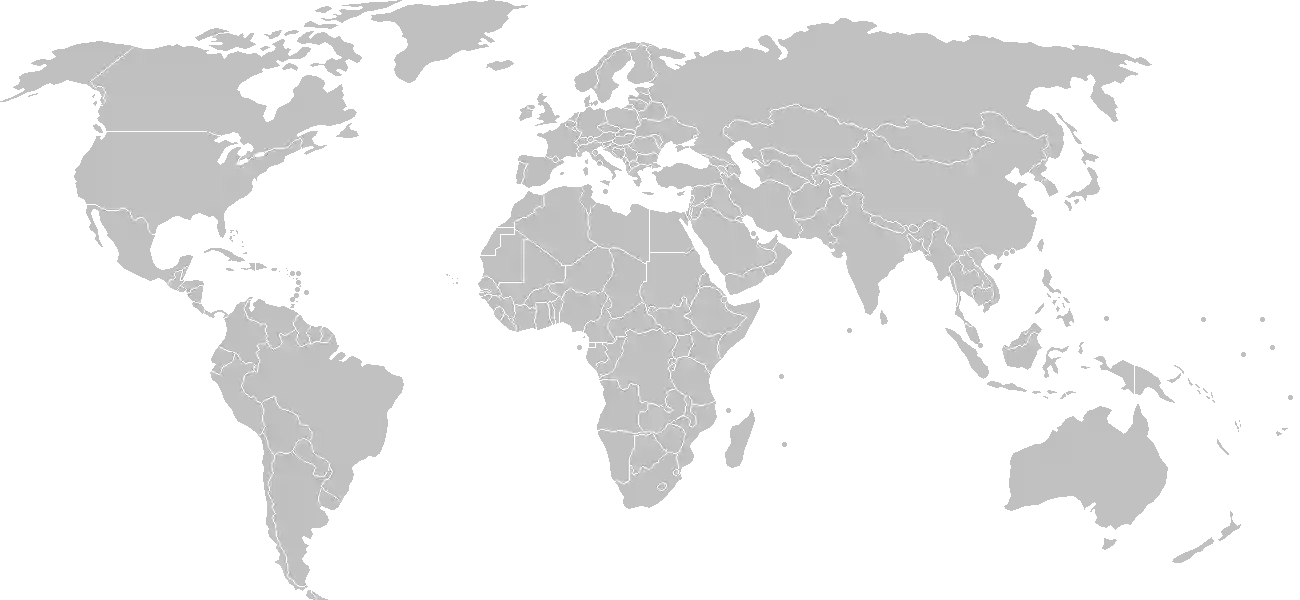
Geographically, Singapore is an archipelago of approximately 64 islands, though its main landmass carries the weight of its entire administrative and economic force. Its position along the Strait of Malacca is the defining factor of its existence. Historically, this narrow corridor provided safety for sea merchants navigating the waters between the Indian Ocean and the South China Sea. Today, this location remains a cornerstone of the world economy, facilitating the movement of thousands of ships and fueling global commerce.
Understanding Singapore requires a look at both the human-made environment and the inherent geographic constraints. With an area of just over 700 square kilometers, the nation has pushed boundaries—quite literally—by reclaiming land from the sea to sustain its growing population and infrastructure. It is a nation that does not merely occupy its geography; it dictates its own physical growth through rigorous planning and innovative environmental science.
An Educational Inquiry into the Nation State
As we examine Singapore, we invite you to look beyond the surface. We invite you to view the nation as a synthesis of disciplines: a mixture of geography, economics, and sociology. Whether you are an educator incorporating these resources into your curriculum, or a traveler preparing to touch down at one of the world's finest airports, Singapore serves as a bridge to a deeper understanding of the complexities of a modern, multi-ethnic society. Its trajectory suggests that with vision, a sense of place, and careful cultivation, a small island can indeed exert a vast influence on the world stage.
We encourage you to utilize the surrounding resources on this page—from the 3d diorama maps to the detailed environmental and economic indicators—to complete your portrait of this remarkable nation. By studying the intricate relationship between the Singaporean people and their uniquely managed land, you will find a blueprint for what a nation can achieve when it treats its limitations as catalysts for unparalleled innovation.