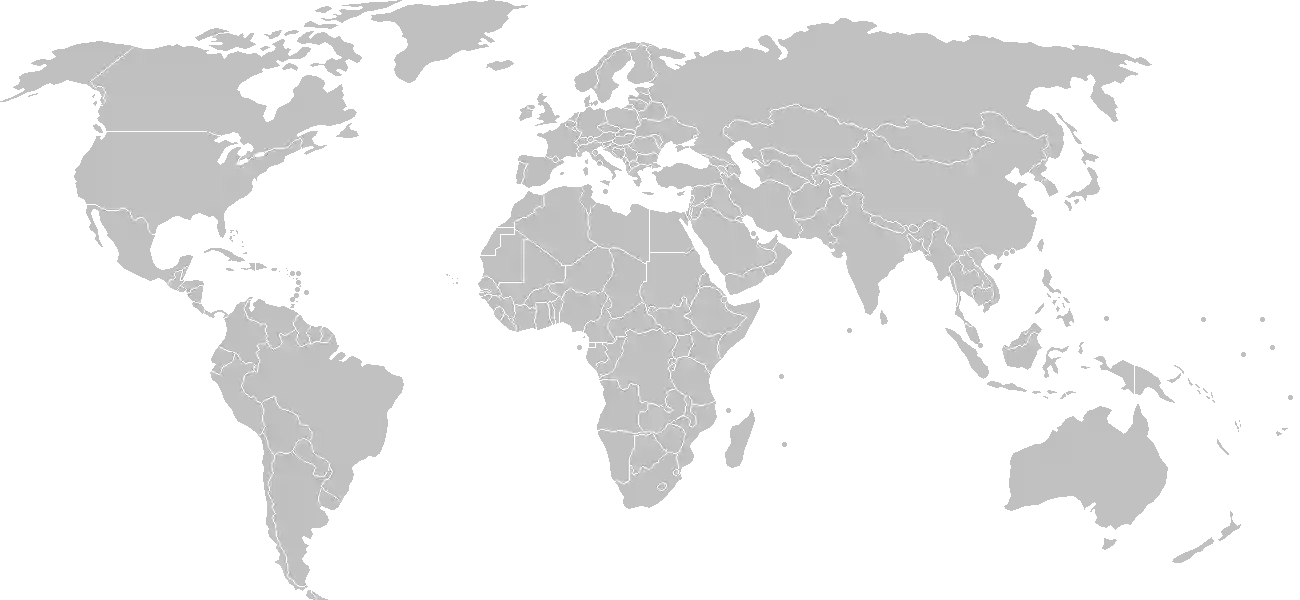
The Middle Kingdom: A Tapestry of Time and Terrain
To contemplate China is to stand at the intersection of deep time and rapid transformation. It is a nation that refuses to be summarized by a single definition, existing simultaneously as the world's oldest continuous civilization and a modern powerhouse of technological ambition. From the mist-shrouded limestone pinnacles of Guilin to the high-altitude solitude of the Tibetan Plateau, and from the neon-soaked harbor of Hong Kong to the ancient dust of the Silk Road, China is less a country and more a world unto itself. It is a land defined by its monumental geography, where the Yellow and Yangtze rivers have carved not just the landscape, but the very character of a people, nourishing one of humanity’s most enduring cultural legacies.
For those looking to understand the forces that shaped this vast territory, we invite you to explore the comprehensive history of China, where we break down the rise and fall of dynasties that once dictated the pulse of global trade. Within that journey, you can challenge your perspective by engaging with our interactive chronology challenge, a tool designed to help you piece together the grand timeline of emperors, scholars, and revolutionaries who built the foundation of the modern nation.
Geographic Imperatives and the Human Story
China's geography acts as a grand theater. To the west, the world’s most formidable mountain ranges—the Himalayas and the Kunlun—form a natural fortress that has historically insulated the interior from external influence. To the east, a long, serrated coastline meets the Pacific, opening the nation to the rhythms of maritime trade and global interaction. Between these extremes lies the vast fertile heartland, a mosaic of alluvial plains and rolling hills that has supported the most populous society on Earth for millennia.
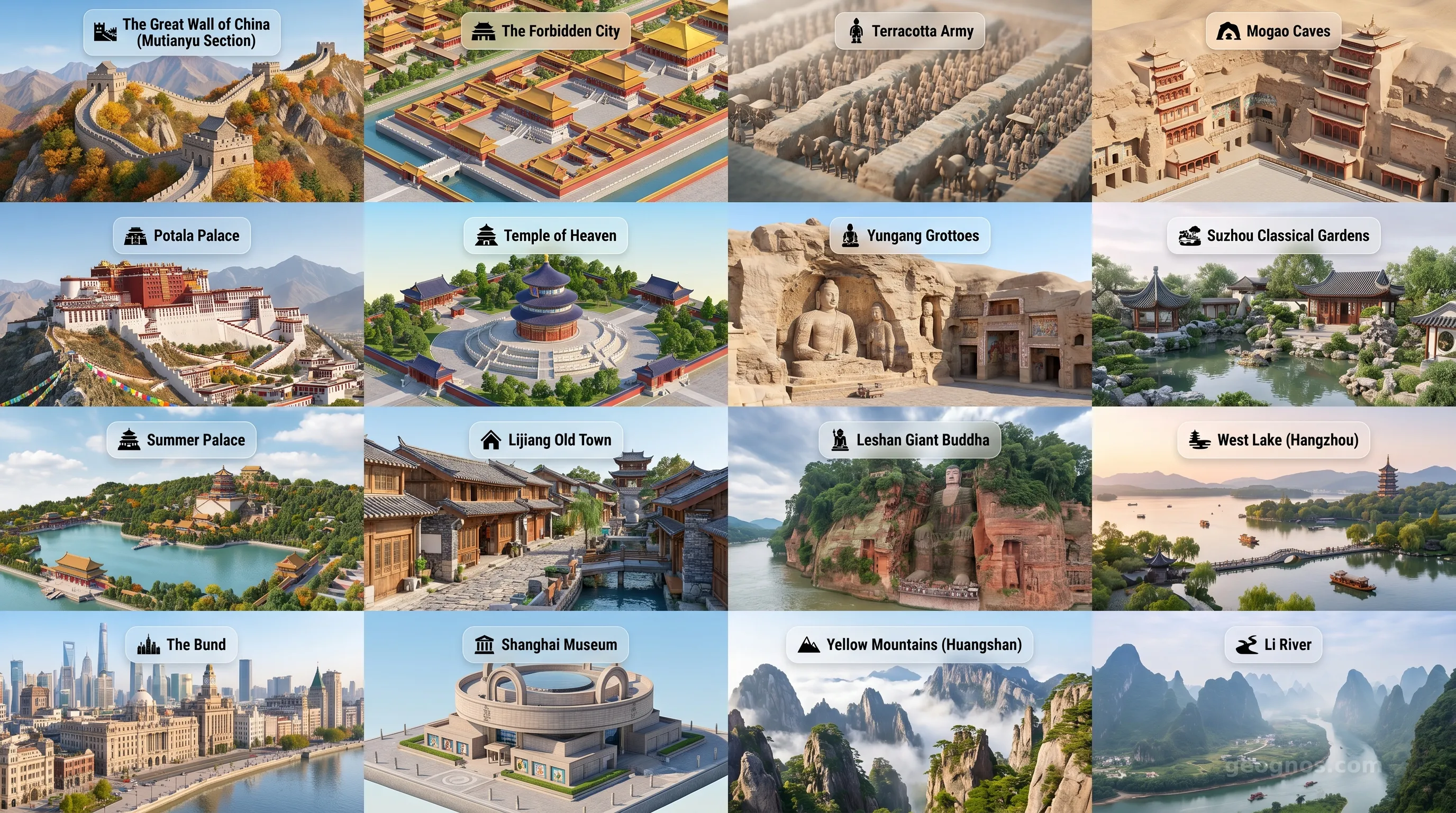
The relationship between the land and its stewards is best observed through the lens of human ingenuity. Architecture in China has always served as an anchor against the fleeting nature of time. Whether you are interested in the structural grace of imperial palaces or the rugged beauty of mountain temples, we recommend you view our cinematic showcase of Chinese landmarks. This collection offers a visual odyssey through the architectural wonders that define the horizon of this monumental landscape.
A Legacy Preserved and Projected
The "soul" of China resides in its synthesis of the ancient and the avant-garde. While travelers are often drawn to the well-trodden paths of Beijing or Shanghai, the true beauty of the country is found in its continuity. Philosophical traditions like Confucianism, Daoism, and Buddhism are not merely relics housed in dusty archives; they are living frameworks that inform the way people organize their lives, their families, and their communities today. This seamless integration of the traditional into the technological is what makes China a unique case study in global development.
To truly grasp the gravity and visual weight of the historical moments that defined this transition, we encourage you to watch our curated cinematic history player. These vivid illustrations bring to life the transformative eras of the past, offering a bridge for students and educators to connect with the pivotal events that shifted the tides of history across the steppes, the rice paddies, and the imperial court.
The Global Crossroads
Today, China acts as an anchor for the global economy and a beacon for those fascinated by the intersection of traditional values and future-oriented innovation. It is a country that rewards the curious observer. Whether you are a student tracing the routes of ancient merchants, a scholar analyzing complex sociopolitical evolution, or a traveler eager to stand beneath the grandeur of the Great Wall, China offers a landscape of endless discovery. Its environment, which spans from tropical rainforests in the south to arid deserts in the north, forces a sense of wonder upon all who traverse its borders.
As you navigate our dedicated pages for China, keep in mind that you are looking at more than just borders on a map. You are examining a civilization that has weathered countless storms to emerge as a bridge between the deep wisdom of the past and the limitless possibilities of the future. The story of China is a reminder that human history is not a static object but a living, breathing process, constantly being written by the hands of those who call this vast territory home.