The Silence of the North: Finland’s Resonance
To understand Finland is to understand the language of light and silence. It is a nation carved from the granite of the Baltic Shield and polished by the retreat of the last great glaciers. Unlike many of its neighbors, Finland exists in a space of quiet resilience, a land where the human spirit is not shaped by the noise of conquest, but by an intimate, almost meditative conversation with the forest, the water, and the shifting seasons. Here, geography is not merely a backdrop for history; it is the primary architect of a culture that values interiority, craftsmanship, and a profound respect for the natural world.
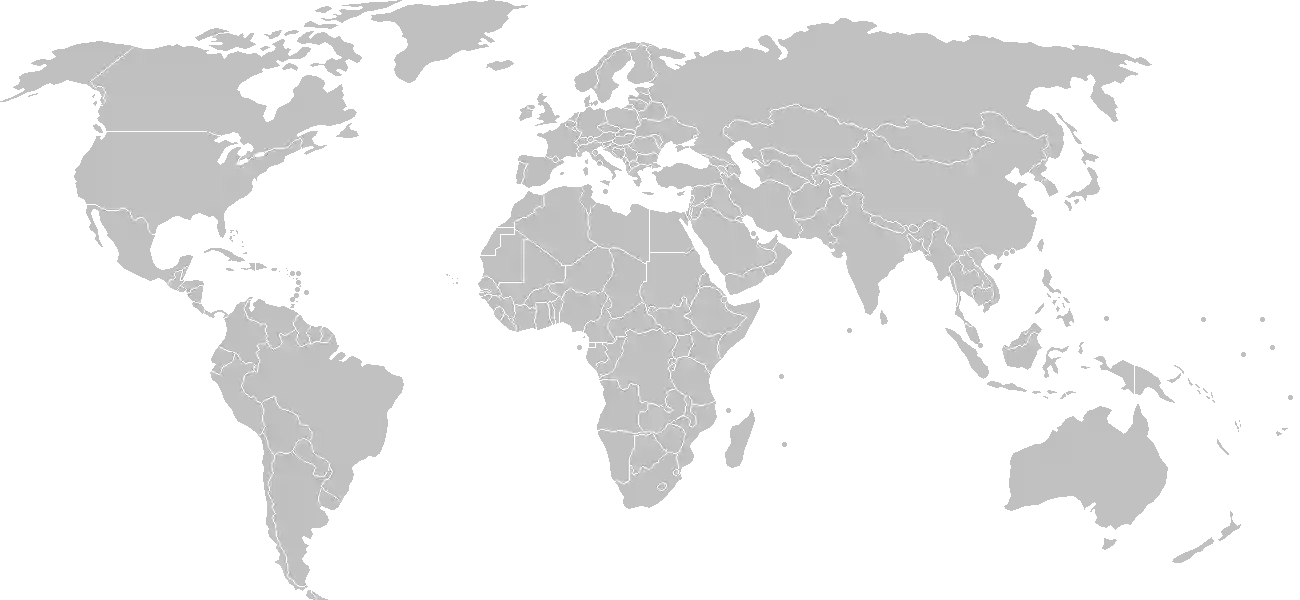
Finland occupies a unique geographic position as a bridge between the Nordic world and the wider expanse of the Eurasian landmass. With more than 180,000 lakes, the country functions less like a solid mass of land and more like a fluid mosaic, where boundaries between earth and water are constantly in flux. This landscape has fostered a populace that is remarkably introspective and deeply attuned to the rhythms of the seasons, from the fleeting, intense summers of the midnight sun to the profound, transformative dark of the midwinter kaamos.
An Arch of Resilience: Mapping the Finnish Journey
The Finnish story is one of forging an identity in the margins, eventually moving from the periphery to the center of global innovation. For centuries, the region was caught in the gravitational pull of its more powerful neighbors, Sweden and Russia. Yet, throughout these eras, the distinct identity of the Finnish people remained largely undisturbed, protected by the dense, isolating terrain and a persistent vernacular tradition. To truly comprehend the foundational chapters of this nation, we invite you to explore the history of Finland, where you can trace the development from prehistoric settlements to the establishment of an independent, modern state. Understanding this progression is essential for any scholar or traveler looking to decipher why Finland functions with such unique social harmony today.
For those who prefer a more gamified approach to understanding this narrative, you might test your grasp of the timeline by engaging with our history puzzle. By rearranging critical milestones in their proper order, you earn historical badges, proving your mastery over the events that defined the nation. If your learning style is more visual and contemplative, our history cinematic showcase provides an evocative carousel of illustrations, allowing the critical turning points of the Finnish timeline to unfold in vivid detail. This collection acts as a vital tool for K12 students and curious minds alike to visualize the abstract movements of centuries of sovereignty and struggle.
The Architecture of the Landscape: A Living Cultural Expression
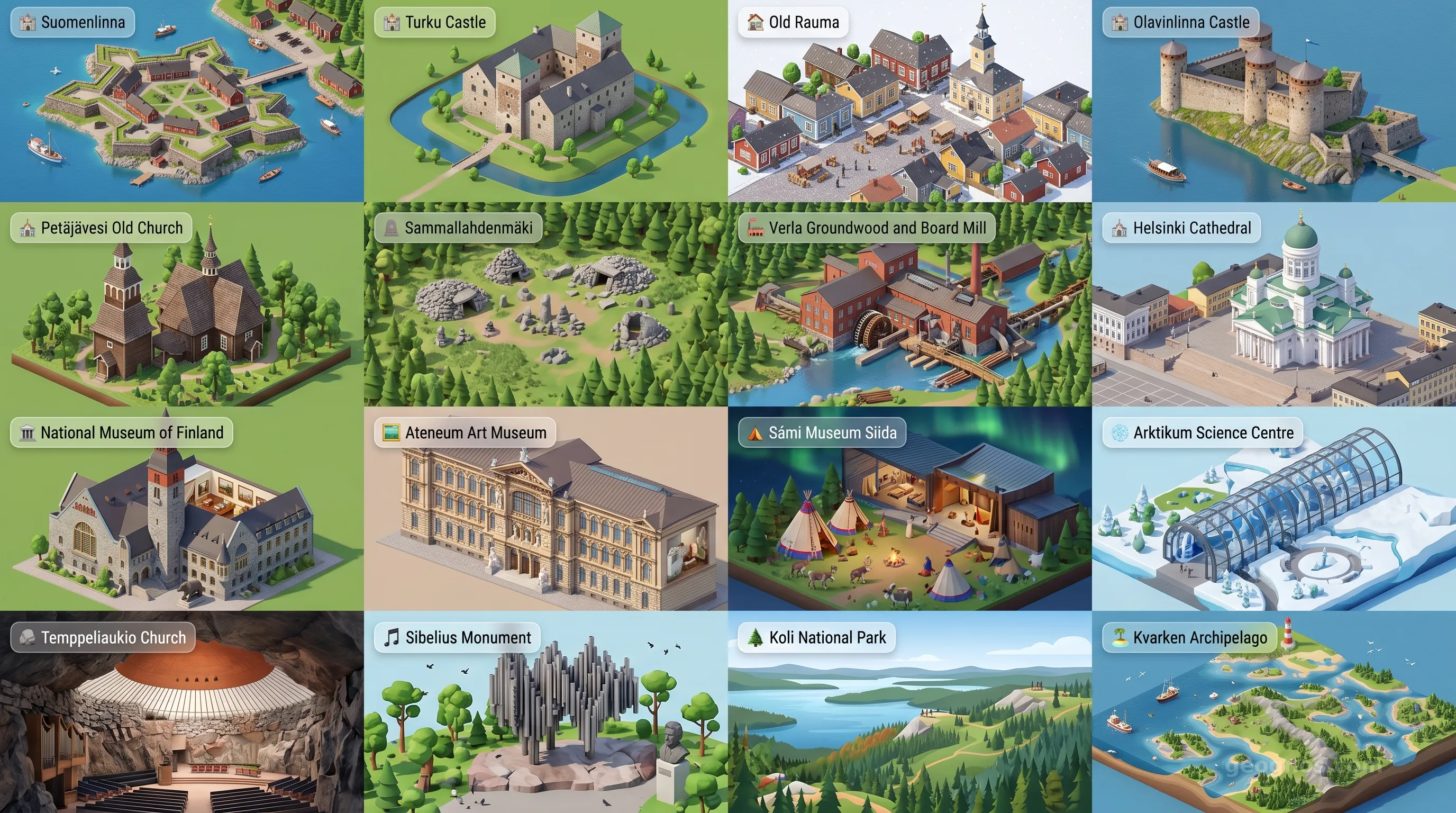
The Finnish soul is best expressed through its relationship with its points of interest. Whether it is the austere, modernist elegance of Helsinki’s Lutheran Cathedral or the untouched, haunting beauty of the Urho Kekkonen National Park, each site speaks to the broader values of the Finnish people: minimalism, utility, and deep ecology. A building in Finland is rarely a mere object of aesthetic vanity. It is, instead, a functional extension of the landscape, meant to frame the beauty of the surrounding trees or the reflective surface of a nearby lake. To begin your journey through these architectural and natural treasures, we invite you to view our POI cinematic showcase. These visuals will provide a curated look at the locations that define the national heritage, ranging from the remote log cabins of Lapland to the design-forward urban centers of the south.
Beyond the Forests: The Global Integration
As the twenty-first century advances, Finland serves as an archetype for how a nation can leverage its geographic realities for sustainable success. While history shaped the Finnish disposition for quiet resilience, the contemporary era has allowed them to turn that introspection into a formidable engine of technological, educational, and environmental progress. The "Finland model" is not just about policy; it is about the integration of democratic transparency with a profound, almost primal trust in the community.
This is a country that thrives on the tension between the modern and the ancient. In Helsinki, one might find a high-tech startup operating within a centuries-old warehouse, or a local design festival that centers on traditional wooden craftsmanship. This balance ensures that as Finland evolves, it does not shed its skin. It remains a northern beacon, holding firmly to its environmental stewardship while engaging with the challenges of a complex, interconnected globe. As we delve further into the structural details of this land—the data of its demographics, the efficiency of its governance, and the sophistication of its energy systems—we must keep in mind the underlying truth: Finland is, above all, a triumph of human adaptability within the vast, beautiful, and unforgiving constraints of the north.
Whether you are a student preparing for a deeper study of Nordic geography or a traveler hoping to find clarity in the silence of the Finnish pines, this guide serves as your comprehensive atlas. Welcome to Finland, a nation where the knowledge of the earth and the memory of the past find harmony in the modern moment.