The Paradox of the Heartland: Understanding the German Soul
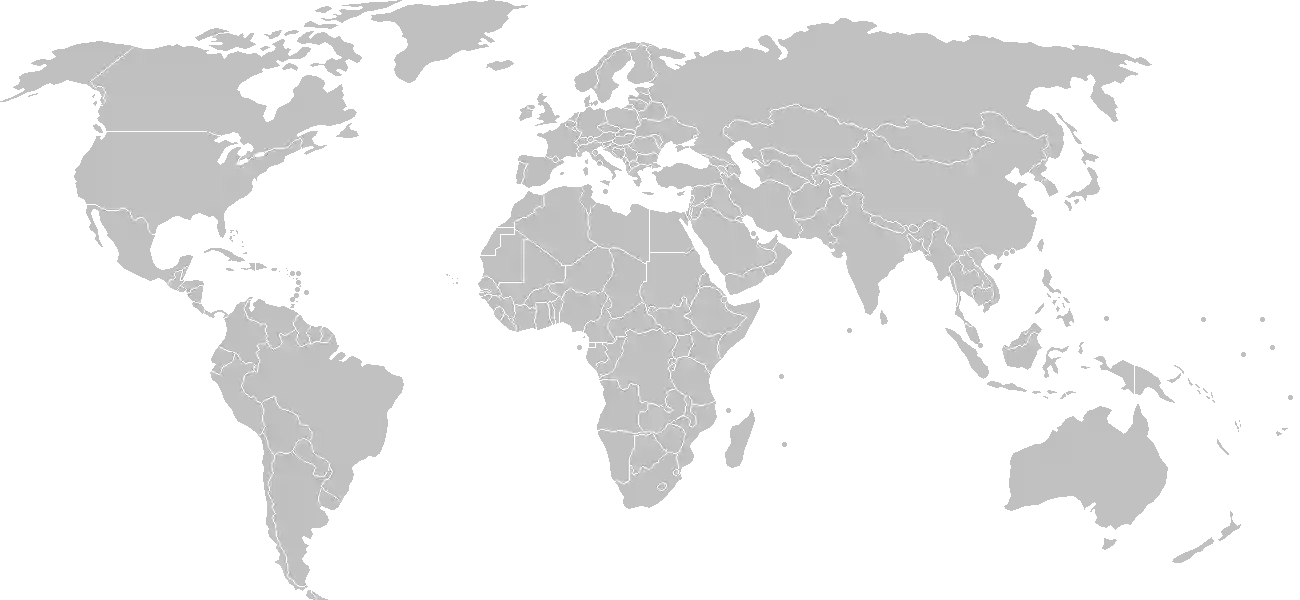
Germany exists not merely as a country on a map, but as the pulsating, cerebral center of the European continent. It is a land defined by a fascinating duality. To the north, the nation bows to the brisk, saline breezes of the North and Baltic Seas, where sandy dunes and seafaring traditions have cultivated an outlook turned toward the horizon. To the south, the landscape rises dramatically into the jagged, snow-dusted majesty of the Bavarian Alps, where ancient forests whisper myths of knights and kings. Between these two poles lies a vast tapestry of rolling hills, river-carved valleys, and modern metropolises that act as the global engines of commerce and culture.
To grasp the essence of Germany, one must first appreciate how this geography has demanded resilience and constant reinvention from its inhabitants. The Rhine, the Danube, and the Elbe serve as the country’s circulatory system, carrying with them the accumulated wisdom of millennia. If you wish to look deeper into the foundations of this society, you are invited to explore the history of Germany, a comprehensive guide that traces the nation’s evolution from tribal roots and the Holy Roman Empire through the tumultuous modern era, complete with illustrated pedagogical resources and cartographic insights.
A Convergence of Thought, Industry, and Heritage
The soul of Germany is frequently found in its synthesis of contradictions. It is a nation that treasures the quiet tradition of the 'Gemütlichkeit' (coziness and social belonging) found in a village inn, yet it simultaneously leads the world in high-speed rail, advanced mechanical engineering, and digital innovation. It is a landscape where cathedrals and castles sit in the shadows of glass skyscrapers. This balance is not coincidental. It is the result of a cultural philosophy that values precision as highly as passion, and structure as highly as imagination.
For those looking to understand the timeline of how these layers of history have stacked upon one another, the experience can be both academic and playful. We encourage students and travelers alike to challenge their own knowledge and test your grasp of time by completing the interactive history puzzle, where you can arrange landmark events in their proper order to earn recognition badges. It is an engaging way to internalize the complex sequence of cultural movements and political transformations that shaped the heart of Europe.
From the Romantic Rhine to the Glass Halls of Berlin
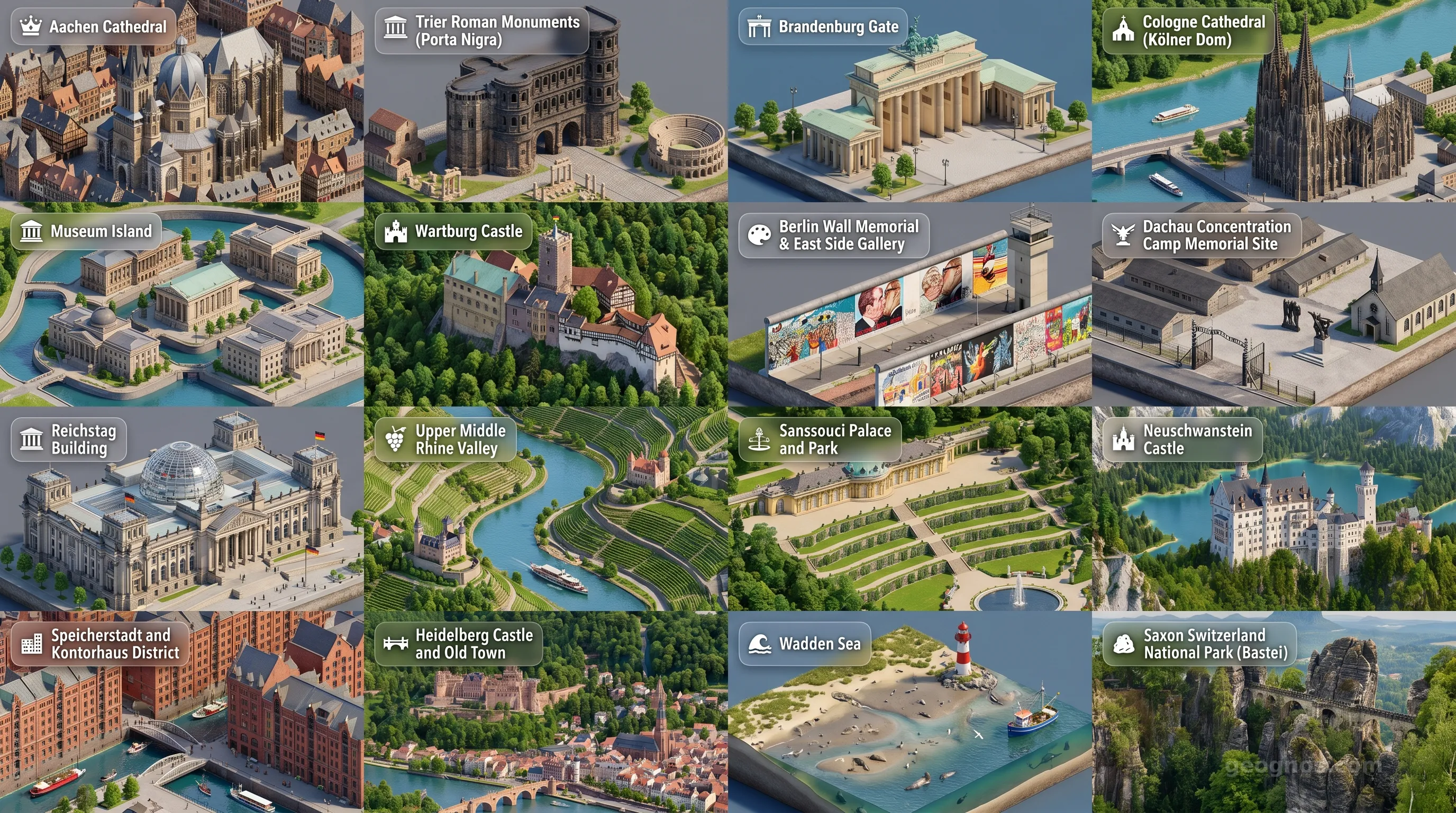
Visualizing Germany requires one to step outside of text and into the sensory richness of its topography and architecture. The country is home to a staggering array of wonders. From the storybook Neuschwanstein Castle, clinging to its rocky perch as if pulled directly from a Grimm fairy tale, to the minimalist majesty of the Brandenburg Gate, Germany offers a visual narrative that spans over a thousand years. By engaging with our history cinematic showcase, you can witness these epochal moments unfolding through curated illustrations and historical commentary that provide a deep, moving perspective on the challenges and triumphs of the German people.
Beyond the monuments, the country’s modern spirit is a reflection of its landscape. The dark, dense beauty of the Black Forest is preserved with the same fervor that German cities invest in their cutting-edge parks and urban gardens. The nation has emerged as a global leader in environmental stewardship, viewing its ancient geography as a living heritage to be protected for future generations. If you are preparing for a journey, or simply want to experience the sheer beauty of the diverse German terrain from home, you can discover the highlights in our point of interest cinematic showcase, which guides you through the serene mountain trails of the Alps to the lively, bustling plazas of the Hanseatic ports.
The Architecture of the Future
As an educator or a student on GeoGnos, you will find that Germany serves as a masterclass in continuity. It is a country that never forgets its past while simultaneously dedicating its entire being to the horizon. It has become a crossroads for global ideas, where thinkers from across the globe meet to discuss the challenges of the twenty-first century. Whether it is the sustainable energy systems being piloted in the north or the intellectual rigor of its legendary universities, Germany is a testament to the idea that culture is not stagnant.
The nation thrives on a sense of community, reflected in the way its people embrace their federal states, each boasting a distinct dialect, cuisine, and local history that creates a colorful mosaic under the banner of a single republic. By diving into the subsequent chapters of our atlas, covering everything from the unique climate and the complex government structure to the vast economic power of its industry, you will gain a profound appreciation for why Germany remains a cornerstone of the modern world. It is our hope that this portrait inspires you to look closer, dream bigger, and continue your lifelong journey of geographic discovery.