The Fortress of Paradox
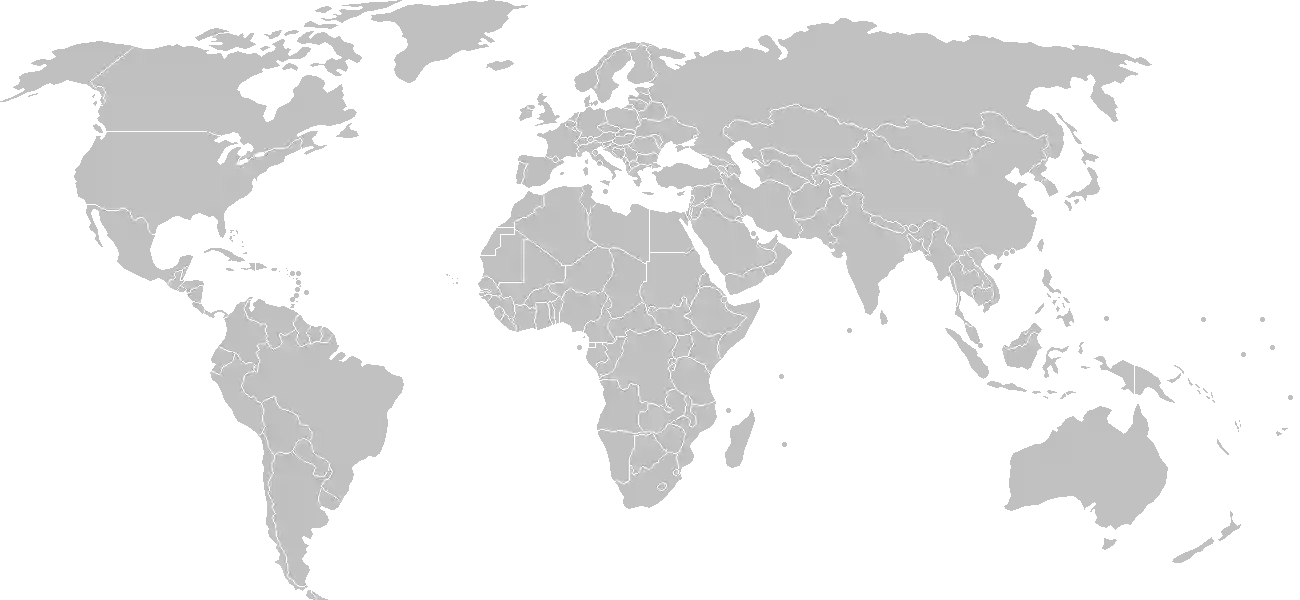
To view Luxembourg on a map is to observe a geographic heartbeat, a small but mighty landlocked pulse situated between the industrial giants of Europe. Yet, to travel through it is to realize that its stature is not measured in square kilometers, but in the layers of sediment that define its spirit. Often mistaken for a mere city-state, the Grand Duchy of Luxembourg is a sovereign mosaic of emerald valleys, jagged sandstone ridges, and high-tech urbanity. It is a nation that refuses to be defined by its size, instead positioning itself as the very adhesive that binds the European experience together.
The defining soul of Luxembourg is found in the transition between the rolling, rugged north—the Oesling, which serves as a gateway to the Ardennes—and the fertile, sun-drenched south known as the Gutland. This dual identity informs every aspect of the national character, from its linguistic fluidity to its diplomatic pragmatism. For the curious mind, to explore the history of Luxembourg is to trace the evolution of a borderland that transformed from a coveted strategic fortress into a sanctuary of international cooperation.
A Heritage Sculpted in Stone and Strategy
The landscape of Luxembourg is inseparable from its resilience. The city itself, perched dramatically atop sheer limestone cliffs carved by the Alzette and Pétrusse rivers, remains a testament to the engineering brilliance of the Middle Ages. These fortifications, once nicknamed the Gibraltar of the North, dictated the rise and fall of dynasties. To truly grasp the gravity of how these stone bastions influenced the regional balance of power, one must engage with the past visually and intellectually. You may begin your immersive journey through the timeline of this nation by engaging with our history puzzle, a challenging chronology that tasks you with piecing together the events that forged this resilient Grand Duchy.
While the physical structures offer a haunting beauty, the narrative behind them is equally vibrant. Those seeking a deeper visual connection to the individuals and moments that transformed this tiny territory into a European cornerstone can visit our history cinematic showcase. Here, the tapestry of the centuries unfolds, moving from the medieval nobility of the House of Luxembourg to its pivotal role as a founding member of the European Union. These illustrations provide a scholarly, yet accessible, perspective on how a small people maintained their distinct identity amidst the swirling winds of continental change.
The Living Intersection of Cultures
One of the most remarkable features of Luxembourg is its refusal to subscribe to a single cultural narrative. At any given moment in the streets of the capital, one might hear a melodic blend of Lëtzebuergesch, French, and German, woven together with the modern languages of a globalized workforce. This is a country where the medieval castle wall stands within sight of the glass-and-steel headquarters of international financial institutions. It is a harmonious contradiction that reflects the country's unique position as a cultural crossroads.
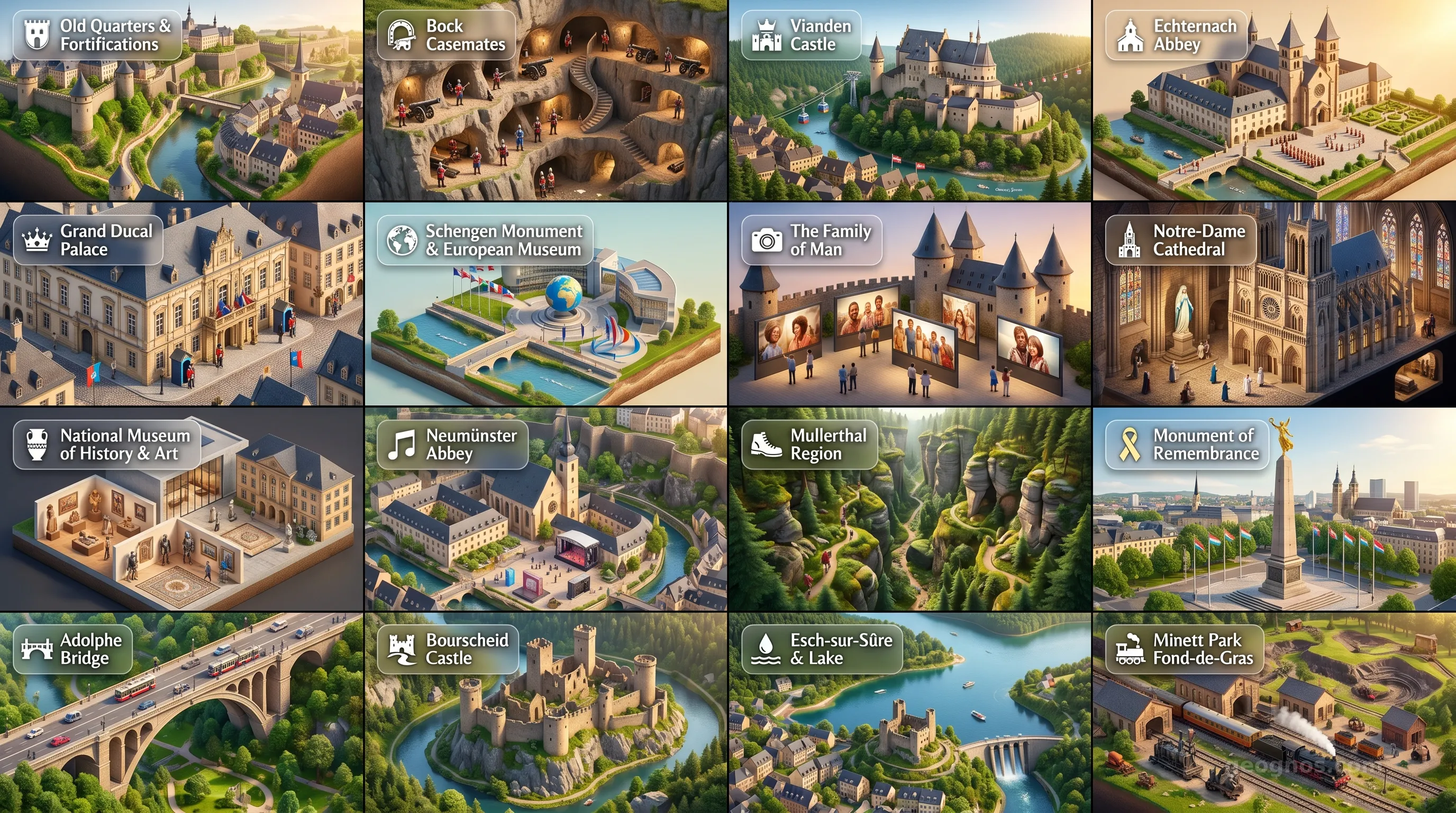
Travelers are often struck by the verdant accessibility of the nation. Beyond the high-density diplomacy of the European quarter lie forests, fairy-tale villages, and vineyards clinging to the slopes of the Moselle valley. For those planning a journey to discover these hidden gems, we recommend viewing our POI cinematic showcase. This carousel displays the top points of interest, capturing the contrast between the subterranean casemates and the serene, sweeping vistas of the Müllerthal region, often referred to as Little Switzerland.
Geographic Destiny: More Than a Crossroads
Luxembourg does not merely exist between its neighbors; it functions as a deliberate bridge. By leveraging its geographic reality, the nation transitioned from an industrial coal and steel powerhouse in the twentieth century into a leading hub for finance and space research in the twenty-first. This adaptation was not forced by necessity, but fostered by a national temperament that prizes education, stability, and consensus.
As we explore the topography and human spirit of the Grand Duchy throughout the following sections of this portal, we encourage our readers—from the K12 classroom to the lecture halls of universities—to look past the numbers. Look instead at the ways a small nation fosters peace, encourages innovation, and honors its deep-rooted medieval heritage. Whether you are analyzing its intricate border dynamics or its dedication to maintaining an incredible density of ancient woodland, remember that Luxembourg remains a singular success story, proving that a country’s significance is best defined by its contributions to the wider world.