The Hexagonal Heart of Europe
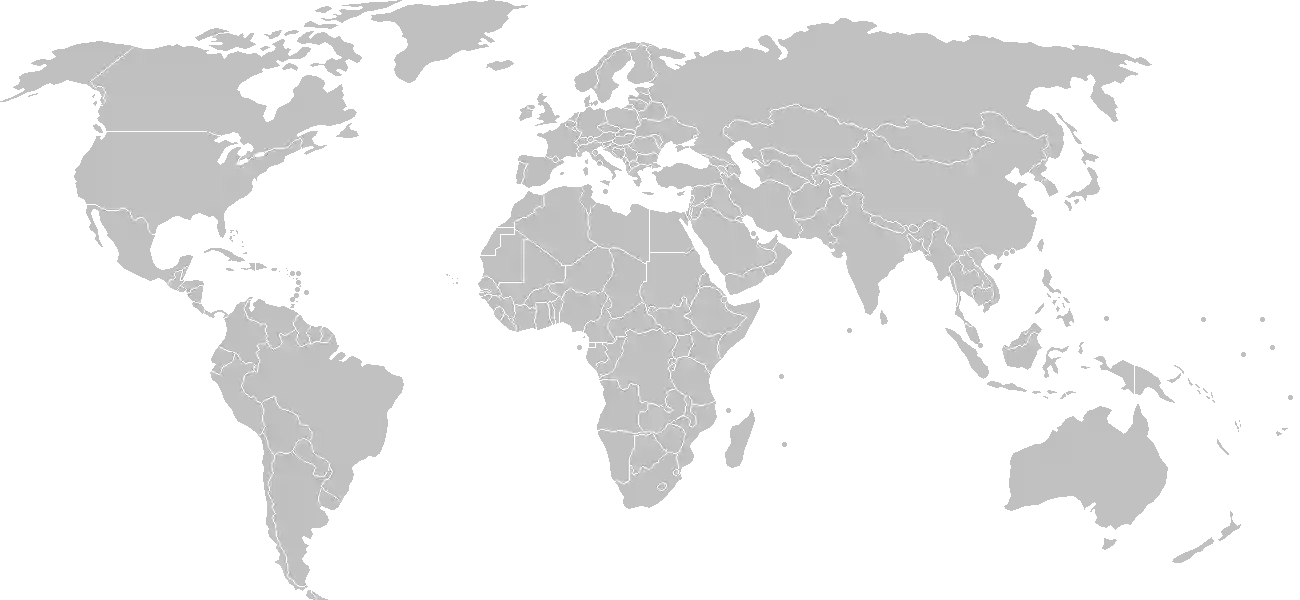
France is not merely a country in the conventional sense, it is an idea rendered in stone, landscape, and philosophy. Geographically, it is often referred to as "L'Hexagone," a shape defined by the ancient pressures of tectonic activity and the patient carving of great rivers. This geometric perfection is mirrored in the nation's culture, where a profound respect for classical order meets an irrepressible passion for innovation. From the sun-drenched lavender fields of Provence to the jagged, snow-dusted peaks of the Alps and the rolling vineyard tapestries of Bordeaux, France serves as a geographical crossroads where the temperate influences of the Atlantic, the Mediterranean, and the continental interior collide.
To stand within the borders of France is to occupy a space that has fundamentally shaped the trajectory of modern civilization. The nation acts as a bridge between the northern Germanic influences and the Mediterranean soul of Europe. It is this unique convergence that has fostered a sense of aesthetic mastery, a commitment to gastronomy, and a rigorous pursuit of intellectual liberty that remains unparalleled. Whether you are navigating the medieval corridors of its ancient fortified towns or gazing upon the glass-and-steel achievements of its modern cities, the country presents a seamless narrative of continuity and change.
A Tapestry of Epochs
The story of this land is vast, extending far beyond the gilded walls of Versailles or the storming of the Bastille. It is a chronicle of Roman foundations, feudal ambition, intellectual enlightenment, and modern diplomacy. To fully grasp how these distinct threads wove the fabric of the modern state, we invite you to explore the history of France, where the major turning points are detailed through expert analysis and rich archival perspectives. Understanding this timeline is not just an academic exercise, but a window into the values of a nation that treasures its heritage while looking ever forward.
For students and enthusiasts who wish to test their mastery of the past, the challenge of periodization is always enlightening. We have developed an interactive environment where you can test your knowledge and sequence the pivotal moments that defined the Gallic legacy; test your skills with the History Puzzle to see if you can correctly order these monumental occurrences to earn your badge of expertise. For those who prefer a more sensory immersion, our History Cinematic Showcase offers a compelling, frame-by-frame visual journey through the moments that altered the course of human development.
The Landscape of Experience
While history provides the bones of the French experience, the modern geography provides its soul. The nation is a land of extremes and balance. The western coast, facing the unpredictable and temperamental Atlantic, offers rugged cliffs and a maritime tradition defined by navigation and sea-faring resilience. Contrast this with the southern edge, where the Mediterranean climate cradles a coastline of iconic blue waters and ancient trade ports that have linked France to Africa and the Middle East for millennia. The interior plains, enriched by the great river systems of the Loire, the Seine, the Rhône, and the Garonne, have served as the fertile foundation for the agrarian traditions that still inform the national identity today.
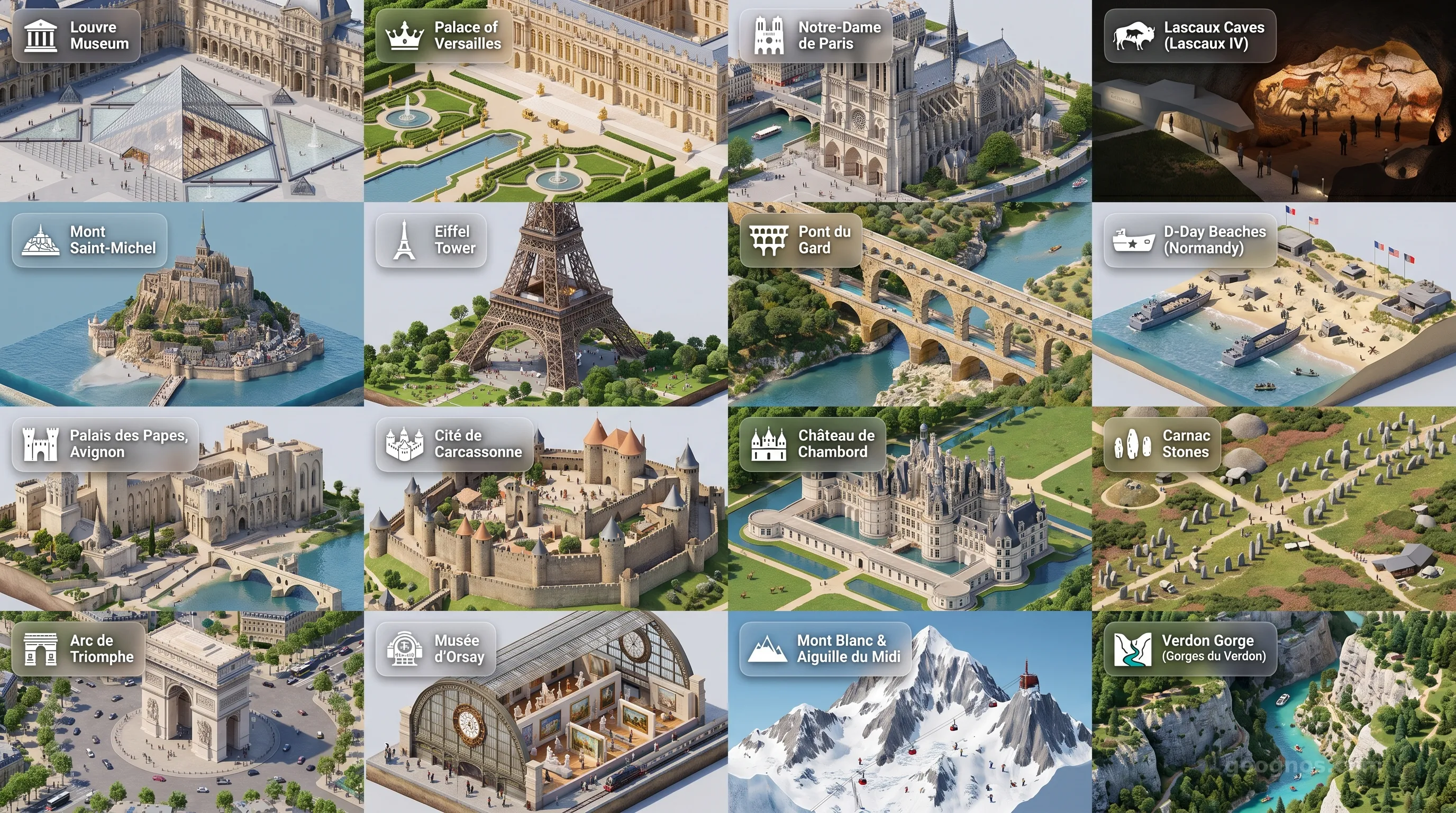
One cannot truly understand the majesty of the French landscape without observing its most striking physical features. From the architectural marvels embedded in the urban centers to the untouched natural beauty of the French Pyrenees and the volcanic regions of the Auvergne, the diversity of the terrain is a source of immense pride. To gain a deeper appreciation for the sights that draw millions to this land annually, visit our POI Cinematic Showcase. This collection presents the essential landmarks of France, from the quiet majesty of hidden abbeys to the architectural dominance of its greatest civic landmarks, all curated to highlight why this nation remains the world's most enduring cultural destination.
The Architecture of French Culture
France functions as a cultural crucible where the past is constantly being re-evaluated in the present. This is evidenced in the French approach to public policy, design, and language, all of which prioritize a specific form of elegance known as the "Art de Vivre," or the art of living. This philosophy posits that even the most mundane daily task, such as the selection of bread or the organization of a municipal square, should be conducted with care, precision, and an eye toward communal beauty. This cultural orientation has turned France into a global curator of human achievement, protecting its own legacy through world-class institutions while remaining a hub for contemporary international creativity.
The strength of this nation also lies in its ability to integrate a variety of regional identities under one republican canopy. The distinct regional languages, culinary specialties, and architectural styles of regions like Brittany, Occitanie, and Alsace provide a varied richness that prevents the nation from feeling monolithic. Instead, France feels like a collection of distinct worlds connected by a shared appreciation for nuance and the intellect. It is this diversity that allows France to remain dynamic, welcoming both the traditionalist who wishes to walk the battlements of a medieval chateau and the innovator seeking the cutting edge of contemporary technology, high fashion, or culinary fusion.
As you delve into the technical dimensions of this site, including the economic data, government structure, and environmental reports, keep in mind that these numbers represent the administrative efforts to manage a country defined by passion. The French nation persists as a masterclass in how a state can honor its profound historical narrative while actively participating in the shifting global paradigm. Whether your journey is academic, pedagogical, or purely personal, France promises an experience that is as educational as it is transformative.