The Undiscovered Vineyard of Europe
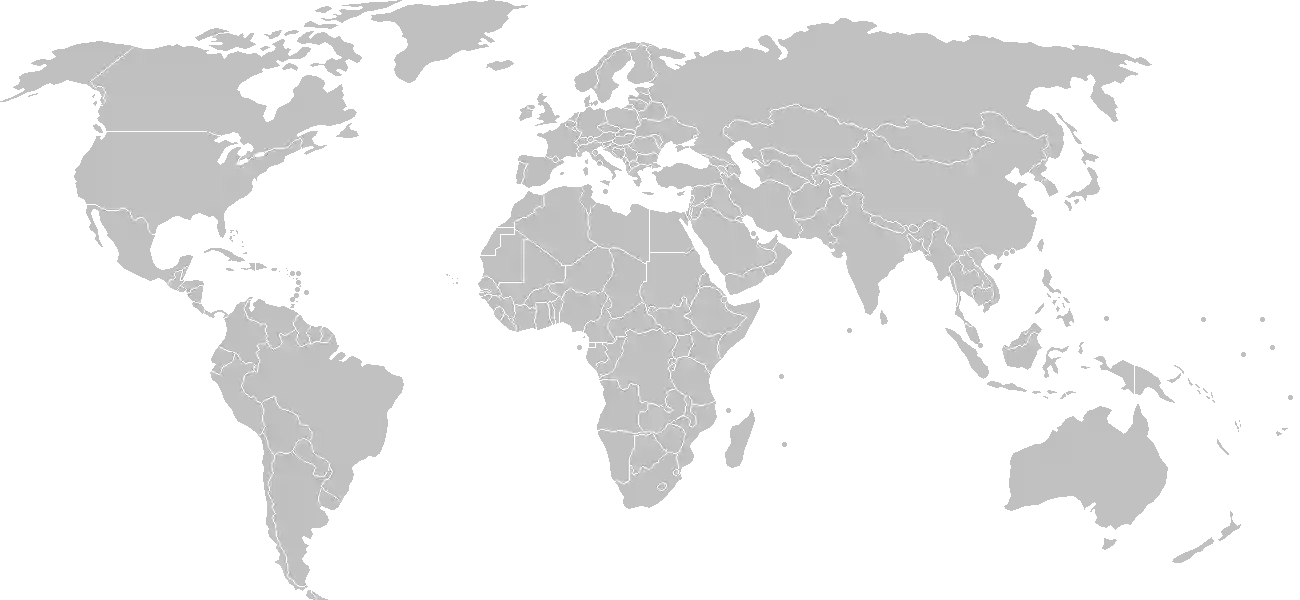
Tucked away between the sweeping curves of the Dniester and the Prut rivers, Moldova remains one of the final frontiers of European travel, a place where time slows to the rhythm of the harvest and the landscape itself seems written in poetry. To speak of Moldova is to speak of a land shaped by the gentle contours of rolling steppe, verdant orchards, and a viticultural heritage that stretches back into the dawn of civilization. While the grand cathedrals of Western Europe and the bustling boulevards of global capitals often dominate the travel narrative, Moldova offers something entirely different. It is an invitation to witness a nation that is intimately connected to the soil, a place where hospitality is not merely a custom but a foundational pillar of life.
For the traveler, student, or historian, this land presents a rich tapestry of cultural intersections. Its soul is woven from the threads of Eastern Latinity, blended with the resilient spirits of the diverse populations that have called this crossroads home for centuries. Here, the sunrise catches the morning mist over the Orheiul Vechi cliff monasteries, providing a glimpse into a history that feels both ancient and remarkably preserved. To truly grasp how this small nation navigated the complex tides of the centuries, one should explore the history of Moldova to understand the pivotal events and migrations that defined its current character.
The Architecture of the Soil
Moldova’s identity is undeniably linked to the earth. Geographically, it is a land of gentle slopes, wide horizons, and rich black soil that has sustained generations of farmers. There is a palpable peace found in the countryside, where sunflower fields transform the rolling hills into a sea of gold during the peak of summer. It is a nation of subtle, quiet beauty, where the lack of rugged mountains allows for a sweeping clarity of sky that has captivated painters and poets alike. This unique geographical positioning at the gateway to the Balkans and the steppes of Eurasia has necessitated a robust resilience among its people, leading to a culture that values community and grounded, meaningful connections.
The history of this nation is a compelling sequence of endurance and transformation. To sharpen your understanding of these defining moments, you may find it helpful to test your knowledge through our interactive chronological challenge, where you can arrange significant historical turning points to earn badges and deepen your grasp of Moldovan heritage. Through these challenges, the abstract timeline of the region becomes a concrete story of persistence.
A Symphony of Sight and Tradition
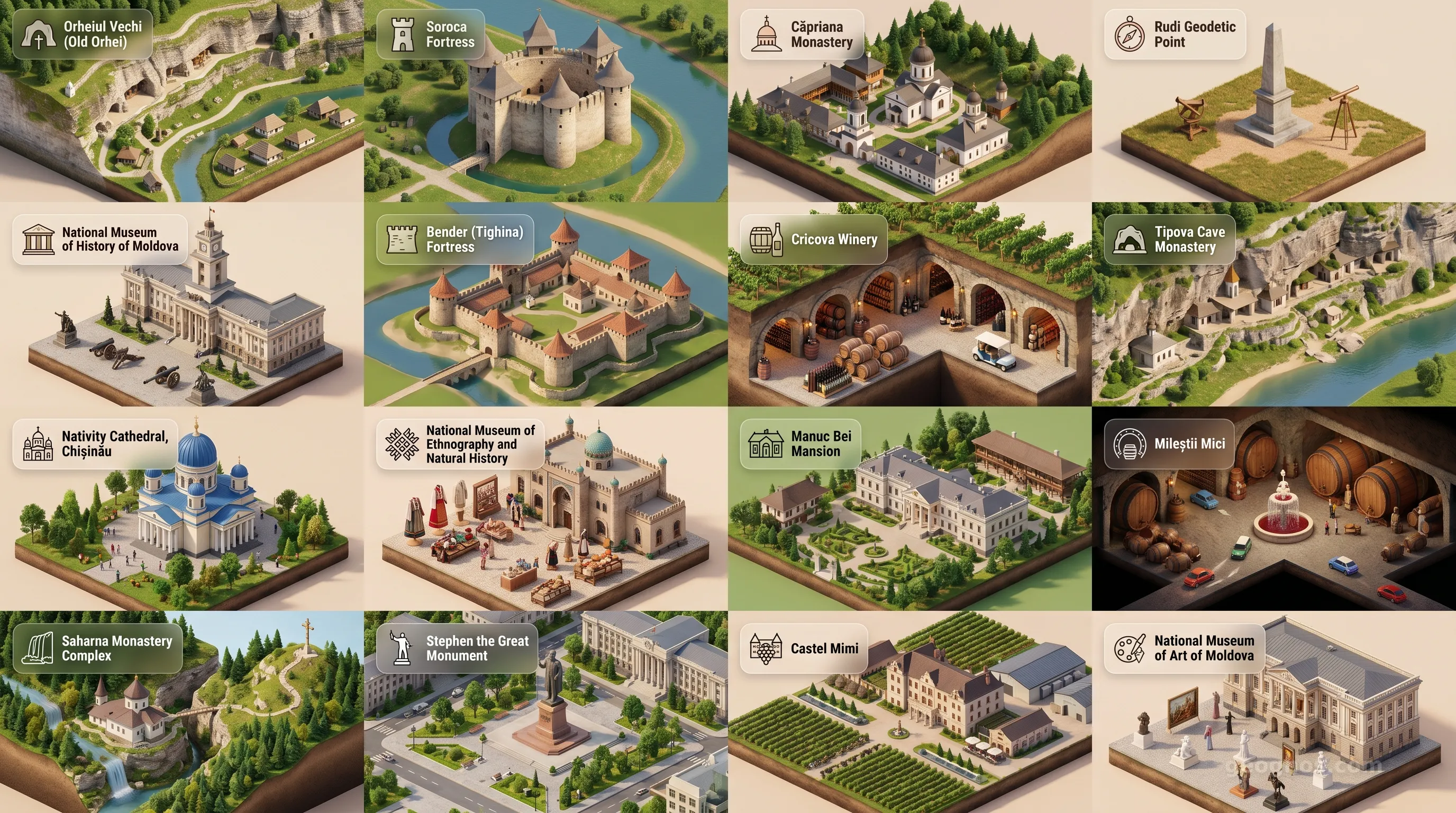
Beyond the agricultural heart of the nation lies an architectural and cultural heritage that often surprises the newcomer. From the sprawling underground wine cellars of Cricova, which stretch out like a subterranean city, to the rock-hewn chapels that reflect a deep-rooted spiritual devotion, Moldova houses wonders that are as unique as they are breathtaking. The aesthetic of the country is one of organic evolution; nothing feels manufactured. It is a place where rural villages maintain folk traditions, artisanal crafts, and seasonal festivals that have survived the rapid modernization seen in other parts of the world.
For those who wish to experience the aesthetic majesty of these sites without leaving their desks, we have curated a visual history showcase. This collection serves as a vibrant cinematic bridge, connecting you to the epic narratives of the past through high-quality illustrations and detailed storytelling. Whether you are a student preparing for a classroom presentation or a traveler building a bucket list, these visuals serve as a vital window into the aesthetic evolution of the Moldovan identity.
The Living Heritage
The "soul" of Moldova is perhaps best found in its human encounters. The warmth of the Moldovan welcome is a legend known to those who have wandered off the beaten path. It is a nation of musicians, viticulturists, and dreamers who view the stranger as an honored guest. When exploring the landscape, one finds that the landmarks—be they historical monuments or natural monuments—are tied together by a shared pride in the land. Our team has compiled an immersive gallery of top landmarks and attractions to ensure that you do not miss the hidden gems that define the modern face of the country.
As we delve deeper into the layers of Moldova in the following sections, we will examine the nuances of its environment, the intricacies of its governance, and the energy that powers this charming European landscape. We hope that through this overview, you will come to view Moldova not just as a dot on the atlas, but as a living, breathing history lesson, a verdant sanctuary of culture that rewards the curious mind with unparalleled authenticity and grace.