The Archipelago of Life: An Introduction to Palau
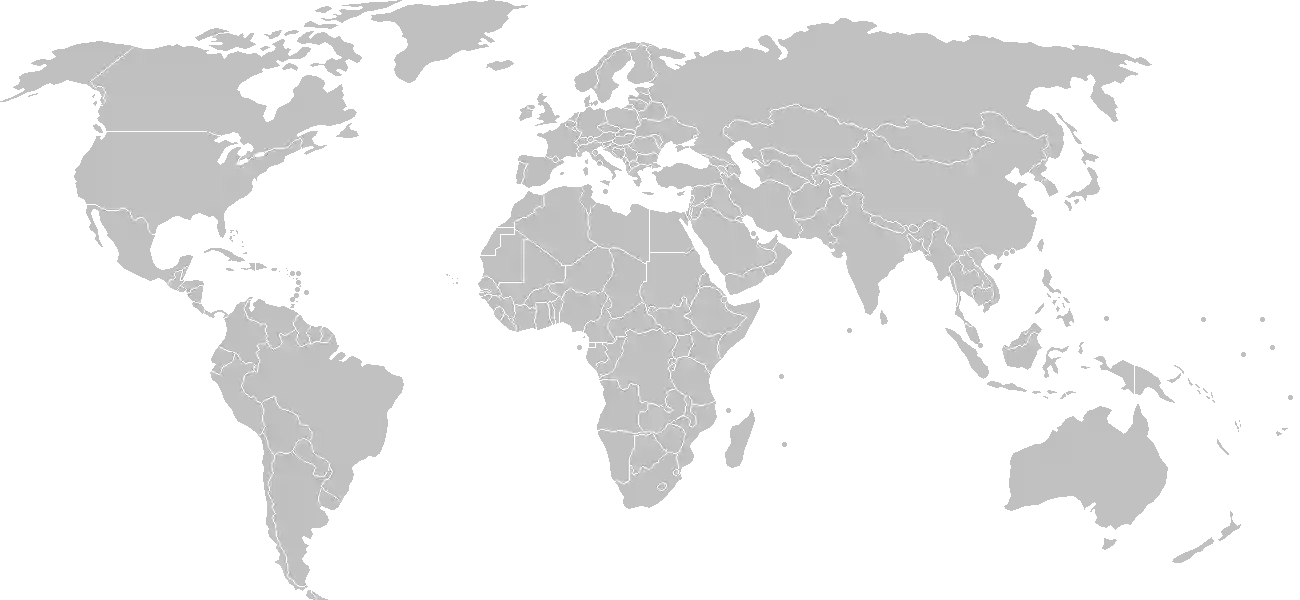
To speak of Palau is to speak of the edge of the world, a celestial scatter of verdant islands emerging from the deep, cobalt indigo of the western Pacific. Located roughly 800 kilometers east of the Philippines, this nation is more than a mere collection of tropical coordinates. It is a biological fortress, a laboratory of evolution where the relationship between ocean and land has been etched into the limestone of the Rock Islands and the spirit of its resilient people. Here, the boundary between the firmament and the sea is blurred, creating a theater of biodiversity that demands both awe and protection.
The geography of Palau serves as the primary architect of its identity. As part of the Caroline Islands, this nation sits atop a volcanic ridge that has been decorated over millennia by the industrious work of coral polyps. This has resulted in a topographical duality: the rugged, forested volcanic islands and the "Chelbacheb," or the famous Rock Islands, which mushroom out of the turquoise lagoons like emerald sentinels. For students and travelers alike, this landscape provides a visceral understanding of geology in motion, where time is measured not in centuries, but in the slow accretion of reefs and the inexorable shaping of limestone by tide and salt.
A Crucible of Pacific Heritage
While the physical landscape captivates, the soul of Palau is forged in its human history. This is a story of seafaring brilliance, survival, and a sophisticated societal structure that predates Western contact by over three millennia. The Palauan people have long navigated the complex social currents of clan hierarchy and maternal lineage, weaving a cultural tapestry that remains profoundly vibrant today. To understand how these ancient systems adapted through the colonial eras of Spain, Germany, Japan, and the United States, you can explore the comprehensive history of Palau, which serves as a definitive guide to the nation's emergence as an independent Republic.
The preservation of this cultural continuity is a mission we take seriously at GeoGnos. History is not merely a sequence of dates; it is the heartbeat of a community. We encourage our younger learners to engage with our interactive resources to visualize how these events align. You may test your grasp of the Palauan timeline by visiting our history chronology puzzle. It is designed to challenge your perception of the past while rewarding your efforts with archival recognition. For those who prefer a more sensory immersion into the stories of old, our history cinematic showcase provides a gallery of high-definition illustrations that narrate the arrival of voyagers, the impact of global trade, and the eventual transition to modern governance.
The Guardians of the Blue Frontier
Palau occupies a unique role in the global discourse regarding environmental stewardship. Long before "sustainability" became a modern imperative, the Palauan people practiced "bul," a traditional method of resource management that involves placing a moratorium on harvesting specific marine or terrestrial species to allow ecosystems to replenish. This indigenous wisdom has propelled the nation to the forefront of international ocean conservation. With the establishment of the Palau National Marine Sanctuary, which protects eighty percent of the nation's exclusive economic zone, the country stands as a lighthouse for global environmental policy.
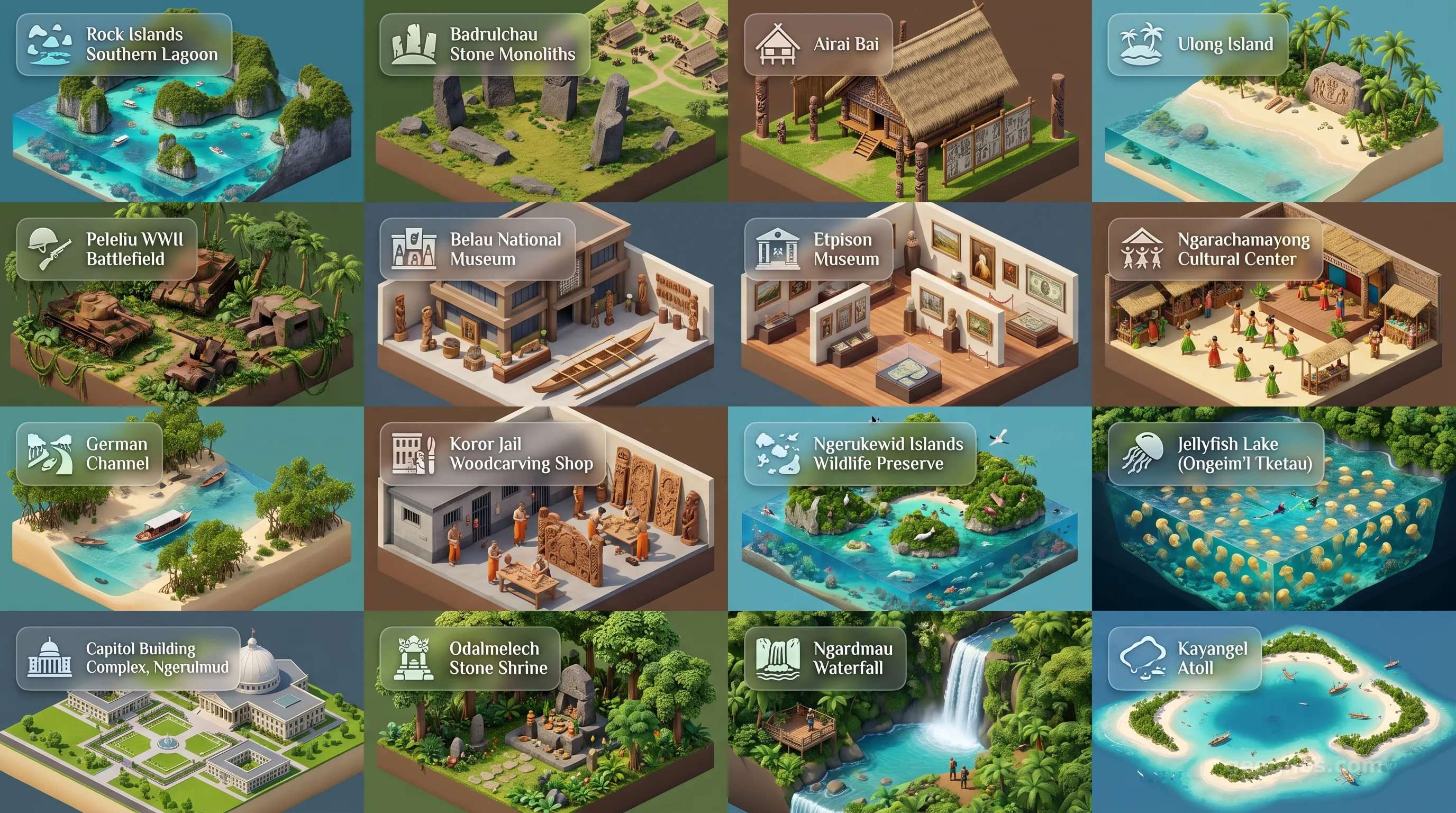
Exploring the majesty of these islands is an education in biological wealth. From the iridescent stingless jellyfish in the famed Jellyfish Lake to the shark sanctuaries that attract researchers and divers from every continent, Palau represents a living, breathing map of natural marvels. To truly grasp the scope of this biological richness, we invite you to browse through our curated POI cinematic showcase. This visual journey captures the raw, untouched beauty of the archipelago, guiding you through the secret coves and historical landmarks that define the Palauan experience.
An Enduring Legacy of Balance
As you delve deeper into the resources provided on this page, you will find that Palau is not just a destination for leisure, but a classroom for the planet. It teaches us about the fragility of island states in a changing climate and the strength of a small population committed to oceanic health. Whether you are investigating the legislative structures of the government or mapping the volcanic origins of the major islands, remember that each fact is a thread in a much larger narrative.
We invite you to examine the environmental statistics and geographical data that follow as evidence of a country that treats its existence as a privilege rather than a commodity. By studying Palau, you are not merely learning about an island nation in the Pacific; you are observing a paradigm shift in how human societies interact with the earth. Palau stands as a testament to the belief that even the smallest geographical footprint can have a monumental impact on the global consciousness, provided that those who walk upon it act with wisdom and profound respect for the sea.