The Subcontinental Synthesis: India as a Universe in Itself
To contemplate India is to engage with the infinite. It is not merely a country, but a grand, living civilization that functions as a world unto itself. Framed by the insurmountable ramparts of the Himalayas to the north and embraced by the warmth of the Indian Ocean to the south, India represents a unique geographical synthesis. It is a land where geography has acted as both a filter and a furnace, drawing in disparate influences over millennia, melting them down, and reshaping them into a culture of immense complexity, vibrancy, and resilience. For the scholar, the student, and the seeker, India offers a tapestry that is as intellectually demanding as it is sensory-rich.
As you begin your journey through these pages, we invite you to anchor your understanding in the foundational narratives that built this nation. To truly grasp the scope of human ingenuity that blossomed between the Indus and the Ganges, we suggest you explore the history of India. This comprehensive resource serves as your entry point into the shifting empires, trade networks, and social transformations that define the Indian story. Within this archive, you will find rich illustrative guides that catalog the major turning points in the subcontinental experience, curated specifically to aid teachers and curious learners in navigating the sheer scale of the Indian timeline.
Geography as Destiny: The Architect of Culture
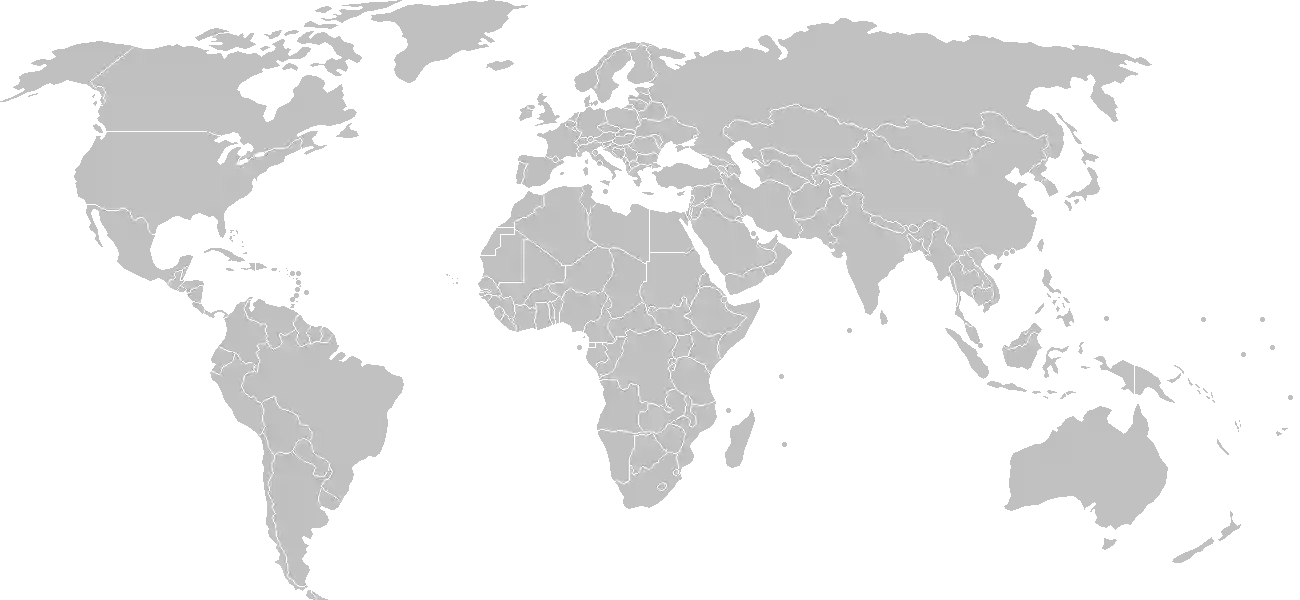
India’s physical landscape is a study in extreme contrasts. The northern frontiers comprise the world’s most significant high-altitude barrier, which for generations provided a degree of climatic and political insulation, allowing distinct indigenous traditions to mature. South of these peaks lie the great alluvial plains, the fertile cradles of early human settlement fed by the life-giving waters of the Indus, the Ganges, and the Brahmaputra rivers. Moving toward the peninsula, the land rises into the Deccan Plateau, a rugged interior enclosed by the Eastern and Western Ghats. These varying zones have dictated the settlement patterns, the dietary habits, and the agricultural innovations that sustain over 1.4 billion people.
Understanding these landscapes is essential to appreciating why India feels like a collage of smaller nations stitched into one cohesive, federal union. From the desert frontiers of the west to the verdant rainforests of the northeast, the environment dictates the daily rhythm of life. We encourage students to test their burgeoning knowledge of this timeline by participating in our interactive history puzzle, a challenging game that rewards mastery of chronological events with exclusive badges, helping you cement your grasp on how regional geographic shifts influenced power dynamics over the centuries.
A Mosaic of Tradition and Modernity
While the geography defines the setting, the people define the energy. India is home to a staggering array of languages, belief systems, and social customs. It is a place where high-tech hubs in Bangalore thrive in proximity to ancient temple cities that have hosted pilgrims for over two millennia. This juxtaposition is the secret to India’s endurance. It does not replace the old with the new; instead, it layers the modern on top of the ancient. Walking through a bustling market in Delhi or Kolkata is a temporal experience, where the medieval and the contemporary intersect on every corner.
To help you visualize this layered existence, we have assembled a history cinematic showcase. This visual narrative takes you through a journey of the most defining historical milestones, bringing illustrations of architectural evolution and social reform to life. It is an immersive look at how a civilization holds onto its roots while reaching toward the future. By engaging with these visual aids, you gain a perspective that maps and tables alone cannot convey.
The Aesthetic of Exploration
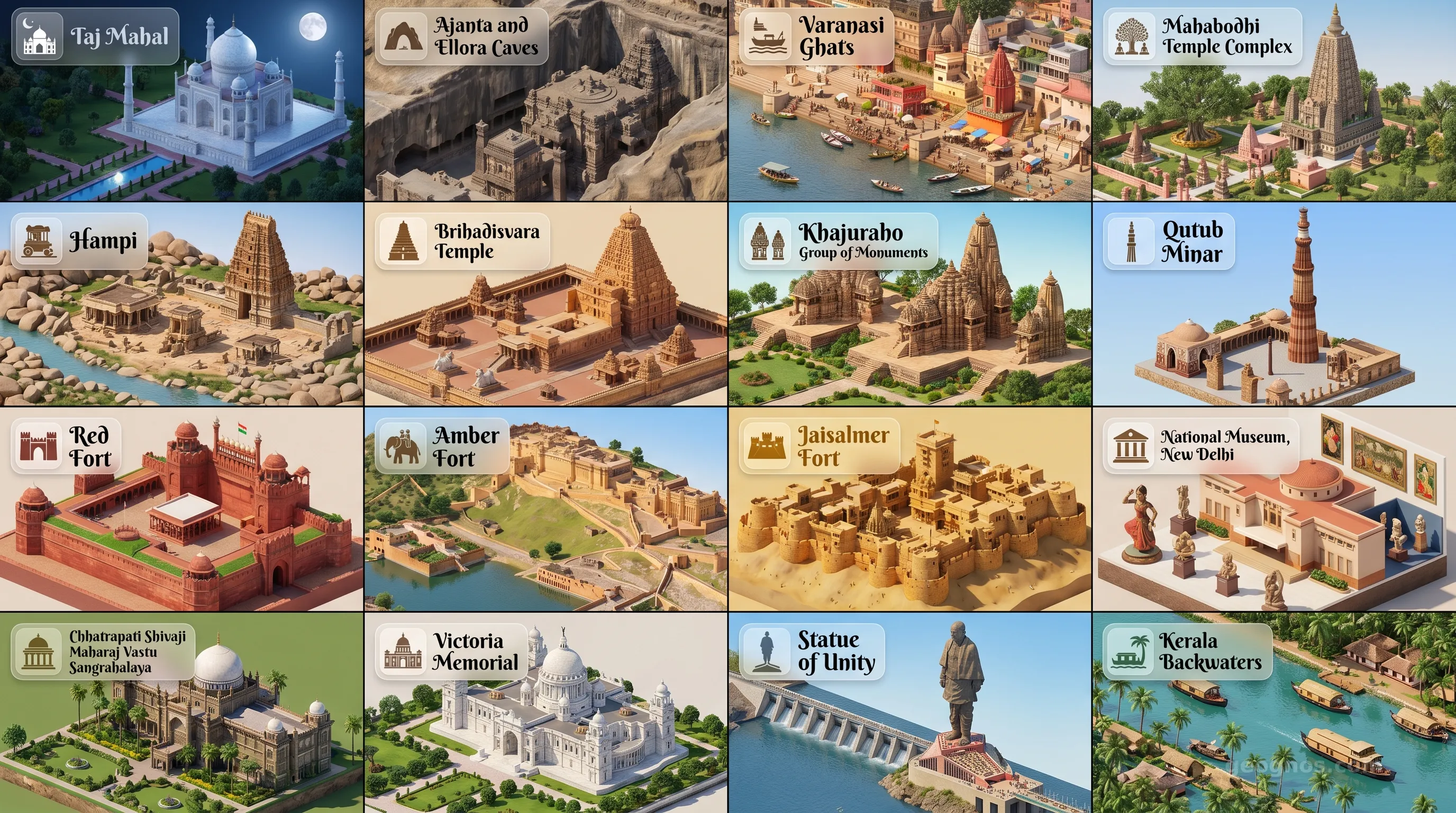
For those looking toward a physical pilgrimage to this vast land, India serves as the ultimate classroom. The diversity of the architectural heritage is unmatched, ranging from the delicate marble of the Taj Mahal to the rugged, rock-cut sanctuaries of Ajanta and Ellora. The richness of Indian aesthetics—its textiles, its music, its culinary arts—is a manifestation of its deep-rooted history of global trade and cultural exchange. India has been an importer and exporter of ideas, technologies, and art since antiquity, serving as a crossroads where East and West inevitably collide and harmonize.
Before you set your compass toward the subcontinent, take a moment to engage with our POI cinematic showcase. This carousel of key sites brings the most significant historical and cultural points of interest to your screen, providing the historical context and architectural descriptions needed to understand why these landmarks hold such deep meaning for the global heritage of humanity. Whether you are studying the administrative shifts of the various Indian dynasties or planning a tour of the southern coast, this resource acts as a visual map to the heart of Indian identity.
Education and Discovery at GeoGnos
As you navigate the data points covering India’s government, economy, and natural environment in the sections below, remember that each figure represents a piece of a much larger, more dynamic human experiment. The scale of the Indian military, the complexity of its constitutional framework, and the ambition of its space and tech programs are all reflections of a nation that views its potential as boundless. India does not simply exist on a map; it exists as a dynamic dialogue between its storied past and a rapidly evolving future.
We invite our K-12 students, academic partners, and world travelers to delve into these sections with a sense of wonder. By understanding India, you are looking into a microcosm of the world itself—diverse, challenging, evolving, and ultimately profoundly interconnected. Welcome to our deep dive into the Bharat—the Land of Many Stories.