The Sentinel of the Antilles: An Introduction to Haiti
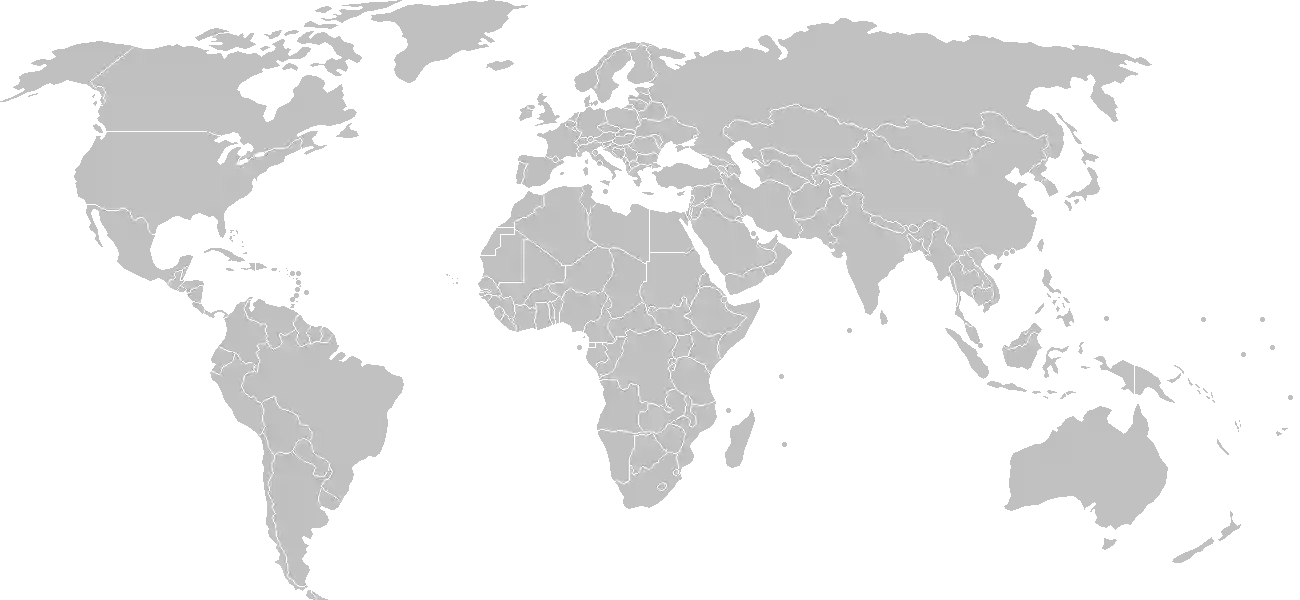
To speak of Haiti is to speak of a seismic force in the history of the modern world. Nestled on the western third of the island of Hispaniola, between the Caribbean Sea and the Atlantic Ocean, Haiti is a nation defined by dramatic contrasts. Its geography is a serrated skyline of rugged peaks and hidden valleys, while its cultural heart beats with a rhythm of resilience that has resonated globally for centuries. For the traveler or the scholar, Haiti is not merely a destination; it is a profound lesson in the endurance of the human spirit and a vibrant tapestry of African, European, and Indigenous Taino heritage.
The name itself, derived from the indigenous Taino word "Ayiti," meaning "land of high mountains," captures the essence of a nation whose identity is tethered to the clouds. Here, the tropical heat gives way to the cool, mist-covered heights of the Massif du Nord, creating microclimates that foster a startling diversity of life. Yet, it is not just the land that defines Haiti. It is the story of how that land served as the stage for a transformative moment in global history. To understand this trajectory, one must engage deeply with the legacy of the nation. You can delve into the comprehensive history essay, which outlines the complex events that shaped this republic from colonial roots to its status as the world’s first free Black republic.
A Heritage Carved in Stone and Spirit
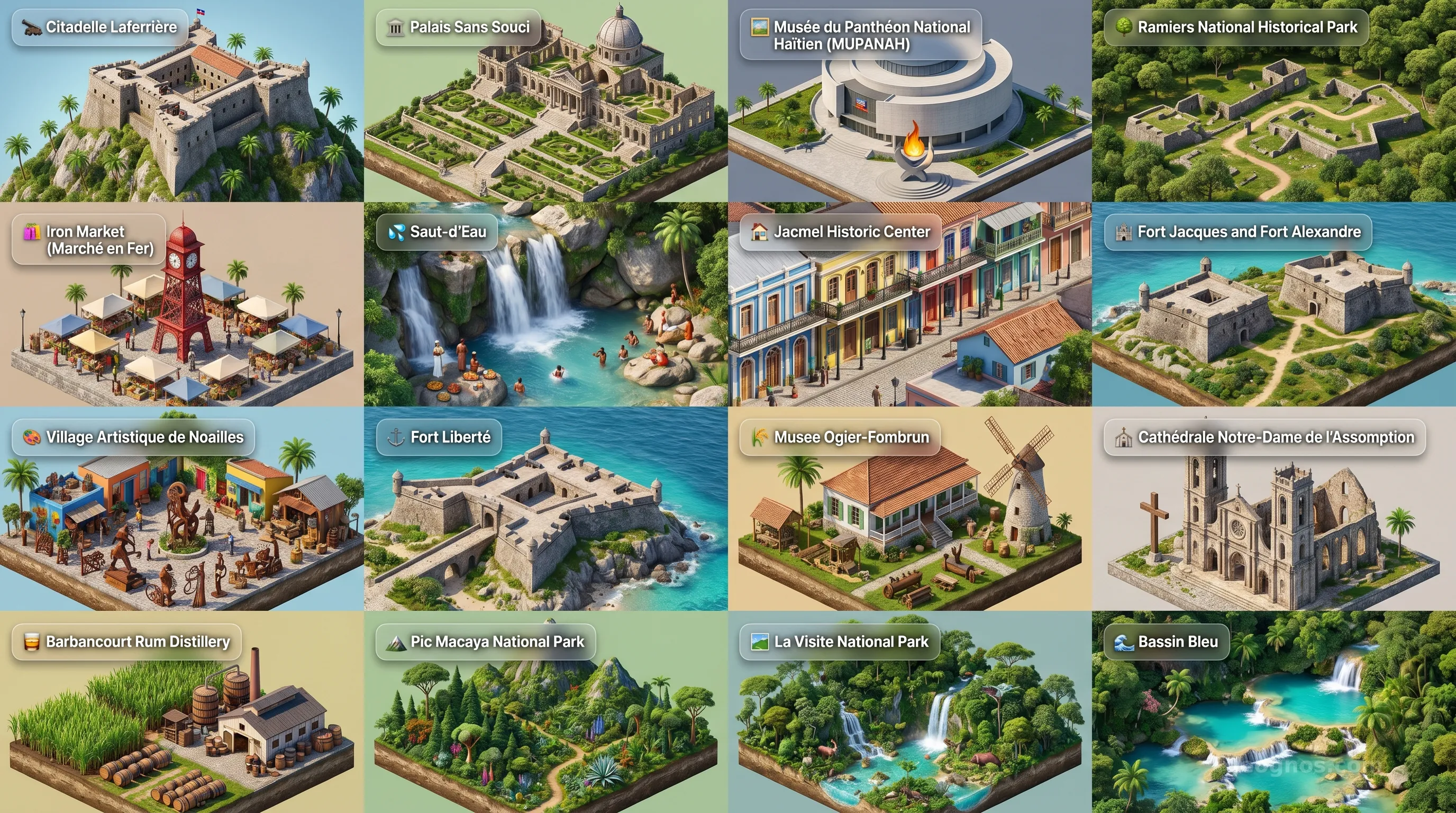
Haiti is a museum of living history. From the massive fortifications of the Citadelle Laferrière, perched precariously atop a mountain peak, to the bustling, colorful iron markets of Port-au-Prince, the nation presents a constant dialogue between the past and the present. Education in Haiti is as much about oral tradition as it is about written text. The resilience of the Haitian people is legendary, often manifested in their unique artistic expressions, complex religious syncretism, and a culinary tradition that balances African staples with indigenous Caribbean ingredients.
For those seeking to master the timeline of this incredible nation, there is a distinct pleasure in understanding how dates, decisions, and daring acts intertwined to create modern Haiti. Test your knowledge and sharpen your chronological understanding by participating in our interactive history puzzle. By arranging key turning points in their proper sequence, you unlock badges that signify your growing expertise in Haitian history.
The Geography of Resilience
Physically, Haiti is characterized by its dramatic "C" shape, defined by two peninsulas that reach out toward Jamaica and Cuba. This unique shape provides thousands of miles of coastline, ranging from the sun-drenched beaches of the south to the craggy, rain-forested northern shores. The mountainous interior acts as a backbone, creating isolated ecosystems and fostering regional variations in dialect, music, and social customs. The interplay between the low-lying plains and the sharp verticality of the terrain remains one of the most striking environmental features in the Caribbean basin.
Visual learners will find that the narrative of Haiti unfolds beautifully through its landmarks. The visual storytelling medium is perhaps the most evocative way to grasp the aesthetic soul of the country. We invite you to experience the history cinematic showcase, a carefully curated collection of illustrations that brings pivotal moments to life through art and summary, ensuring the narrative remains vivid for students and historians alike.
Embracing the Haitian Soul
To visit Haiti is to embrace a paradox. It is a place of profound challenge, yet it possesses a capacity for joy that is infectious. The architecture, the folklore, and the daily commerce in the streets all point to a culture that refuses to be static. Whether you are investigating the environmental significance of the Pine Forests or examining the intricate dynamics of the maritime trade, Haiti demands full attention to detail. Every mountain road and every coastal path offers a new perspective on how a small nation influenced the course of Atlantic civilization.
The cultural heartbeat of the nation is best viewed through the places that its citizens hold most dear. From historical squares to natural wonders, the spirit of the land is preserved in its diverse landmarks. Immerse yourself in the landscape and get a preview of your future travels by viewing our POI cinematic showcase. These vignettes offer a window into the natural and historical beauty that defines the Haitian landscape, from the architectural grandeur of Sans-Souci Palace to the serene beauty of the southern coast.
Haiti remains a beacon for those interested in geography, anthropology, and the enduring nature of human liberty. By looking beyond the headlines and focusing on the deep, layered story of the nation, one finds a place of intellectual and cultural richness that rewards the curious observer. Join us as we navigate the mountains and the history of this remarkable Caribbean sentinel.