The Eternal Blue Sky: Mongolia’s Endless Horizon
There is a silence in the Mongolian steppe that does not feel empty. It feels absolute. To stand amidst the vast, undulating grasslands that stretch toward the horizon is to understand why this land has been called the Land of the Eternal Blue Sky. Mongolia is not merely a country defined by its borders, but by an expansive geography that demands resilience, fosters deep spiritual connection, and rewards those who look past the surface of the arid plains and mountain peaks. For those who seek to understand the scale of human ambition and the endurance of tradition, a journey here is not just travel; it is an exploration of the foundational rhythm of life.
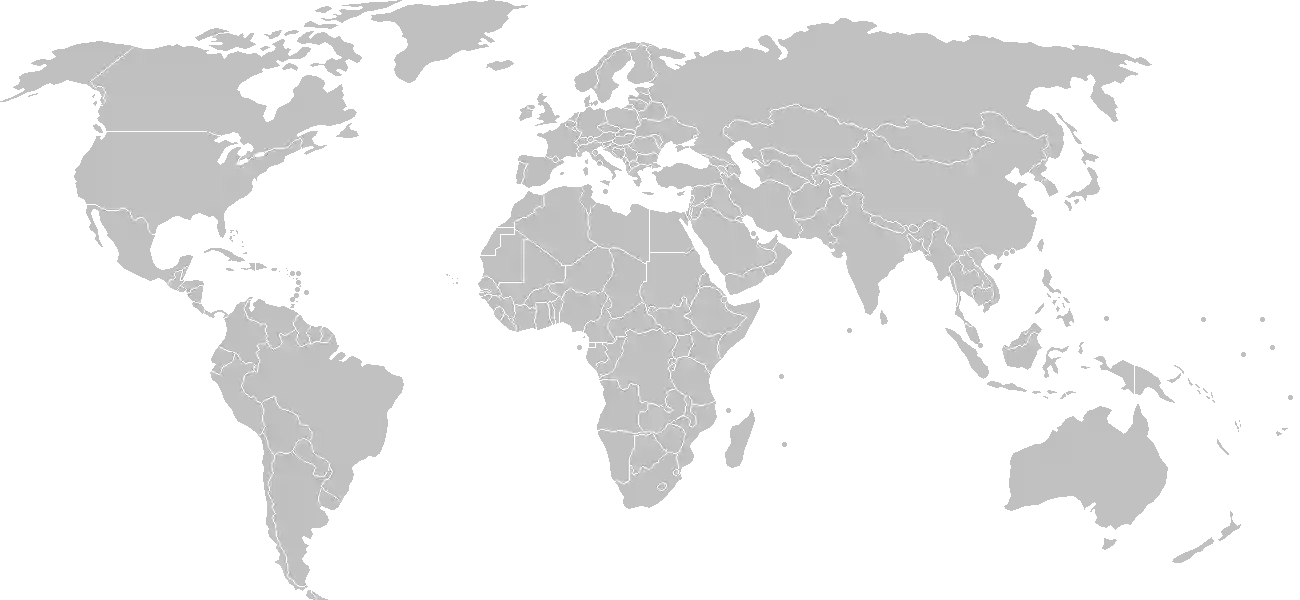
Geographically, Mongolia acts as a grand bridge between the Siberian forests to the north and the arid, shifting dunes of the Gobi Desert to the south. This "vertical" span creates a stunning diversity of ecosystems that have dictated the life patterns of its inhabitants for millennia. As you immerse yourself in the culture, it is essential to first explore the history of Mongolia to grasp how the harshness of this landscape transformed pastoral nomads into the architects of one of the largest continuous empires in the history of the world.
The Legacy of the Steppe
The history of Mongolia is often painted in broad strokes of conquest and movement, but it is deeply anchored in the seasonal migration of people and their livestock. The nomadic heritage of the Mongolian people is a sophisticated adaptation to an environment that offers little room for sedentary errors. While the stories of Genghis Khan resonate globally, the cultural identity of modern Mongolia is built upon a profound reverence for nature and a communal structure that survives to this day. Those who wish to engage deeply with the evolution of this nation can test their knowledge and sharpen their understanding by playing the interactive history puzzle to arrange major historical turning points in their correct chronological order.
It is in the quiet moments between the grand shifts of empires that the soul of Mongolia reveals itself. Whether it is the sound of the horsehead fiddle, the Morin Khuur, echoing in a ger, or the sight of golden eagles soaring over the Altai Mountains, the cultural texture of the land is rich and layered. If you desire a more visual and immersive experience of how these pivotal historical moments manifested in art and event, you should view our curated history cinematic showcase, which brings the legacy of the Silk Road crossroads and the legendary gatherings of the past to life.
A Landscape Shaped by Extremes
Mongolia’s geography is as much a character in its story as its people. It is a landlocked plateau with a continental climate that oscillates between the biting, crystalline cold of winter and the short, intense bloom of a verdant summer. This land has no sea to soften its mood, forcing the inhabitants to live in strict harmony with the solar cycle. When one looks at the sweeping topography, from the soaring peaks of the Khangai Mountains to the shimmering salt basins of the Great Lakes Depression, one gains a respect for the scale of this nation.
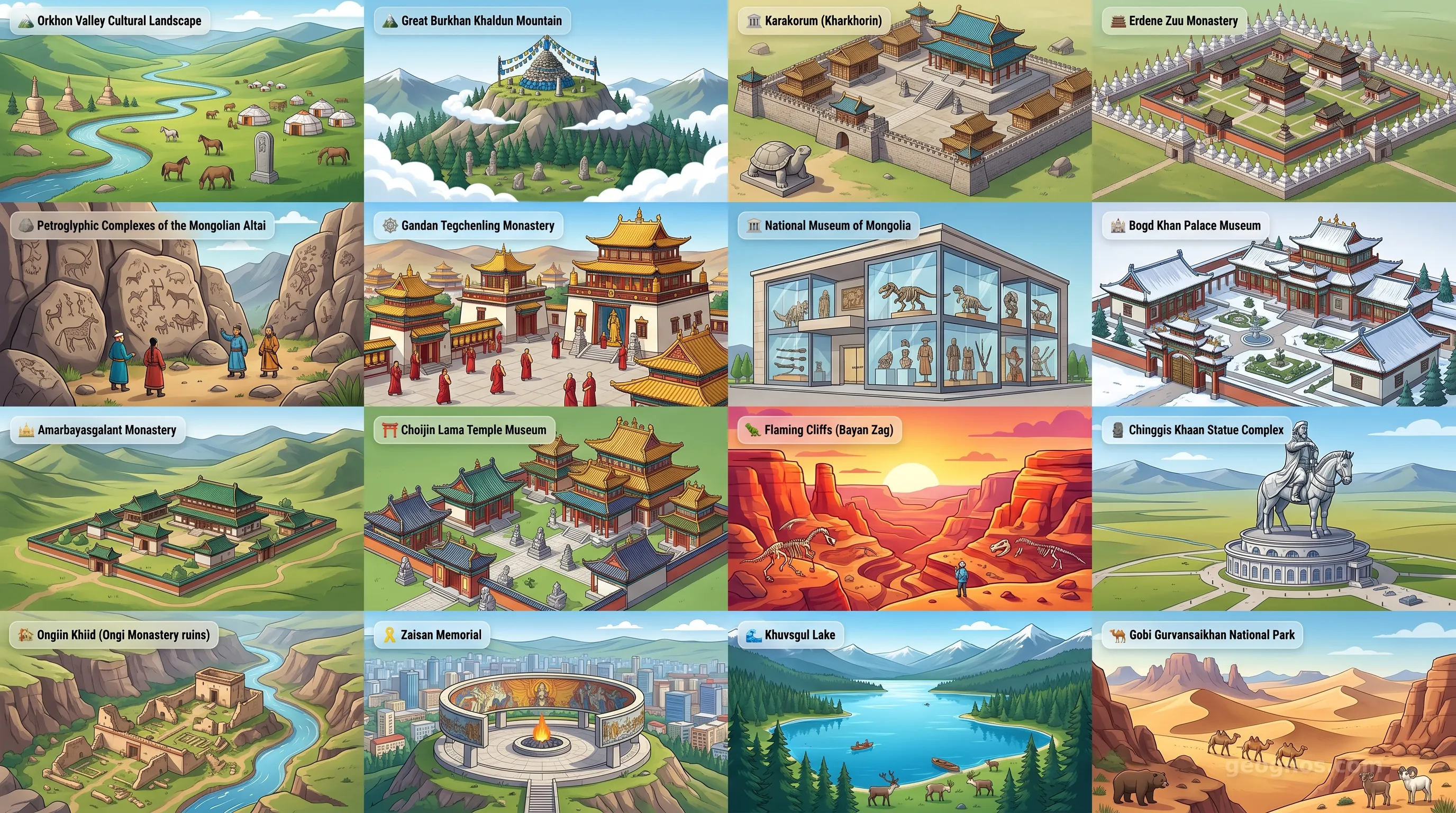
Travelers who prepare for their own expedition will find that the country holds wonders that defy conventional photography. To truly appreciate the breathtaking majesty of sites like the flaming cliffs of Bayanzag or the icy cascades of the Orkhon Valley, we encourage you to spend time with our POI cinematic showcase. These highlights serve as a map of the nation’s hidden natural treasures, illustrating why this country remains one of the final true wildernesses on the planet.
Living Tradition in a Modern World
The contemporary Mongolian experience is a fascinating intersection of heritage and the 21st century. While Ulaanbaatar pulses with the rapid growth of urban life, gleaming glass architecture, and an energetic youth culture, the countryside retains the ancient methods of nomadic animal husbandry. There is an unspoken agreement here that modern development must walk hand-in-hand with the preservation of the landscape. This equilibrium is maintained through a government and societal structure that continues to prioritize the sovereignty of its traditional practices while engaging actively with the global community through education, renewable energy initiatives, and sustainable tourism.
Education remains a cornerstone of the Mongolian spirit, with students across the nation drawing inspiration from the long line of scholars, poets, and leaders who defined the national consciousness. Whether you are a student uncovering the foundations of civilization or a traveler seeking a landscape that humbles the soul, Mongolia invites you to reconsider the relationship between humanity and the wild. As you navigate the resources within GeoGnos, remember that each detail about the climate, the demographics, or the economic output serves as a single thread in the much larger, intricate tapestry of this nation.
Welcome to Mongolia. From the peaks of the Tavan Bogd to the expansive basins of the south, may your path be wide, your blue sky eternal, and your journey filled with the profound wisdom that only this land can provide.