The Incense Sentinel: Oman's Timeless Dialogue with the Sea and Sand
To understand Oman is to look beyond the immediate horizon of the Arabian Peninsula. While its neighbors often lean into the rapid transformation of glass and steel, Oman maintains a dignified, rhythmic pulse dictated by the monsoon winds and the rugged permanence of the Al Hajar mountains. It is a nation that serves as a bridge between the ancient world of the Silk Road and the modern complexities of the Indian Ocean, a land where the legacy of maritime masters and desert travelers survives in the very air, scented faintly with frankincense.
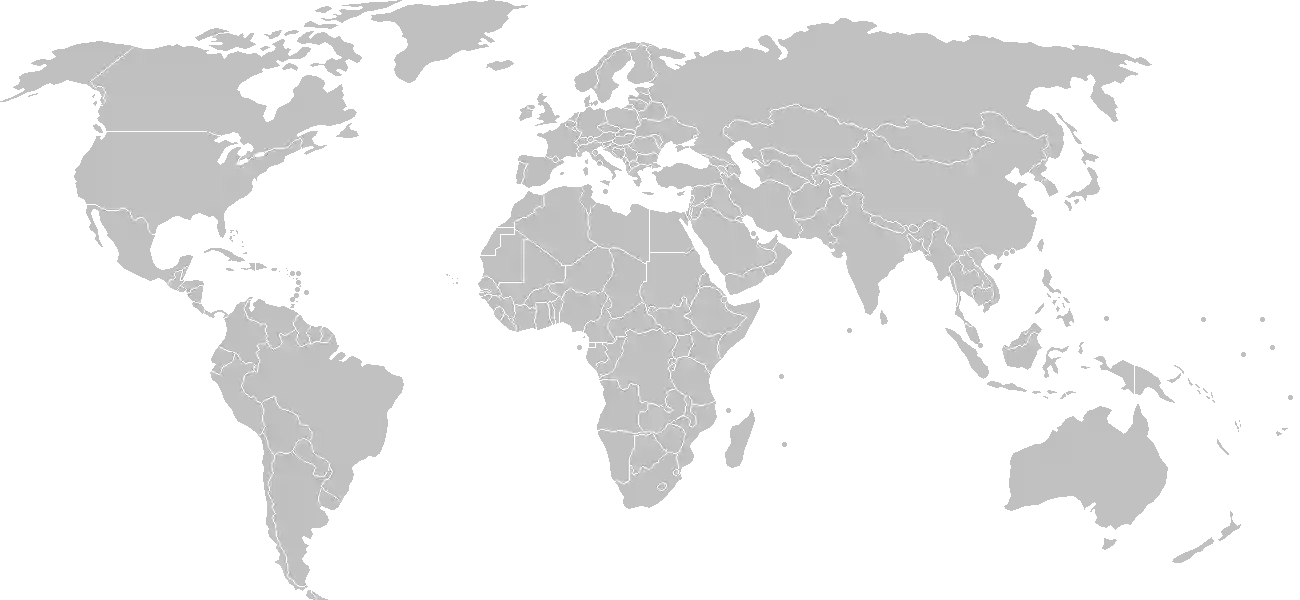
Geographically, Oman occupies the southeastern fringe of the Arabian landmass, a strategic perch that has historically allowed it to command the gateway to the Persian Gulf. Yet, to categorize it simply as a desert nation would be a profound oversight. Its geography is a masterful composition of extremes, where turquoise coastal lagoons crash against dramatic limestone cliffs and where emerald wadis, fed by subterranean springs, cut deep canyons through the sun-bleached mountains. For those who wish to delve into the deep layers of time that shaped this landscape and its people, one must begin to explore the history of Oman, which provides a detailed tapestry of empires, seafarers, and the resilient sultans who guided this nation through the centuries.
A Maritime Heritage Written in Wood and Wave
The soul of Oman is distinctly maritime. Long before the discovery of oil or the advent of global aviation, the Omani people were the navigators of the Indian Ocean. From the legendary ports of Sur and Muscat, dhows laden with timber, dates, and frankincense charted routes to Zanzibar, India, and China. This was not merely commerce, but an exchange of ideas, languages, and cultural expressions that defined the cosmopolitan nature of Omani identity.
This history is best understood by grasping the chronology of the empires that rose and fell upon these tides. To challenge your understanding of the eras that transformed this region, you might engage with our history puzzle, an interactive data-driven tool designed to place major Omani historical events in their proper order while testing your knowledge of the region's geopolitical evolution. By masterfully aligning the rise of dynasties and the establishment of maritime trade routes, students and travelers alike gain a sharper perspective on why Oman remains such a uniquely stable and culturally rich nation in the 21st century.
From Fortresses to Natural Wonders: A Visual Journey
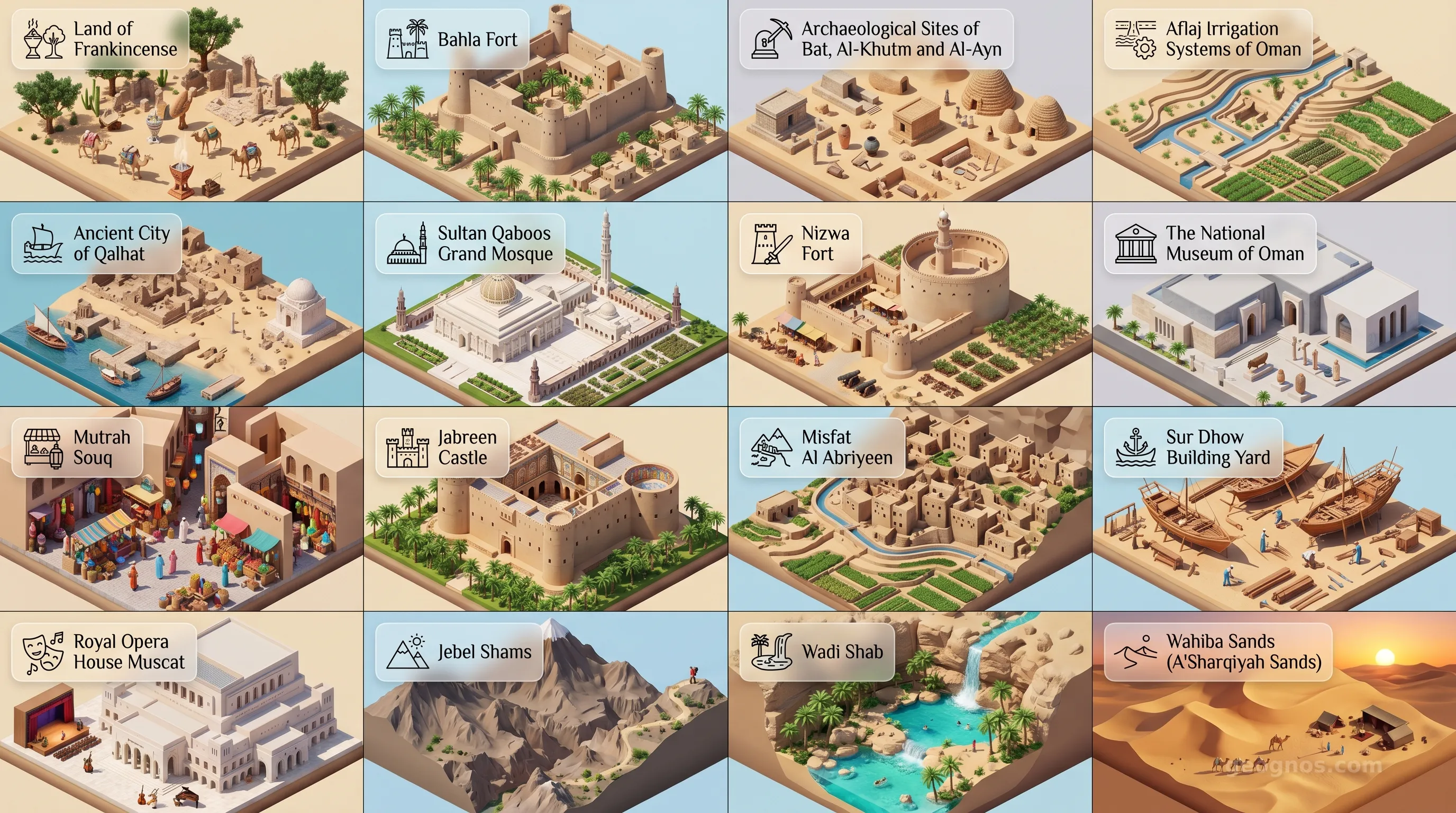
As you traverse the rugged interior, the skyline is punctuated by the silhouettes of sentinel towers and fortresses. These structures, often built of mud brick and stone, stand as silent witnesses to the ingenuity of Omani defense and architecture. The architectural harmony of these sites reflects a culture that has always prioritized communal security and traditional aesthetics. To immerse yourself in the atmospheric grandeur of these locations before stepping foot on the ground, we recommend you enjoy the history cinematic showcase. This collection of curated illustrations brings to life the defining moments of Omani development, providing a window into how the past actively informs the present.
Beyond the man-made marvels, the sheer geographic diversity of Oman provides an endless theater for the curious mind. From the shifting dunes of the Wahiba Sands to the biodiversity-rich waters of the Daymaniyat Islands, the visual variety is staggering. We have compiled a vivid collection of these landscapes to ensure that your introduction to the country is as immersive as possible. Whether you are preparing a lecture or planning a journey, the POI cinematic showcase offers a rotating gallery of Oman’s most breathtaking points of interest, capturing the interplay between light, desert, and sea that makes this nation an unrivaled destination for the explorer.
An Environment Shaped by the Monsoon and the Mountain
The uniqueness of Oman is ultimately found in the way its people coexist with their demanding environment. The Dhofar region in the south stands in direct contrast to the arid north, flourishing during the khareef, or monsoon season, when mist and drizzle turn the mountains a deep, vibrant green. This ecological duality—the battle between the relentless sun and the seasonal moisture—is the heartbeat of Omani survival.
For educators and students, Oman serves as a living laboratory for geography and sustainability. The way the country manages its limited water resources through the traditional aflaj irrigation system is a testament to indigenous science that predates modern infrastructure. As we explore the vast landscapes, we see a nation that deeply respects its roots while engaging in a quiet, measured progress. Oman remains a sanctuary of traditional values, welcoming the visitor not as a mere tourist, but as a traveler seeking to understand the quiet power of a landscape that has stood the test of time, wind, and ocean.