The Gem of the Antilles: Where Volcanoes Meet the Sapphire Sea
In the vast expanse of the Caribbean archipelago, where the Atlantic rhythm meets the tranquil currents of the Caribbean Sea, lies a nation that feels less like a state and more like a whispered secret kept by the wind. Saint Vincent and the Grenadines is not merely a collection of islands. It is a geological masterpiece, a vibrant ribbon of emerald jewels scattered across thirty-two miles of crystal-clear ocean. From the rugged, volcanic spine of Saint Vincent to the quiet, alabaster crescents of the Grenadines, this nation offers a profound study in resilience and natural beauty. To visit here, or to study these islands, is to engage with a landscape that has spent millennia forging its own unique identity through fire, salt, and human ingenuity.
The soul of the nation is anchored by La Soufrière, a majestic and temperamental volcano that stands as the ultimate guardian of the northern frontier. While the world may associate the Caribbean with predictable flat-white sands, Saint Vincent defies that simplicity. Its dark, volcanic beaches hum with the mineral memory of ancient eruptions, providing a striking contrast to the luminous, turquoise lagoons that define the southern Grenadines. It is a land of vertical extremes and horizontal serenity, inviting observers to uncover the deep connections between the tectonic energy beneath our feet and the rhythmic stability of daily island life.
A Tapestry Woven from Time and Tide
To understand the people of Saint Vincent and the Grenadines, one must first look at the layers of history that have washed over these shores like the tides. The islands served as a defiant sanctuary for the Garifuna and the indigenous Kalinago people, who resisted colonial expansion with a spirit that still echoes in the modern national character. The path of this heritage is long and winding, marked by eras of exploration, agricultural transition, and a profound maritime legacy. We invite students, educators, and curious minds to explore the history of Saint Vincent and the Grenadines, where the narrative of resistance and cultural fusion becomes a cornerstone for understanding the regional identity of the Lesser Antilles.
The progression of these islands through the centuries is a fascinating puzzle, each piece representing a shift in global influence or a local milestone. For those who enjoy testing their grasp of the past, we offer an interactive way to engage with this legacy. You are encouraged to challenge yourself with our History Puzzle, where you can arrange the major historical milestones in their correct sequence to earn badges and demonstrate your mastery of the timeline.
The Living Archive of an Archipelago
The physical landscape of the nation is as vibrant as its human story. Imagine a country that feels like a private world. For the prospective traveler or the remote geographer, the experience of Saint Vincent and the Grenadines is best digested through sight and movement. Because of the vast diversity of terrains, from the botanical riches of the Leeward coast to the secluded luxury of Mustique or Canouan, visualizing the islands is essential to appreciating their scope. Our History Cinematic Showcase allows you to walk through these milestones chronologically, bringing to life the struggles and triumphs that built the nation into what it is today.
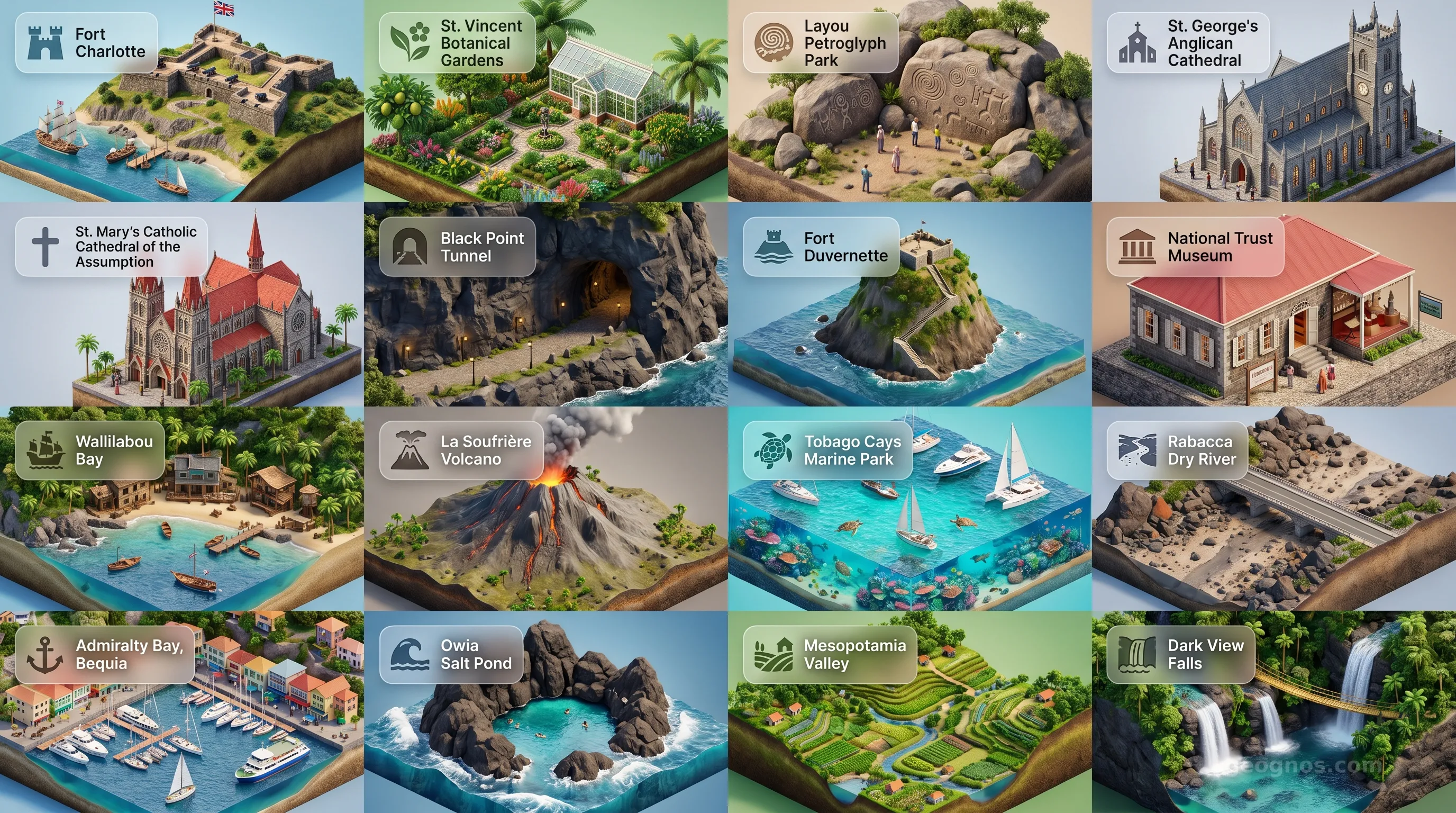
The allure of the islands extends far beyond the historical. The geographical features are diverse, creating pockets of biodiversity that attract researchers and nature lovers alike. To truly feel the magnetic pull of these islands, one should see them in high definition. We invite you to view our POI Cinematic Showcase, which highlights the crown jewels of the nation, from the botanical gardens of Kingstown to the soaring masts of the schooners that populate the Grenadines. It is a visual journey designed to capture the breathtaking beauty of the Caribbean, proving that there is always more to discover beyond the horizon.
Geography as a Destiny
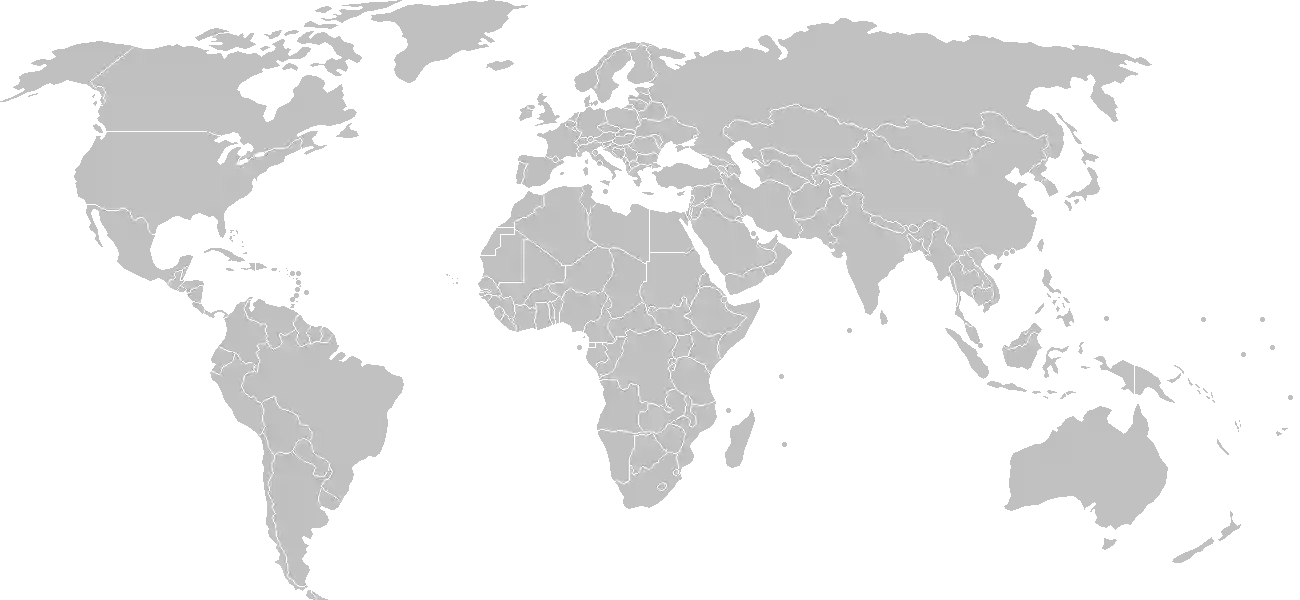
Saint Vincent and the Grenadines is a volcanic arc that effectively separates the Caribbean Sea from the Atlantic Ocean. The main island, Saint Vincent, is the rugged older sibling, characterized by dramatic mountains, dense rainforests, and fertile valleys that have powered the agricultural economy for centuries. The Grenadines, a sparkling string of thirty-two smaller isles and cays, provide the gentle, sandy counterpoint to the dramatic north. This geographic duality informs every aspect of life in the country, from the culinary traditions—rich in fresh tropical harvests—to the maritime culture that dictates commerce and recreation.
The geography does more than provide a scenic backdrop. It creates distinct micro-climates and social pockets. While the government governs from the busy, industrious port of Kingstown on the main island, the Grenadines operate on a slower, salt-tinged clock that has captured the imagination of the global community. Whether one is measuring the rainfall in the highlands or mapping the coral reefs of the Tobago Cays, the islands represent a living laboratory for geography students and an enduring source of inspiration for all who appreciate the intricate bond between humanity and the environment. As you move through the chapters of this atlas, keep your eyes on the horizon, for this nation serves as a quintessential guide to the life of the sea.