The Pearl of Africa: A Verdant Tapestry of Life
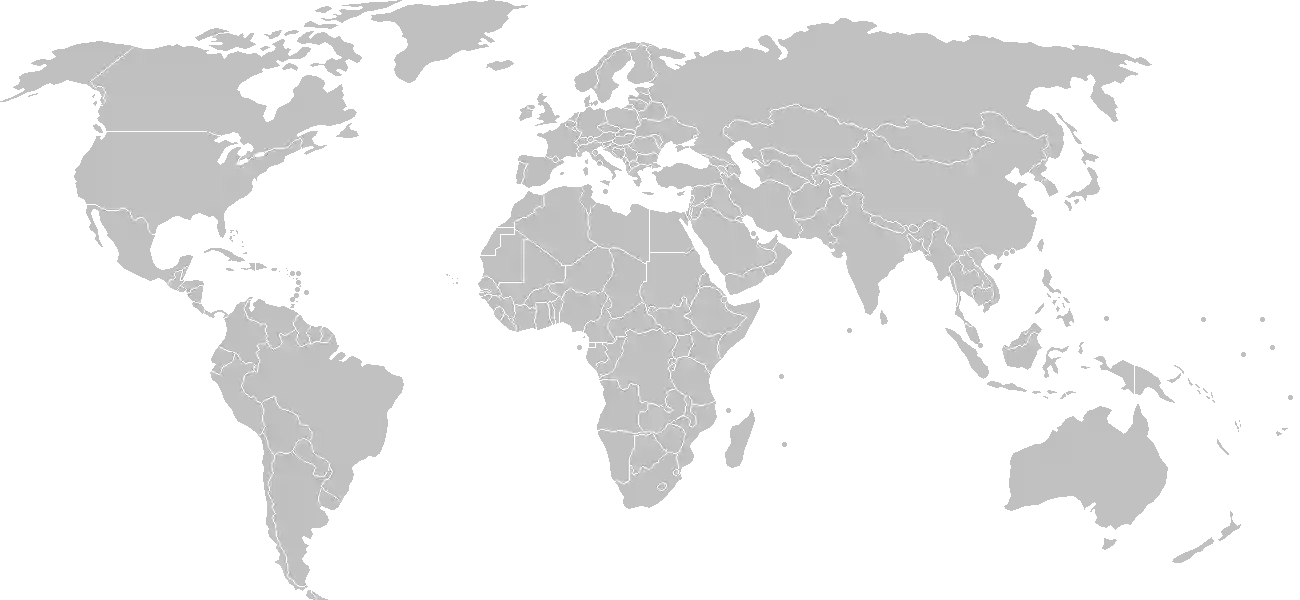
To stand upon the landscape of Uganda is to witness the very cradle of a continent. Often called the Pearl of Africa, this landlocked nation resting at the heart of the Great Rift Valley is defined by a landscape so vibrant and biologically diverse that it seems to breathe in harmony with the equator. It is a country where the snow capped peaks of the Rwenzori Mountains reach toward the heavens, where the mighty Nile River begins its long, serpentine journey to the Mediterranean, and where dense, primordial forests shelter the planet’s most intimate relations in the wild. This is a place where geography is not merely a background for human events but the primary architect of an incredibly rich cultural and ecological heritage.
Understanding this nation requires more than a simple gaze at a map. It demands an appreciation for the convergence of Eastern savanna and Western rainforest ecosystems, a synthesis that creates a biological crossroads unlike any other on Earth. Within these borders, one finds the resilience of ancient kingdoms, the intricate layering of diverse ethnic traditions, and a geographic identity that has been shaped by deep volcanic roots and the steady, patient pulse of the African Great Lakes.
A Journey Through Time and Memory
The story of Uganda is one of complexity and endurance. For the student of human affairs, deciphering the events that transformed tribal polities into a unified nation is an essential academic endeavor. You can explore the comprehensive history of Uganda to understand the socio political evolutions, the influence of early migration patterns, and the profound legacy of colonial and post colonial development. This resource serves as a foundation for teachers and scholars alike, offering illustrated insights into the top historical milestones that forged the modern Ugandan state.
History is rarely a static sequence of dates. It is a dynamic process of cause and effect. To truly test your grasp of the transformative moments that define the nation, we invite you to participate in our interactive history chronology puzzle. By arranging the most significant markers of the past in their correct sequence, you will earn digital badges and sharpen your analytical skills regarding the nation's political and social trajectory.
Reflecting on the Narrative
The visual culture of Uganda is just as rich as its oral traditions. If you seek to visualize the majesty of the Kingdom of Buganda or the transformative shifts during the nineteenth and twentieth centuries, you will find value in our history cinematic showcase. This carousel of illustrations brings the narrative of the country to life, providing a multimedia bridge for students to connect with the challenges and triumphs of Uganda's ancestral leadership and modern statehood.
The Ecological Cathedral
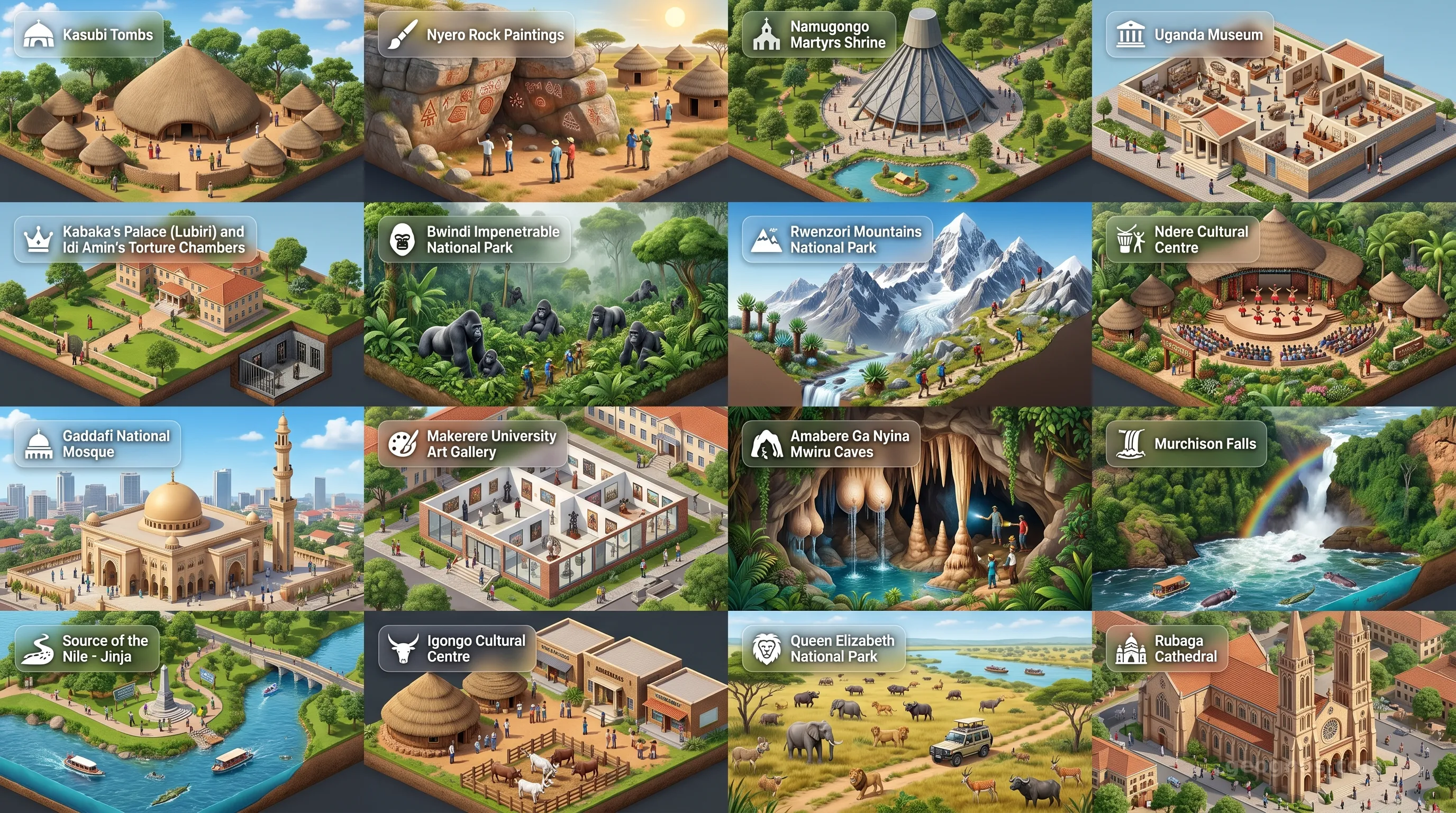
While history provides the structure of the Ugandan identity, its soul is found in the physical landscape. From the mist shrouded canopy of Bwindi Impenetrable National Park to the roaring beauty of Murchison Falls, the natural features of this country demand awe. Uganda is one of the few places where you can observe the Big Five in their natural savanna habitats and, within the same day, enter the thick shadows of the rainforest to walk among primates. This unique ecological overlap is a reminder of the fragility and importance of the natural world.
For those interested in the topography that dictates such incredible wildlife density, our POI cinematic showcase offers a breathtaking tour through the nation's most iconic geographic landmarks. It provides a deeper look at the diverse physical characteristics that travelers and researchers consistently marvel at when visiting this Central African gem.
The Pulse of the Modern Pearl
Today, Uganda stands at a threshold of development, balancing its extraordinary natural resources with the aspirations of a rapidly growing and youthful population. Education, technological adoption, and infrastructure projects are currently rewriting the national narrative. The people of Uganda, renowned for their warmth and communal spirit, continue to build a society that draws strength from its pluralistic heritage. By examining the interplay of the country’s high-altitude terrain and its temperate climate, scholars can begin to understand how the environment supports a robust agricultural sector and a burgeoning culture of innovation.
As we navigate the complexities of the twenty first century, the lessons from the geography and history of Uganda become ever more relevant. This nation demonstrates how diversity is a source of strength, how geography dictates the path of progress, and why it is essential to protect the natural wonders that serve as the lungs of the continent. Through the pages of GeoGnos, we invite you to continue this exploration into the government, energy systems, and socio economic framework that keep this extraordinary nation moving forward into a bright, self-determined future.