The Sovereign Sanctuary of the Pyrenees
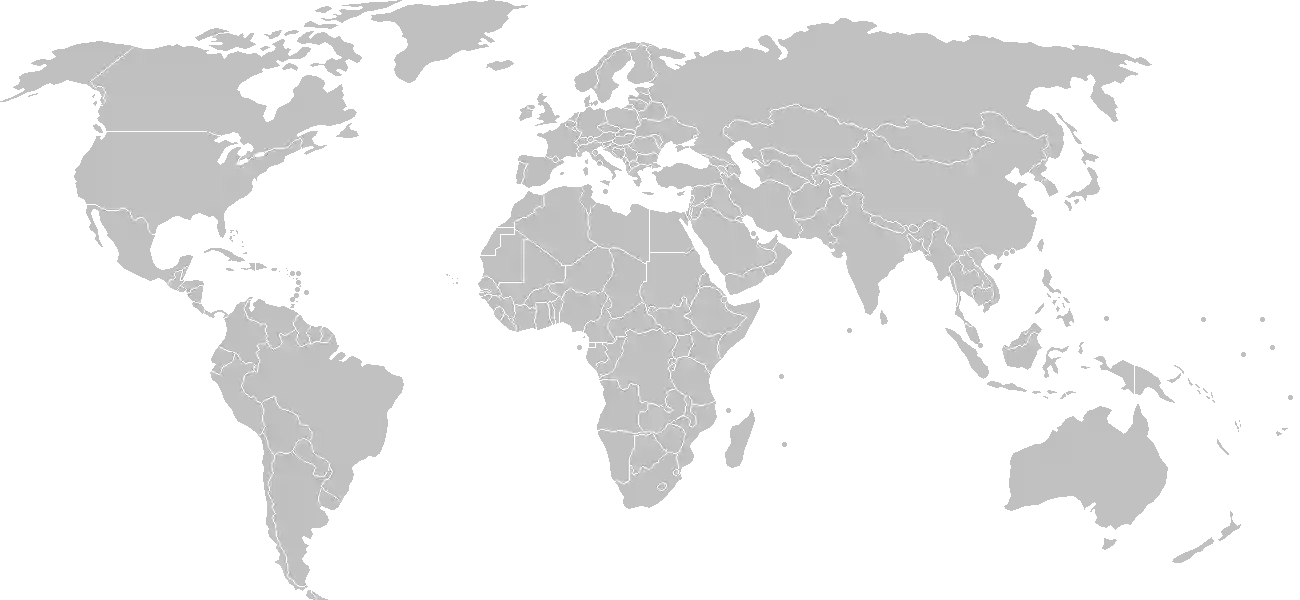
High in the granite folds of the eastern Pyrenees, nestled between the imposing shadows of France and Spain, lies a state that defies the logic of borders. Andorra is more than a geographical curiosity or a tax-efficient refuge. It is a vertical world, a high-altitude bastion where the air is thin, the history is deep, and the traditions are as enduring as the peaks themselves. For centuries, this microstate has existed in a deliberate, quiet seclusion, shielded by the very ramparts of stone that characterize its territory. To visit Andorra is to step out of the frantic pace of the modern continent and into a realm where the landscape dictates the rhythm of life.
In this rugged corner of Europe, sovereignty is not merely a political status; it is a profound heritage. With an average elevation of nearly 2,000 meters, Andorra’s identity is intrinsically linked to the resilience of its people, who carved a stable society out of high mountain passes and narrow, rushing river valleys. It is a place where modernity touches ancient, Romanesque churches, and where the bustling commerce of the capital, Andorra la Vella, contrasts sharply with the silent, crystalline majesty of glaciers and alpine meadows. For those who seek to understand the resilience of small nations, we invite you to explore the history of Andorra to witness how it successfully navigated centuries of external pressure to emerge as a contemporary jewel of the mountains.
The Architecture of Isolation and Adaptation
The geography of Andorra is a masterclass in extreme terrain. Enclosed by jagged mountains such as Coma Pedrosa, the country’s landscape has historically dictated a defensive, introspective character. The isolation that protected it for centuries allowed for a unique administrative evolution, culminating in a parliamentary co-principality, a system where the authority is shared between the Bishop of Urgell in Spain and the President of France. This dual influence has created a society that is distinctly Catalan in culture and language yet international in spirit.
Understanding how this small state solidified its boundaries and established its peculiar governance requires an appreciation for the chronology of its past. We encourage students and history enthusiasts to engage with our history puzzle, an interactive data challenge that invites you to arrange the milestone moments of Andorran sovereignty, earning digital recognition for your chronological mastery.
A Landscape Crafted by the Elements
To walk through Andorra is to travel through geologic time. The deep, U-shaped valleys, sculpted by ancient glaciers, house the major human settlements, while the surrounding slopes offer some of the most dramatic skiing and hiking topography in Southern Europe. The country is a haven for those who study hydrology and high-altitude botany, featuring over sixty mountain lakes, or 'estany,' which reflect the changing hues of the alpine seasons. The Gresa and Valira rivers cut through the nation like veins of silver, feeding the verdant valleys that contrast with the austere, rocky summits overhead.
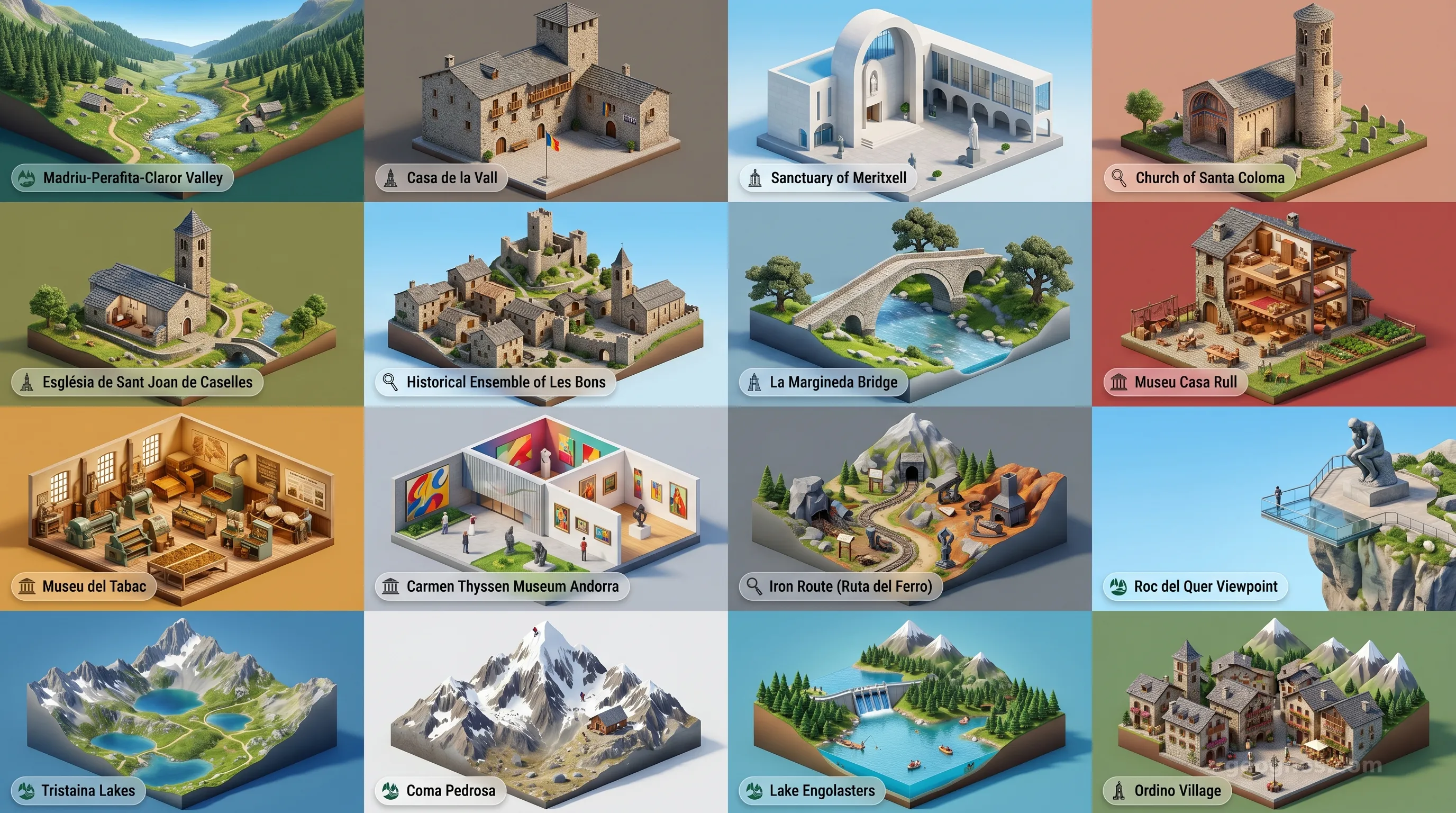
The environmental significance of the Pyrenean corridor cannot be overstated. As the climate shifts, Andorra remains a crucial observation point for environmental scientists and students studying high-altitude ecosystems. For a visual journey into the natural majesty and the built environment of these crags, you may view our POI cinematic showcase, a collection that highlights the premier points of interest across this high-altitude geography.
The Pulse of the People and the Modern Age
Despite its reputation for seclusion, the soul of Andorra is surprisingly dynamic. The demographic landscape has changed rapidly in recent decades, with a population enriched by citizens from around the world who have made these valleys their home. This transition from an isolated agricultural community to a global hub for sports, tourism, and services has not erased the foundational respect for local custom. You will find that the traditional festivals and culinary roots remain firmly anchored in the mountain way of life, bridging the gap between the past and the digital age.
The evolution of this small nation is a visual story of transformation, moving from feudal arrangements to a thriving, contemporary parliamentary democracy. To truly capture the grandeur of these transitions, our history cinematic showcase offers a curated experience where you can witness the defining events of the principality, rendered through beautiful illustrations and succinct, pedagogical summaries designed to ground the viewer in the historical realities of this land.
A Stewardship of Geography and Knowledge
At GeoGnos, we view Andorra not as a mere blip on the map of Europe, but as a model of successful sustainability. Whether it is the stewardship of its natural mineral springs, the management of its sensitive alpine climate, or the navigation of its unique governmental responsibilities, Andorra provides a profound case study in regional resilience. As you proceed through our atlas to explore the sections on topography, demographics, and the intricacies of the modern Andorran economy, we hope you find that this nation offers much more than meets the eye. It is an enduring lesson that in the right hands, even the most isolated valleys can bloom into centers of immense cultural, environmental, and historical wealth.