The Heart of the Balkans: Where East Meets West
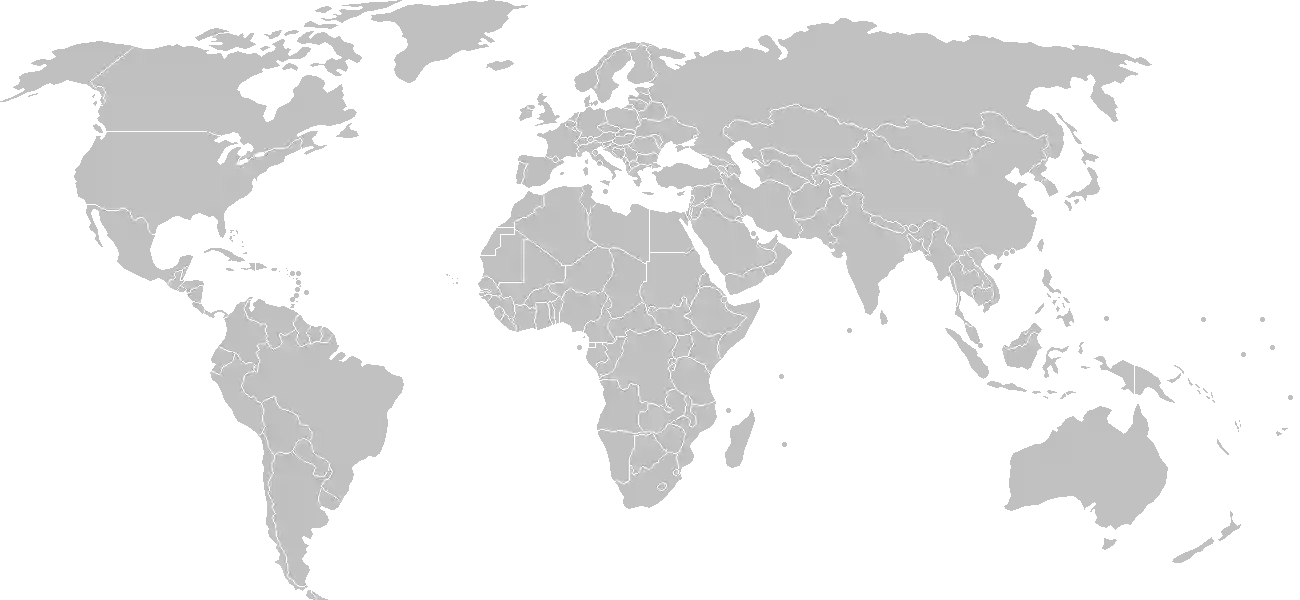
To stand in the center of Bosnia and Herzegovina is to stand at the hinge of two worlds. It is a land defined not merely by its borders, but by the profound way geography has acted as a bridge between the civilizations of the East and the West. Tucked within the jagged, breathtaking folds of the Dinaric Alps, this nation occupies a unique position in the heart of the Balkan Peninsula. It is a place where the echoing call of the muezzin often harmonizes with the rhythmic tolling of cathedral bells, a testament to a storied cultural synthesis that has persisted for centuries.
The geography of Bosnia and Herzegovina is an invitation to explore. From the emerald curves of the Neretva River as it carves through the karst mountains to the high plateaus that open into serene valleys, the landscape is both rugged and profoundly inviting. For the traveler, the scholar, and the curious student, understanding this nation requires looking deeper than the surface. It involves uncovering the layered narratives of empires that saw this territory as a strategic center of commerce, culture, and architecture. To begin your journey into the foundations of this Balkan gem, you may want to explore the history of Bosnia and Herzegovina, which provides a detailed chronicle of the events that shaped the cultural identity of this resilient nation.
A Tapestry of Cultural Convergence
What truly sets Bosnia and Herzegovina apart is the density of its cultural inheritance. It is a mosaic that defies simple classification. Throughout history, this region has served as a crucible for Slavic traditions, Ottoman aesthetics, and Austro-Hungarian architecture. You see this in the architecture of Sarajevo, where an Ottoman-era bazaar seamlessly transitions into wide, grand avenues lined with the intricate facades of Central European townhouses. This architectural dialogue is the physical manifestation of a society that has spent centuries learning to house diverse perspectives within the same geographic footprint.
Educational exploration of this country often requires visualizing these developments in their broader context. If you wish to challenge your understanding of the timelines that built this diverse state, we recommend engaging with our interactive history puzzle. This activity invites you to arrange key milestones of the region in chronological order, offering a tactile way to grasp how various historical epochs interacted to forge the modern identity of the state.
Visualizing the Passage of Time and Space
To appreciate the evolution of this country, one must look at the stories embedded in its stone, iron, and ink. The visual history of the region is as vibrant as its topography. By studying the iconography of past centuries, observers can witness the transition from medieval kingdoms to the imperial frontiers of the later eras. We have curated a specialized resource to help you digest these narratives visually. Please take a moment to view our history cinematic showcase, where you can watch the progression of top historical events come to life through a series of rich illustrations and expertly researched summaries designed for both classrooms and private study.
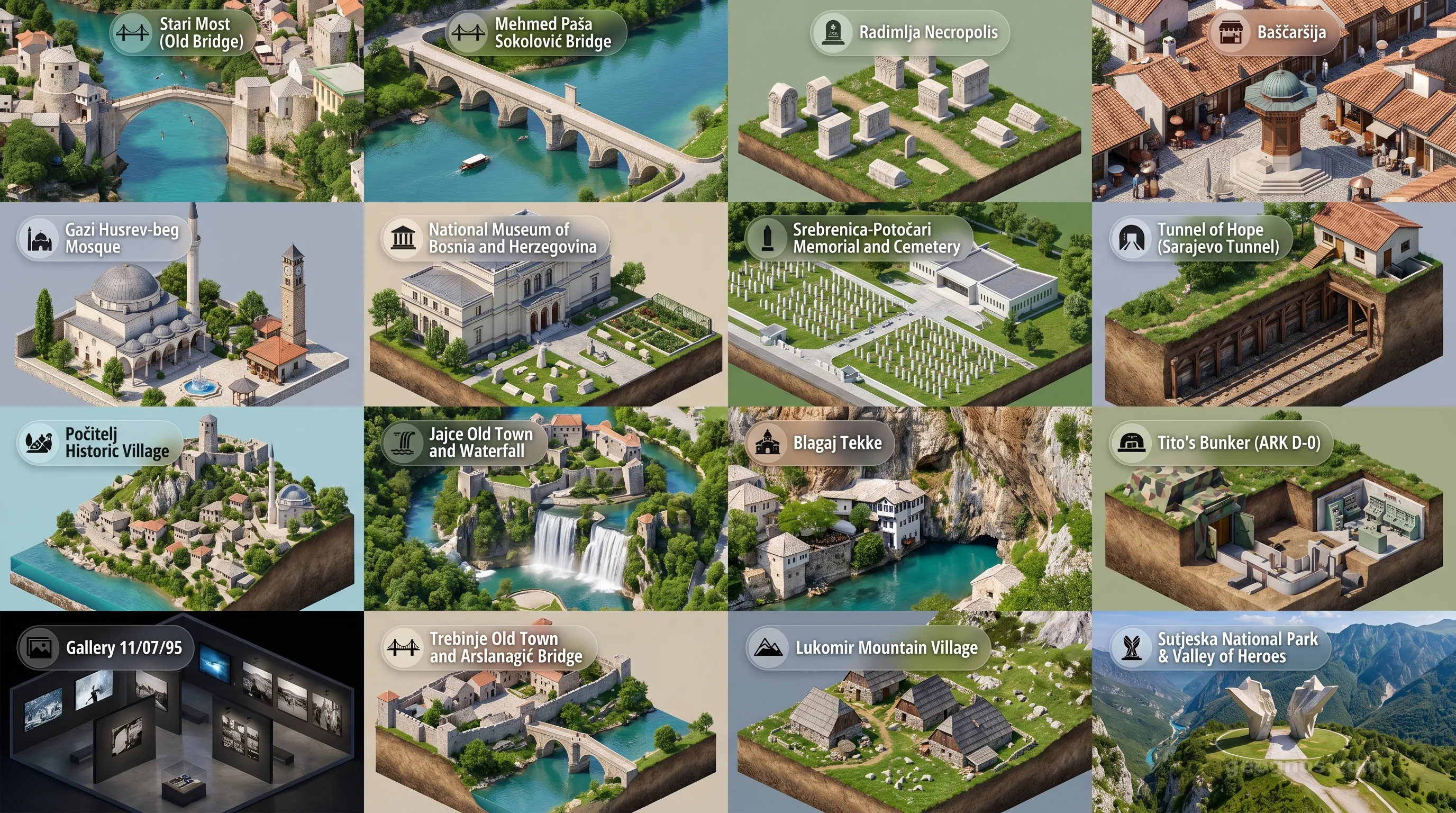
Beyond the pages of history, the physical reality of the land beckons. Bosnia and Herzegovina possesses some of the most striking natural landmarks in Europe, ranging from the thunderous beauty of the Kravica waterfalls to the historic bridges that have stood for centuries as icons of connectivity. If your interests lie in the physical travel experience or in identifying the geographical nodes that make the country so vital, our POI cinematic showcase offers an immersive way to preview the stunning vistas and heritage sites that define the travel experience today.
Geographic Resilience and Future Horizons
The future of Bosnia and Herzegovina is firmly rooted in the same resilience that allowed its ancestors to thrive in the complex karst topography of the Balkans. Because the land is predominantly mountainous, the people have developed a deep appreciation for the valleys and river corridors that sustain them. Whether it is the Drina River, which serves as a natural boundary and an economic lifeline, or the high alpine meadows that support centuries of agricultural tradition, the geography remains the primary storyteller of this region.
For the student, the importance of this nation extends far beyond its borders. It serves as a case study for integration and the coexistence of varying customs within a shared political framework. By examining the country's geography alongside its demographic shifts and economic development, researchers can gain insight into the broader challenges and triumphs of nations located at the crossroads of major cultural tectonic plates. At GeoGnos, we hope this introduction serves as your gateway to understanding how one country, through its unique interplay of mountain and plain, religion and tradition, continues to contribute to the global human story.