The Architect of Extremes: Understanding the Soul of Chile
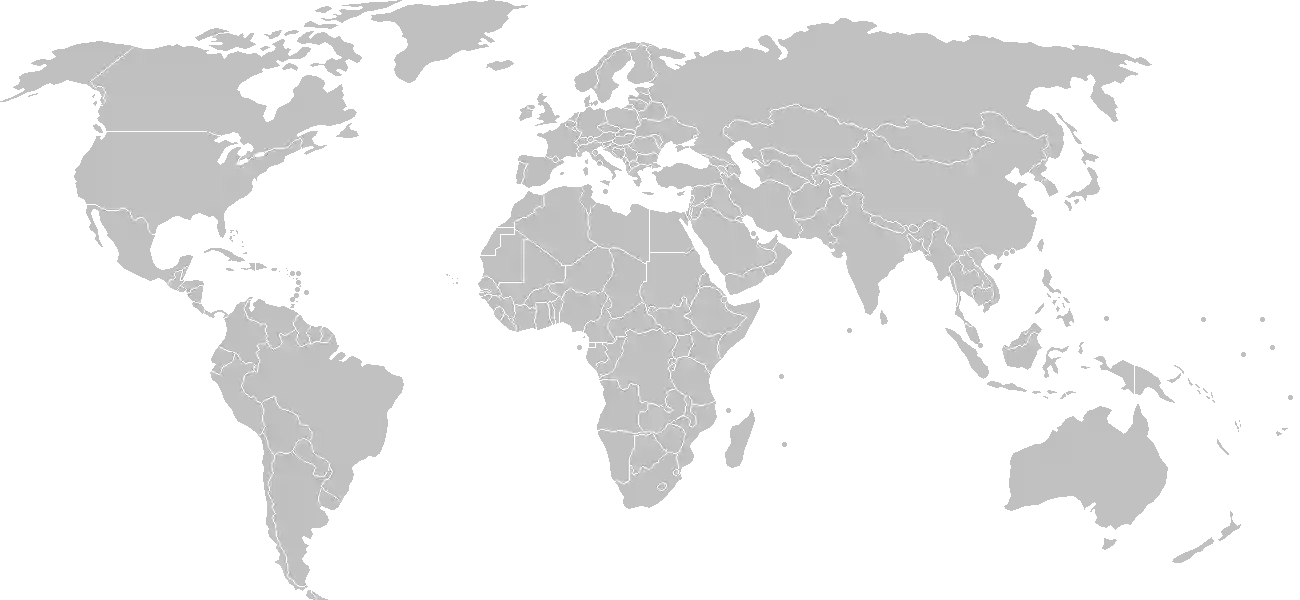
To view Chile on a map is to observe a geographic anomaly. It is a land that refuses to sprawl, choosing instead to stretch, carving a thin, needle-like silhouette between the crystalline, biting waters of the Pacific Ocean and the serrated, snow-dusted spine of the Andes Mountains. Chile does not invite visitors to experience a single climate, but rather demands they traverse nearly every ecosystem known to the planet. It is a nation of intentional verticality, where one might witness the arid, star-drenched silence of the Atacama Desert at dawn and stand amidst the blue-ice groans of Patagonia glaciers by twilight.
This geographic extremity has served as the primary forge for the Chilean spirit. For centuries, the mountain wall and the maritime frontier acted as a natural sanctuary, allowing a distinct cultural identity to distill into something resilient, reflective, and fiercely independent. The history of this land is not merely a record of events, but a dialogue between humanity and a formidable, untamable landscape. To truly understand how this geography dictated the path of the people, one must explore the comprehensive history of Chile, where the rise of pre-Columbian societies and the eventual colonial transformations are examined through the lens of topographical challenge.
A Crucible of Cultural Chronology
The passage of time in Chile is layered like the geological strata of its volcanic peaks. From the ancestral wisdom of the Mapuche people to the transformative eras of independence and modernization, the narrative of the nation is best understood through the milestones that define its trajectory. History here is rarely stagnant. It is a rhythmic pulse that moves from the southern fjords to the northern altiplano.
For those looking to internalize these temporal shifts, the intellectual exercise of connecting cause and effect is essential. Teachers and students alike are invited to challenge their perceptions of the past by engaging with our interactive chronology puzzle, which tasks learners with synthesizing major events to reconstruct the timeline of this sovereign nation. It is a foundational experience that transforms static dates into a dynamic understanding of cultural evolution.
Visualizing these epochs provides a depth of connection that words alone cannot achieve. By observing the artistic and documentary representations of these turning points, we bridge the gap between ancient traditions and the modern republic. Our historical cinematic showcase provides a gallery of these moments, offering curated summaries and scholarly citations that render the long, slender path of Chilean heritage tangible and deeply evocative.
The Geography of Awe
There is a specific poetry in the Chilean landscape, a recurring motif of ice, stone, and tide. Visitors and researchers often find themselves overwhelmed by the sheer scale of the Andes as they overlook the central valleys, where the Mediterranean climate permits a bounty of viticulture and agriculture that feeds the nation. As we move southward, the landscape shatters into a labyrinthine coastline of islands, fjords, and evergreen forests that seem to echo the primordial origins of the earth.
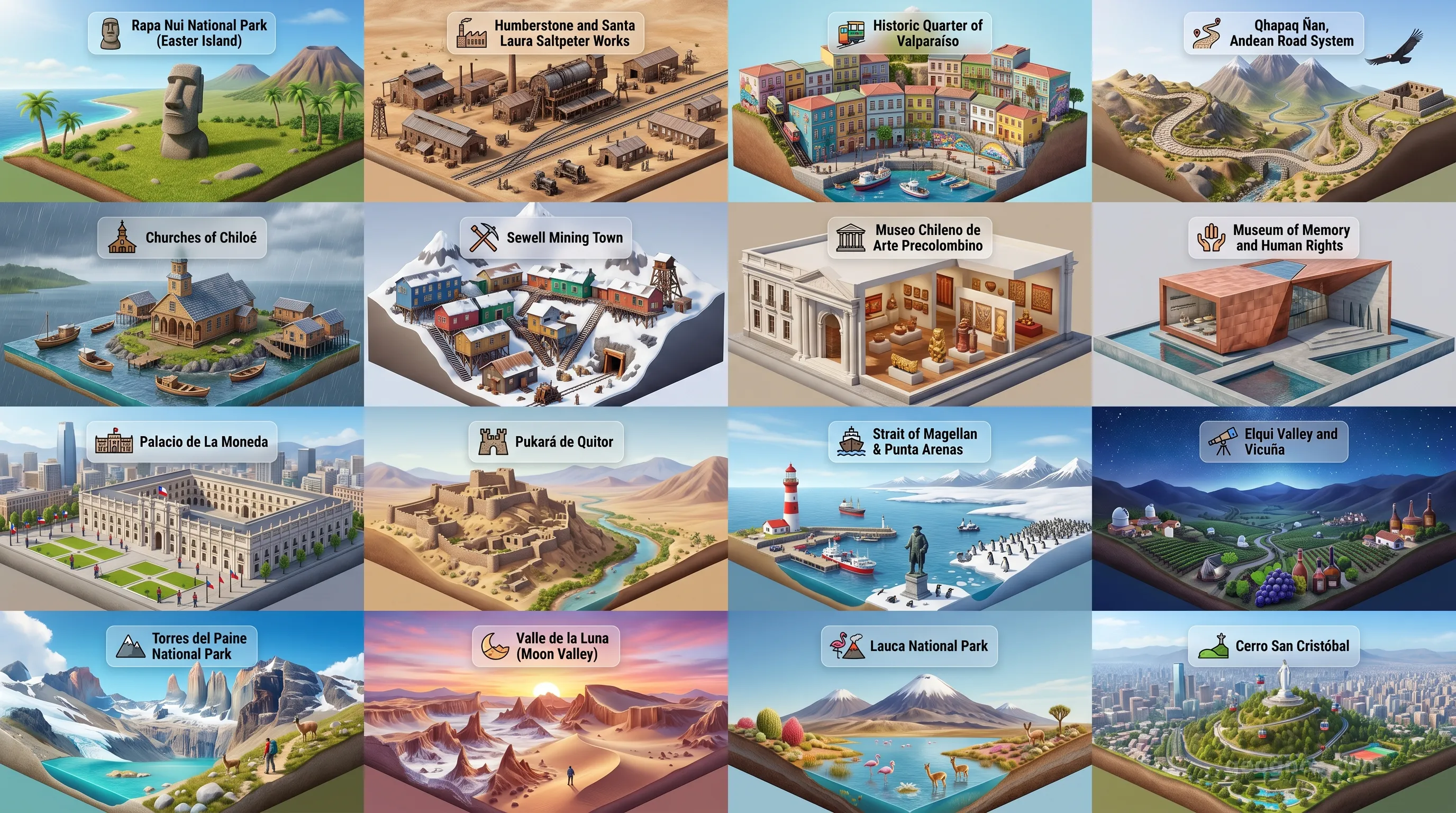
Yet, no account of Chile is complete without turning one’s gaze toward the iconic sights that define its majesty. From the stark, otherworldly textures of the Elqui Valley to the towering, wind-scoured granite spires of Torres del Paine, the points of interest within Chile serve as nature’s own monuments. You may witness the grandeur of these sites through our curated points of interest cinematic showcase, which invites you to travel from the comfort of your own study into the heart of the Atacama’s salt flats and the serene serenity of the Lake District.
An Enduring Environmental Legacy
Chile serves as a profound classroom for the environmental sciences. Because the country spans more than four thousand kilometers, it operates as a natural laboratory where the study of climate zones, hydrologic cycles, and biodiversity is simplified by the longitudinal layout of the country. This intense environmental focus has nurtured a populace deeply connected to the stewardship of their lands. Whether it is the conservation of unique subterranean flora in the arid north or the preservation of vast temperate rainforests in the south, the environment remains a central pillar of the Chilean government policy and public consciousness.
The resilience of the Chilean people, mirrored in the enduring nature of their landscape, continues to offer a beacon for global perspectives. The nation remains a hub for international astronomical research, a center for oceanographic study, and a living chronicle of humanity’s ability to thrive in a landscape defined by dramatic margins. By examining the synergy between the earth and its inhabitants, GeoGnos provides a holistic gateway to one of the most intellectually stimulating countries on the globe.
As you navigate through the subsequent data tables and specialized sections—covering everything from the nation's democratic institutions to the technical infrastructure that powers its thriving economy—remember that these numbers represent the heartbeat of a land that values its history as much as it reaches for the stars in its high-altitude observatories. Chile invites you not just to observe, but to engage, reflect, and appreciate the profound legacy of a nation carved against the edges of the world.