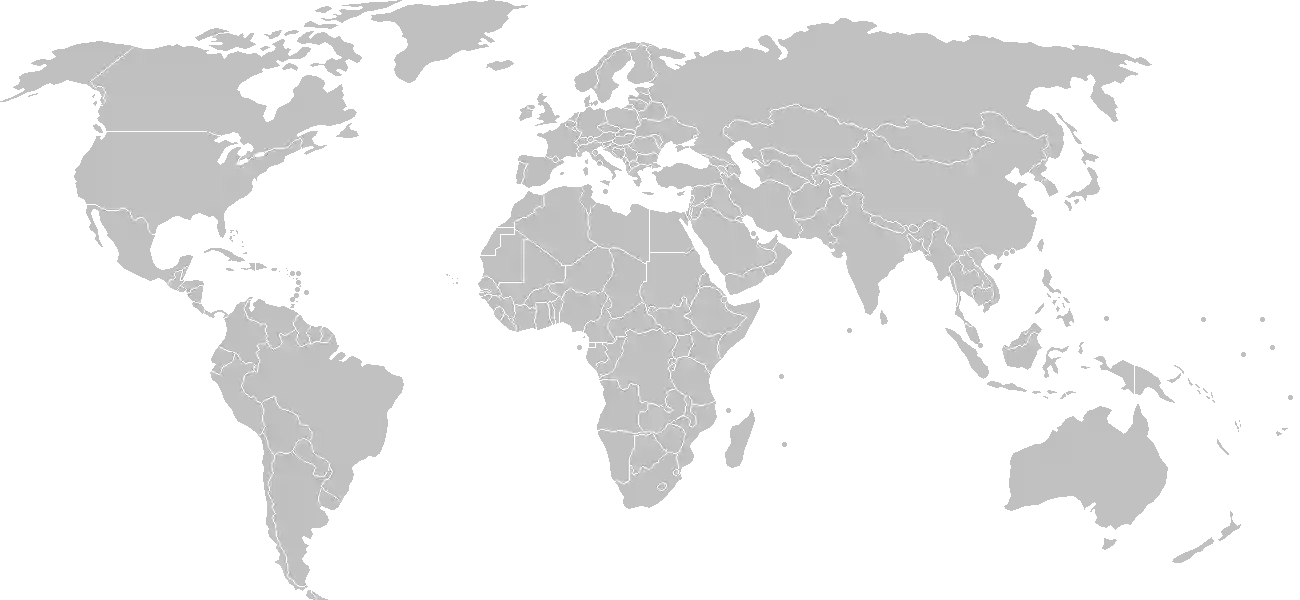
The Argentine Horizon: Where Geography Meets the Soul
To speak of Argentina is to speak of distance. It is a nation of immense spatial grace, stretching like an elegant, jagged spire from the sub-tropical warmth of the north to the glacial, wind-scoured silence of the Antarctic fringe. At the southern tip of the South American continent, Argentina functions not merely as a territory, but as a vast, living theater of geography. Here, the sheer scale of the landscape has dictated the temperament of its people, the rhythms of its music, and the contours of its identity. To understand Argentina, one must embrace the dichotomy of the Pampa, those endless, golden grasslands that once defined the economic soul of the nation, and the brooding, snow-capped majesty of the Andes, which provide the jagged backbone to a country perpetually looking toward the horizon.
The Argentine experience is layered, deep, and occasionally melancholic, yet it possesses a relentless vitality. It is a land built upon layers of migration, where European aesthetics dance with Indigenous foundations and the indelible imprint of the gaucho spirit. It is this unique blending of worlds that transforms a traveler’s visit from a mere vacation into a profound study of how environment shapes human history. Whether you are seeking a scholarly look at the foundations of the state as you explore the history of Argentina or simply looking to immerse yourself in the aesthetics of the past, this land offers a curriculum unlike any other.
The Pampa and the Peak: A Geographical Duet
The geography of Argentina is characterized by extremes, and these extremes act as the nation’s natural chapters. To the west, the Andes mountains rise like a physical wall, an insurmountable barrier that has defined trade routes, climate patterns, and historical migrations. To the east, the Atlantic coast creates a soft, expansive border, while the interior is dominated by the Pampa. This vast, fertile plain was historically the engine of the nation, a place of cattle and song that provided the lifeblood of the Argentine identity. Between these two poles exist the temperate forests of the south, the arid salt flats of the northwest, and the powerful, roaring waters of the Iguazú Falls in the humid northeast.
Understanding these spaces is a cornerstone of our GeoGnos journey. We invite you to view the landscape through a different lens by engaging with our POI Cinematic Showcase, which highlights how these geographical wonders serve as the anchor points for both national heritage and natural beauty. It is the contrast between the icy stillness of the Glaciar Perito Moreno and the bustling urban architecture of Buenos Aires that teaches us that Argentina is not a monolith, but a tapestry of ecosystems and cultures.
A Chronology of Transformation
The history of Argentina is as rugged and storied as the topography of Patagonia. From the pre-colonial indigenous civilizations that cultivated the valleys to the profound social transformations of the nineteenth and twentieth centuries, the narrative arc of the country is both complex and deeply compelling. It is a story of aspiration, invention, and adaptation. Educators and students who wish to test their knowledge of this progression can challenge themselves with our History Puzzle. By arranging the defining moments of this nation in their proper order, you unlock a clearer vision of how Argentina solidified its place on the global stage.
History is not merely about dates, but about the visual continuity of a society. For those who prefer to digest this complex past through a visual narrative, our History Cinematic Showcase offers an immersive experience. It bridges the gap between static text and sensory understanding, providing students and scholars with the tools to visualize the evolution of the state, from its independence movements to its modern identity as a cultural powerhouse of the southern hemisphere.
The Cultural Tapestry
The Argentine people are perhaps the country's most fascinating feature. Shaped by immense waves of immigration and a deep, historical respect for their land, the demographic profile of the nation reflects a unique confluence of global influence. You will find that the cultural soul of Argentina is a mix of nostalgia and forward-thinking ambition. It is expressed in the intricate, rhythmic tension of the tango, the contemplative drinking of yerba mate, and the intellectual fervor that permeates the cafes of every major city.
This spirit extends from the classroom to the kitchen and from the mountain range to the shipyard. In our GeoGnos examination, we celebrate this diversity as the defining characteristic of a modern, open, and vibrant society. Argentina invites you not just to observe its geography, but to participate in its history and appreciate its complex role in the world community. It is a nation that remains in a constant state of evolution, forever influenced by the sweeping plains of its heartland and the towering peaks that guard its borders.
As you navigate these pages, consider the relationship between the earth and the Gnos, the geography and the knowledge. Every glacier, every field of grass, and every cobblestone street in Buenos Aires has a story to tell. Argentina is not merely a stop on the map of the world, but a classroom of the spirit, waiting to be learned and deeply felt by all who visit.