The Continental Heartbeat of the South
To stand upon the soil of Brazil is to step into a landscape where the sheer scale of geography defies the limitations of human perception. Spanning nearly half of the South American continent, Brazil is not merely a country in the traditional sense; it is a gargantuan ecological and cultural cathedral. It is a nation defined by an exuberant rhythm, a place where the serpentine coils of the Amazon River weave through the lungs of the world, while the bustling, sun-drenched metropolises lean outward toward the vast expanse of the Atlantic Ocean. To understand Brazil, one must first recognize its duality, as it balances the wild, untamable essence of the tropics with a sophisticated, polyglot urban civilization that has refined the art of living with profound passion.
The story of this land is written in layers, deeply etched into the topography and the soul of its people. Whether you are a student exploring the intricacies of human migration or a traveler seeking to uncover the layers of the past, you can gain a deeper perspective when you explore the comprehensive history of Brazil. This narrative path takes us from the ancient indigenous civilizations that thrived in deep symbiosis with the rainforest to the profound shifts of the colonial era, independence, and the modern emergence of a global powerhouse.
The Geography of Abundance and Connection
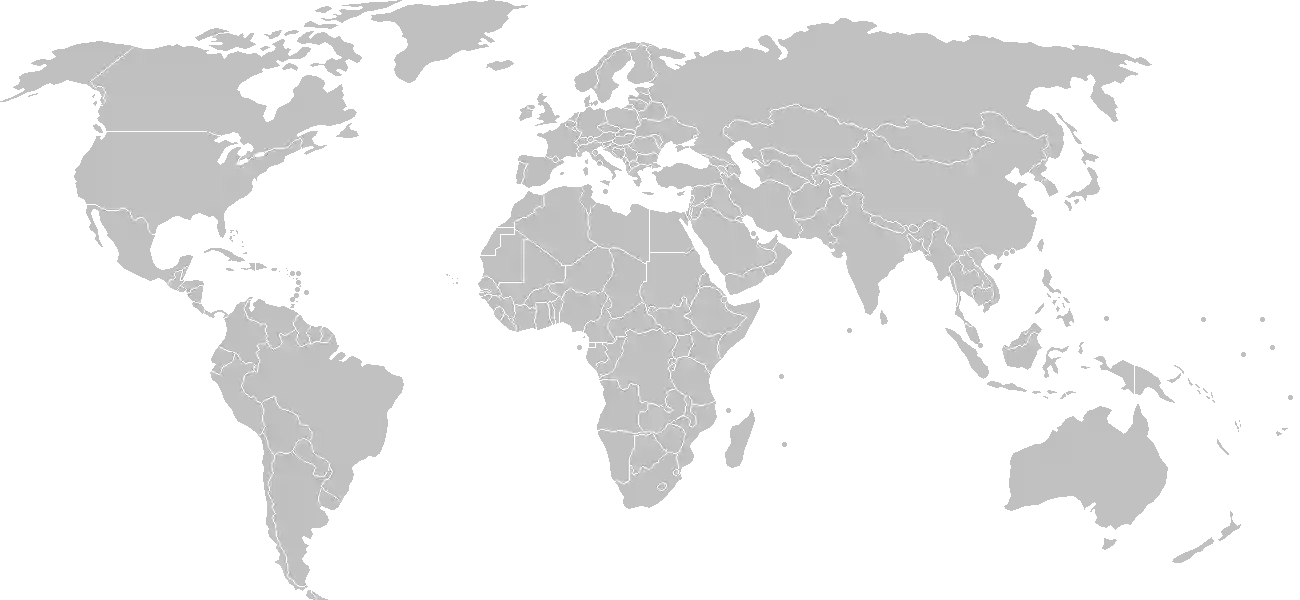
The physical body of Brazil is a masterwork of natural engineering. It occupies the majority of the eastern seaboard of South America, sharing borders with every nation on the continent except for Chile and Ecuador. Its interior is defined by the massive Amazon Basin, an intricate network of waterways that sustains a staggering percentage of the planet's terrestrial biodiversity. Moving away from the dense jungle canopy, the landscape transforms into the rolling plateau of the Brazilian Highlands, descending finally to the iconic golden beaches that have become symbols of the Brazilian spirit.
To visualize the tapestry of this immense nation, we must engage with its evolution through time. If you wish to challenge your understanding of the major moments that shaped this region, you might find joy as you play the interactive Brazilian history chronology puzzle. By ordering the defining milestones of its past, you unlock a clearer picture of how this country transitioned from colonial shores to the diverse democracy it is today. Educational engagement is the cornerstone of our mission at GeoGnos, and these chronological challenges provide a bridge for students and lifelong learners to grasp the weight of the years.
A Cultural Mosaic Forged in History
Brazil is the world’s most successful synthesis of cultures. The cultural landscape is an enduring testimony to the interweaving of indigenous traditions, European heritage, African influences, and substantial migrations from the Middle East and Asia. This diversity is not simply observed; it is performed. From the intricate architectural legacy of the baroque cities like Ouro Preto to the rhythmic innovation of samba that pulses through Rio de Janeiro, every corner of the country expresses a vibrant, inclusive identity. The narrative of this nation is a testament to the resilience of the human spirit when placed in a crucible of rich, expansive nature.
To truly grasp the vivid intensity of these transformative moments, we encourage you to experience the History Cinematic Showcase. Here, the significant chapters of Brazil’s journey are brought to life through curated imagery and summaries that place you at the center of the defining eras. These visual chronicles provide an excellent resource for classroom study and individual curiosity, ensuring that the legacy of those who walked before us remains both relevant and profoundly moving.
The Spirit of Modernity and Exploration
As we turn our gaze toward the horizon, Brazil remains a focal point for global environmental, economic, and social dialogue. The nation acts as a steward to the Amazon rainforest, while simultaneously operating as a sophisticated engine of agriculture, industry, and technology. The energy of its people, often described through the concept of "alegria" or joy, remains a defining characteristic that permeates every street festival, research institute, and bustling trade harbor. It is a country that feels larger than life, a destination that promises growth and wonder to those who approach it with a sense of respectful curiosity.
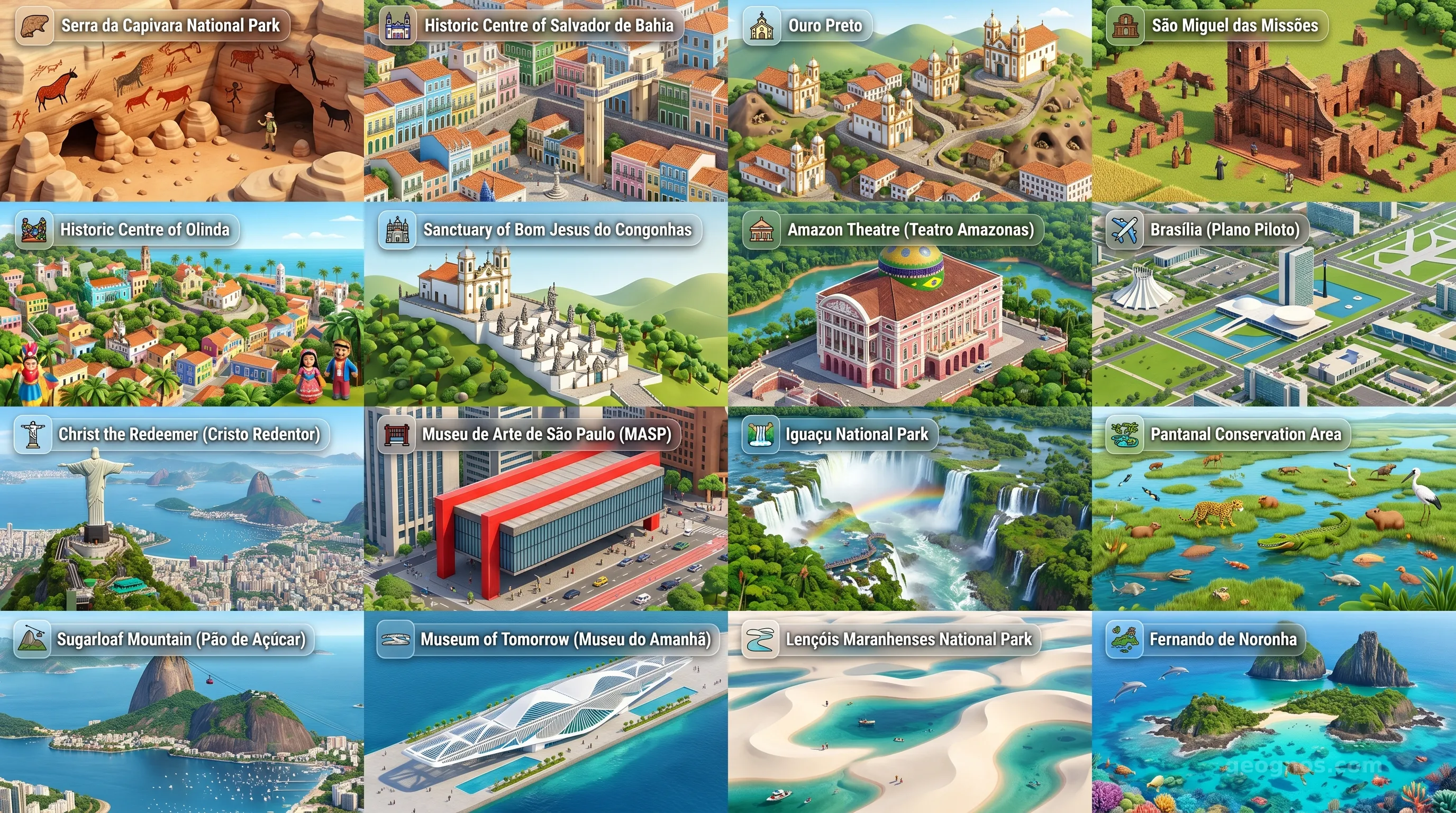
When planning your journey through this landscape, whether you are traversing the highlands of Minas Gerais, walking the historic streets of Salvador, or admiring the futuristic geometry of Brasília, utilize our localized guides to help navigate these wonders. You can prepare for your upcoming travels or broaden your geographical knowledge when you discover the Points of Interest Cinematic Showcase. This visual tour highlights the breathtaking geographical landmarks and architectural feats that make Brazil one of the most visited and studied destinations on the map. By observing the interplay between the human-built world and the breathtaking natural backdrop, you will appreciate how Brazil serves as a model for how a vast, varied nation continues to carve its unique path into the twenty-first century.