The Perfume Isles: An Introduction to Comoros
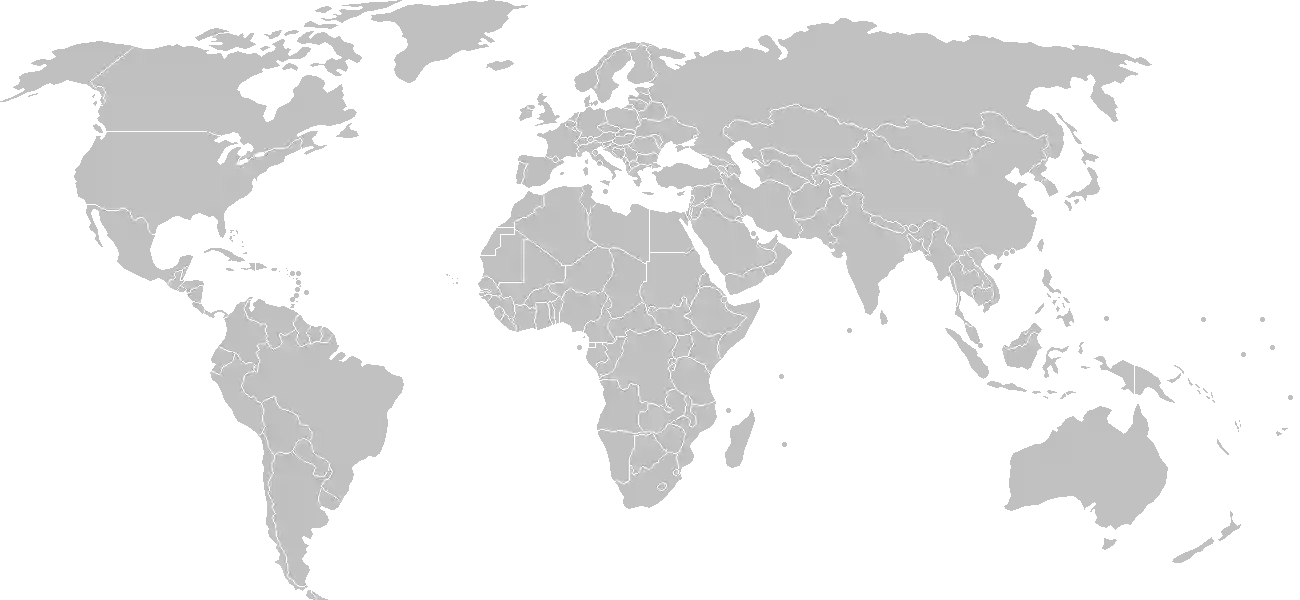
In the expansive indigo waters of the Mozambique Channel, between the southeastern coast of Africa and the northern tip of Madagascar, lies an archipelago of volcanic majesty. The Comoros, known poetically as the Perfume Isles, represent a crossroads of cultures, where the aromatic scent of ylang-ylang carries stories from Arabia, Africa, and Europe across jagged basalt cliffs and emerald valleys. To understand Comoros is to understand the ocean itself, for these islands have spent centuries as a sanctuary for sailors, a conduit for spices, and a cradle of Swahili civilization that remains as vibrant today as it was in antiquity.
The geography of the nation is nothing short of dramatic. Comoros is composed of four primary islands—Grande Comore (Ngazidja), Mohéli (Mwali), Anjouan (Nzwani), and Mayotte (Mahoré)—each born of violent subterranean fire and cooled by the gentle mist of the Indian Ocean. While they are connected by a shared geological heritage, every island boasts a distinct character, ranging from the lunar landscapes of Mount Karthala’s smoking caldera to the tranquil, coral-fringed lagoons that harbor rare marine life. This is a landscape shaped by endurance, where rugged peaks plunge into a sapphire sea, dictating the rhythm of life for those who call these islands home.
A Convergence of Horizons
The cultural soul of Comoros is defined by its synthesis. Throughout the centuries, merchants and sailors traveling the monsoon winds of the Indian Ocean anchored their dhows in these harbors, bringing with them the profound influence of Islamic theology, Swahili architecture, and Malagasy traditions. This blending of worlds is not merely an incidental historical footnote, but the very foundation of Comorian identity. It is a nation that looks outward, yet remains deeply rooted in the rhythmic traditions of village life, where the celebration of local festivals and the intricate music of the islands continue to preserve a heritage that has resisted the erasure of time.
For those eager to delve deeper into the narrative arc of this nation, one may explore the history of Comoros to understand how successive waves of sultans, spice traders, and seafaring voyagers forged a society of resilience and intellectual depth. The legacy of these islands is preserved in crumbling stone towns and the oral histories passed down through generations, serving as a reminder that Comoros was a vital maritime nexus long before modern mapping techniques defined its borders.
Learning Through Interaction and Sight
Engaging with the history of the Comoros is not an act of rote memorization but a journey of discovery. Educators and students are invited to sharpen their grasp of chronological events through our interactive history timeline, where organizing the rise of sultanates and the period of colonial navigation provides a more intuitive sense of how this nation arrived at its current status. By masterfully aligning the dates of significant cultural milestones, learners can earn recognition while building a cognitive map of the Indian Ocean's past.
To truly visualize this narrative, we invite you to immerse yourself in our history cinematic showcase. Here, the abstract concepts of cultural integration and historical transformation are brought to life through curated illustrations and descriptive vignettes. By blending auditory context with vivid historical imagery, this digital experience allows the past to resonate with the clarity of a lived memory, making it an essential tool for the modern classroom and the curious traveler alike.
The Living Canvas: Nature and Culture
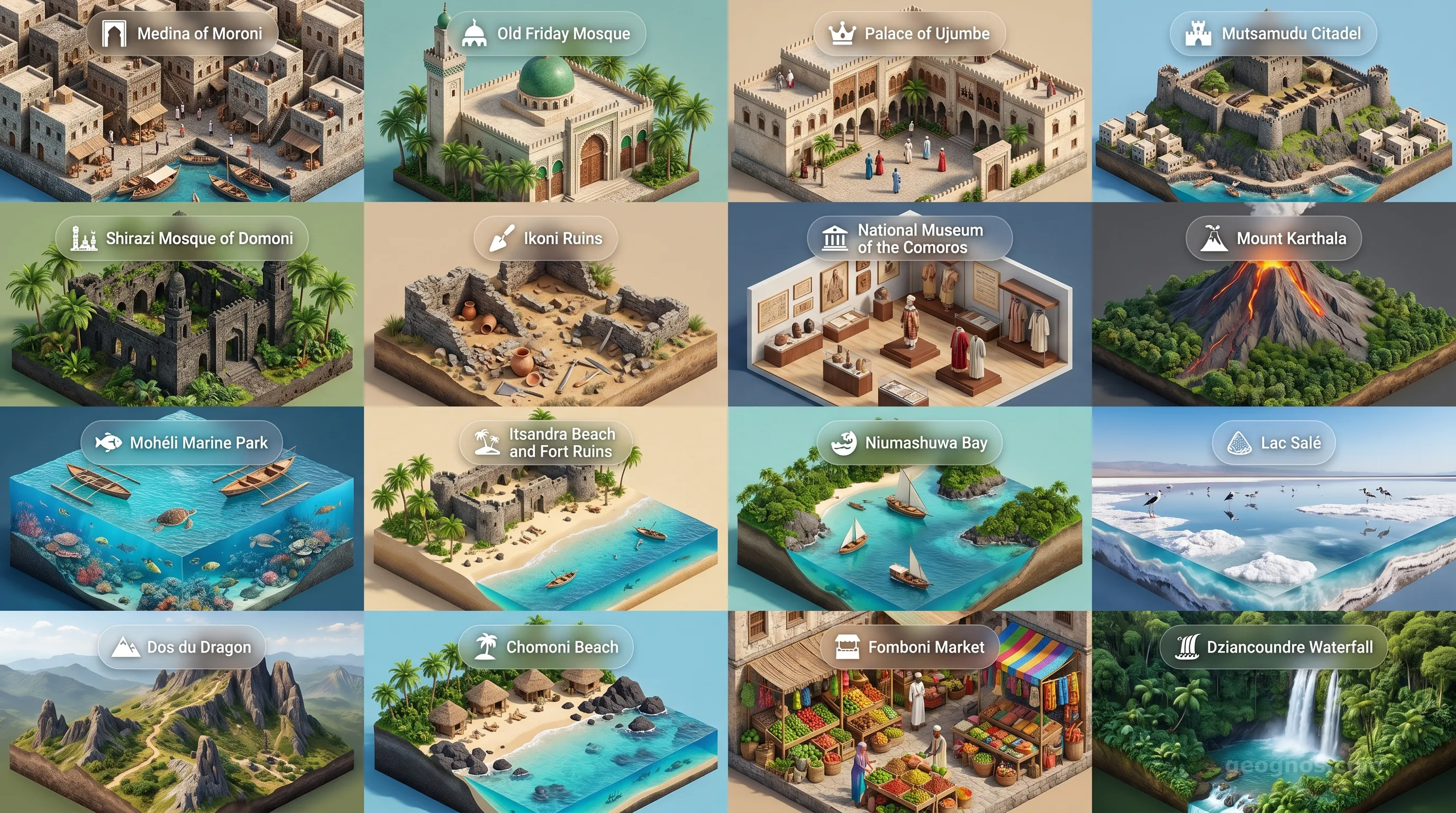
The beauty of Comoros is found as much in its natural splendor as in its historical ruins. The archipelago serves as a critical biodiversity hotspot, housing unique flora and fauna found nowhere else on the planet. From the flight of the giant fruit bat—the Livingstone’s flying fox—to the sprawling coastal forests, the environment is a testament to the isolating and creative power of island evolution. For the intrepid explorer, identifying the most significant sites is a vital part of the planning process, and we recommend that you view our POI cinematic showcase. This carousel of images and descriptions highlights the architectural elegance of the ancient mosques, the raw power of the lava fields, and the serene beaches that form the backbone of the Comorian experience.
As you delve into the remaining sections of our atlas—from the scientific breakdown of the nation's volcanic geology to the intricate data concerning its modern economy and energy sectors—remember that the soul of Comoros resides in the balance of its natural elements. It is a country that thrives on the gentle exchange between land and sea, and between the old world of the monsoon traders and the new world of international connectivity. Whether you are an academic examining the sociology of island nations or a traveler planning a voyage into the heart of the Indian Ocean, Comoros offers a unique vantage point: a chance to stand on the edge of a continent and watch the horizon fold into the future.