The Sentinel of the Northern Gulf
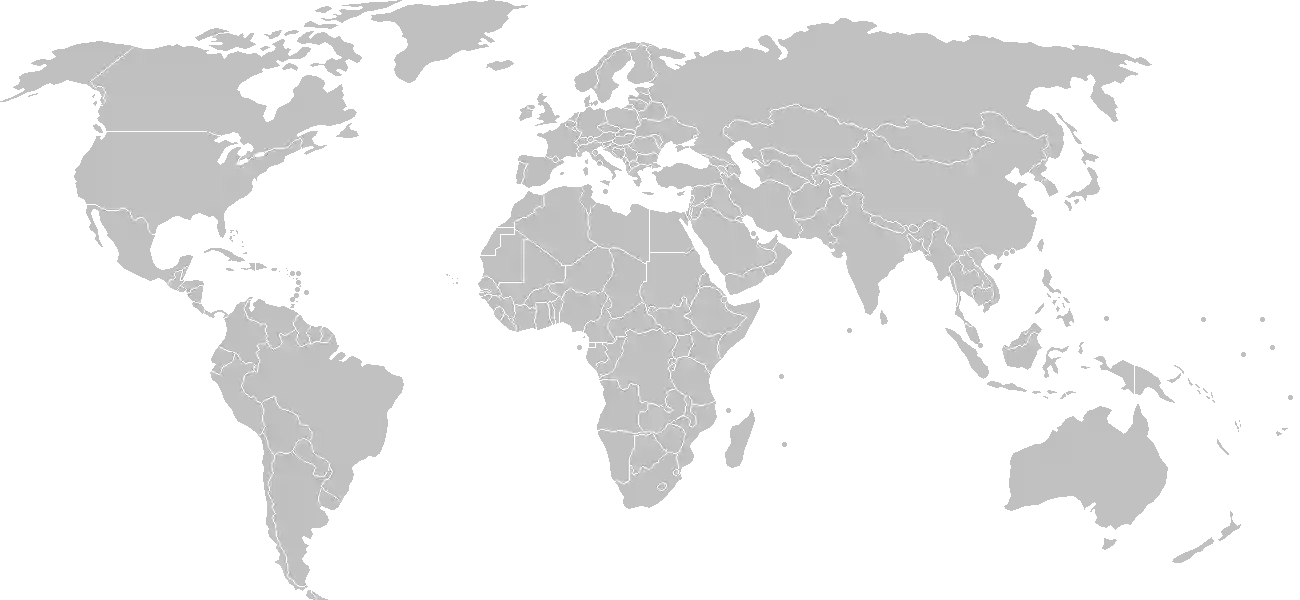
Kuwait is often described as a land of sharp contrasts, a small nation that defies its modest geography through a profound historical presence. Positioned at the northeastern corner of the Arabian Peninsula, it sits at a critical intersection where the ancient tides of the Persian Gulf meet the sweeping, arid expanse of the vast desert. To look at Kuwait is to look at a triumph of human resilience. It is a place where the shimmering heat of the hinterland gives way to a coastline that has, for centuries, served as the primary gateway for trade, pearling, and the exchange of ideas between the East and the West.
For the student of history or the curious traveler, understanding this nation requires peeling back the layers of its transformation from a modest port town into a sophisticated, modern state. If you wish to understand the long narrative of how this society weathered the storms of regional change and maritime competition, you should explore the comprehensive history of Kuwait, where detailed accounts and academic guides illuminate the evolution of its people. The narrative of Kuwait is not merely one of oil and industry, but one of a persistent spirit that has mastered the challenges of a desert climate to build a distinctively vibrant culture.
A Crucible of Cultural Chronology
To grasp the timeline of the Kuwaiti experience, one must appreciate the rhythm of its growth. The trajectory from a small dhow-building community to a regional powerhouse is a story told in the echoes of trade winds and the development of diplomatic navigation. This evolution is perhaps best visualized by tracing the events that defined the nation. You can engage with these formative moments through our interactive history puzzle, a tool designed to help learners and historians alike piece together the chronological shifts that led to the formation of modern Kuwait while earning badges for your mastery of the timeline.
For those who prefer a more sensory engagement with the past, the nation’s legacy is captured through vivid imagery and recorded milestones. We invite you to experience the history cinematic showcase, which presents the pinnacle of Kuwaiti events through an immersive carousel of historical illustrations. These windows into the past serve to bridge the gap between ancient seafaring traditions and the dawn of the twentieth century, providing context for the architectural marvels that define the modern city skyline today.
The Architecture of Modernity and Tradition
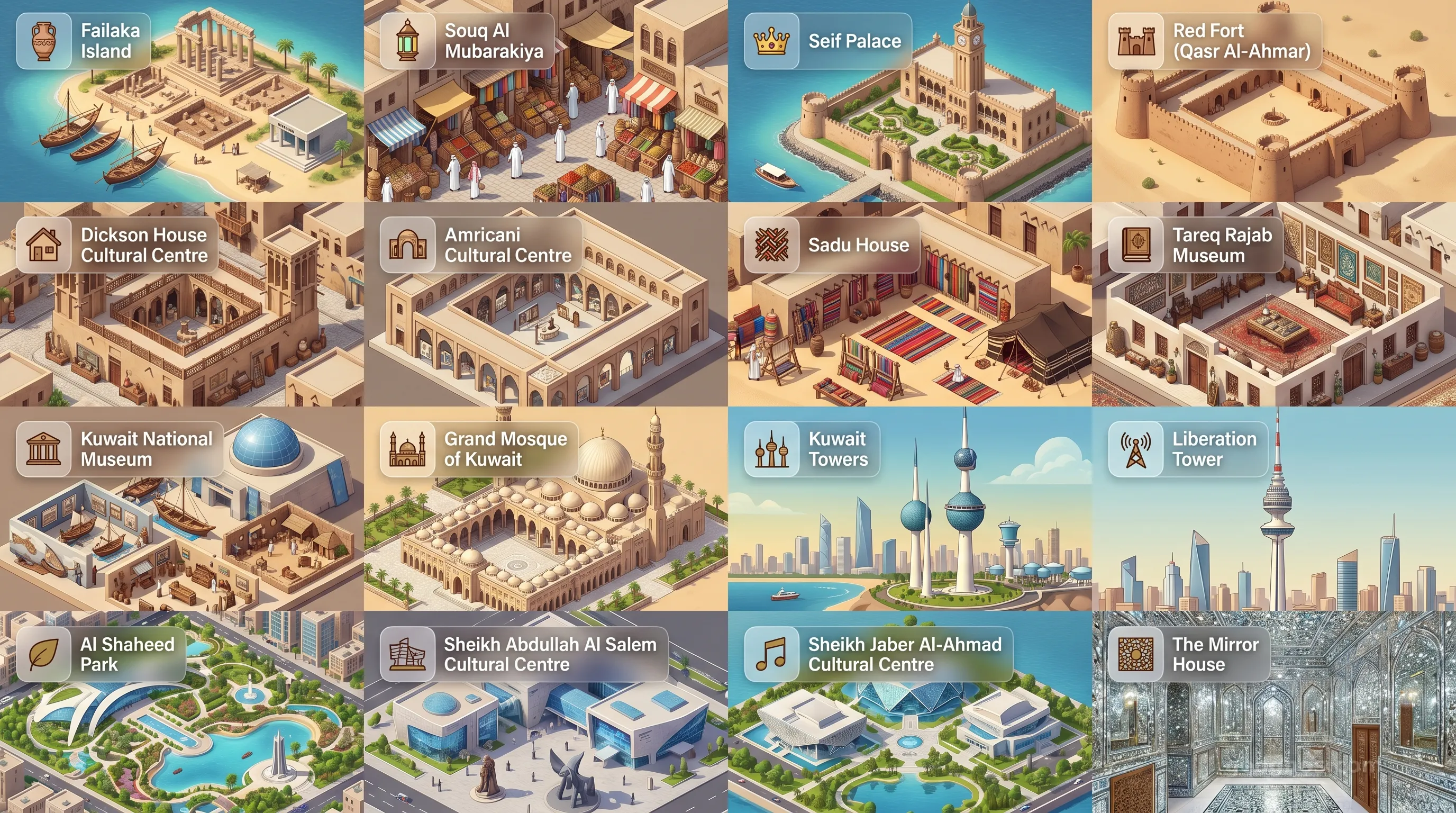
Kuwait City, a shimmering oasis of glass and steel reflecting the cerulean hues of the Gulf, is a testament to the nation’s commitment to growth. The skyline is dominated by the iconic Kuwait Towers, three graceful spheres that have become the defining silhouette of the nation. These structures do not exist in isolation; they are part of a broader landscape where traditional souqs and modern shopping districts coexist in a uniquely Arabian harmony.
The beauty of Kuwait lies in its public spaces, the quiet elegance of its national mosques, and the sprawling maritime traditions that still pulse through the harbor. To appreciate the visual tapestry of the nation, from the intricate geometry of the Grand Mosque to the tranquil expanses of its public islands and preserved mangroves, take a journey through our POI cinematic showcase. This visual tour serves as both a roadmap for the prospective traveler and a deep-dive research resource for students documenting the intersection of modern urban planning and cultural heritage in the Middle East.
The Geographic Soul of the Peninsula
The geography of Kuwait is a deceptive simplicity. It is predominantly flat, a desert plateau that slopes gently toward the waters of the Gulf. Yet, beneath this quiet surface lies a vital strategic geography that has determined the country’s fate since antiquity. Kuwait possesses no permanent rivers, a fact that historically made the presence of the coast and the harvesting of groundwater sources paramount. Today, the nation has pioneered desalination technology, essentially conquering its environment to sustain a thriving population.
As you delve further into the physical environment and the social structure of this country, remember that Kuwait’s character is rooted in its openness to the sea. The sea provided pearls, which fed the economy for centuries, and later, the maritime trade routes that connected the Mesopotamian civilizations to the rest of the world. It is this outlook, directed outward across the waves, that has forged a people characterized by their diplomatic prowess and their inclusive spirit. Kuwait stands today not just as a location on a map, but as a living example of how a nation maintains its identity through a deep respect for the past while boldly embracing the possibilities of the future.
Educational Perspectives on a Changing Land
For educators and researchers utilizing this resource, Kuwait offers an unparalleled case study in sustainable development and rapid social evolution. From its unique governmental structure that fosters deep civic engagement to its extensive investment in arts, education, and cultural preservation, there is a wealth of knowledge to uncover. As you move forward to explore the sections on population demographics, environmental conservation efforts, and the intricacies of the local economy, consider how each of these pillars supports the broader Kuwaiti identity.
We invite you to treat this atlas page as a foundation for discovery. Whether you are analyzing the tectonic shifts in its regional economic policy or simply planning your first visit to witness the warmth of Kuwaiti hospitality, the materials here have been crafted to offer a nuanced, respectful, and thorough perspective. Welcome to GeoGnos and our dedicated portrait of Kuwait, a small nation with a massive legacy that continues to resonate across the global landscape.