The Fertile Crescent of the Caribbean: An Introduction to Saint Kitts and Nevis
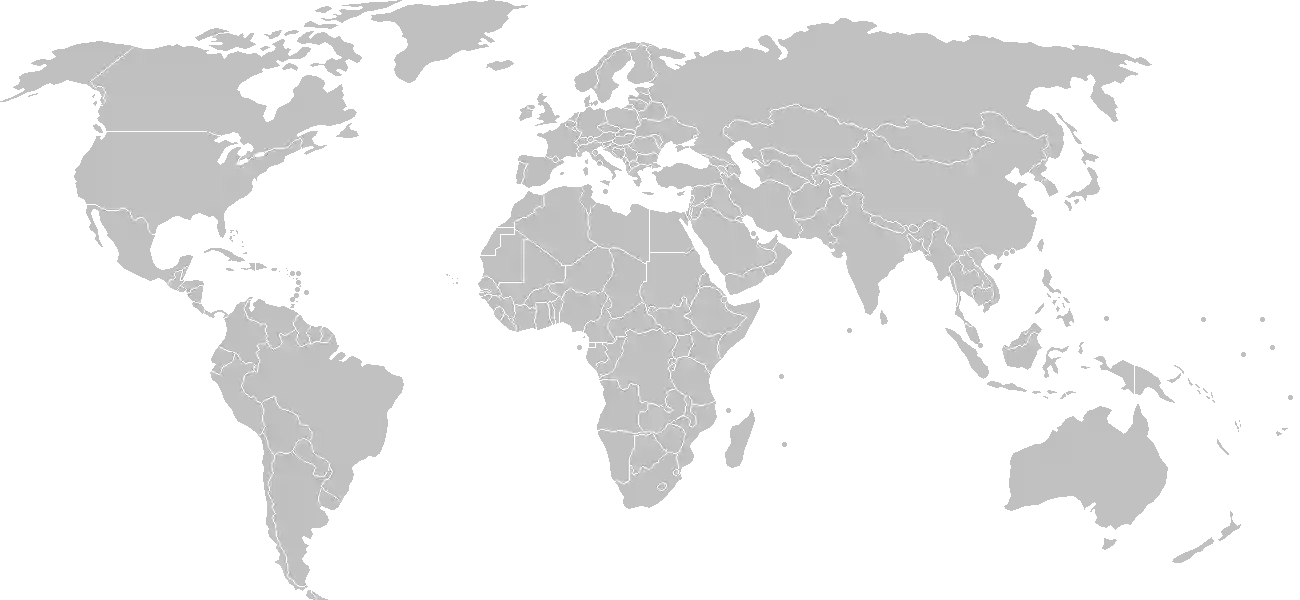
Rising like emerald pillars from the sapphire expanse of the Caribbean Sea, the twin-island federation of Saint Kitts and Nevis possesses a geography that feels both dramatic and intimate. Often referred to as the mother colony of the West Indies, these islands have served as a crucible for European colonial expansion, a haven for trade, and a stunning testament to the geological volatility of the Lesser Antilles. To stand upon the volcanic ridges of Saint Kitts, with the dormant Mount Liamuiga piercing the clouds, is to understand why this landscape has remained a focal point of maritime history for centuries. Nevis, separated by a shallow channel known as the Narrows, offers a gentler, more circular silhouette, dominated by the majestic Nevis Peak and surrounded by reefs that pulse with the rhythm of the tides.
The Echoes of an Imperial Crossroads
The identity of the federation is inextricably linked to the volcanic soil that defines its terrain. This nutrient-rich earth, forged in the fiery crucible of subduction zones, fueled the expansive sugarcane plantations that once defined the regional economy. However, beneath the aesthetic allure of rolling cane fields and colonial ruins lies a complex and profound narrative. To fully grasp the forces that molded these islands, you are encouraged to explore the comprehensive history of Saint Kitts and Nevis, where the arrival of European powers, the labor of enslaved peoples, and the subsequent path to sovereignty are meticulously documented. It is here that we learn how two small islands came to play such a disproportionate role in the evolution of the global Atlantic trade network.
Chronology as a Canvas of Progress
History in the Caribbean is not merely a collection of dates, but a layered experience that demands an active engagement with the sequence of events. For those who find the study of time both challenging and rewarding, our interactive tools provide a gateway into the past. We invite you to test your mastery of the island's timeline by participating in the Saint Kitts and Nevis history puzzle. By arranging key events in their proper order, you gain more than just knowledge. You earn unique digital badges that serve as a testament to your understanding of the major shifts in government, culture, and social structure that have transpired within these borders over the last five hundred years.
A Visual Symphony of Land and Sea
One of the true joys of GeoGnos is our ability to bring the aesthetic beauty of distant nations directly into the learning space. The landscape of Saint Kitts and Nevis is as varied as it is vibrant, ranging from the black sands of Dieppe Bay to the soft, golden stretches of Pinneys Beach. Our digital collections allow you to visualize these shifts without leaving your desk. You can immerse yourself in the history cinematic showcase, a carefully curated collection of illustrations that depicts the island's most iconic moments with artistic precision. This visual storytelling acts as a bridge between dry text and the visceral reality of historical struggle and triumph, ensuring that the legacy of those who walked these shores remains vivid for future generations.
Traversing the Architectural and Natural Landmarks
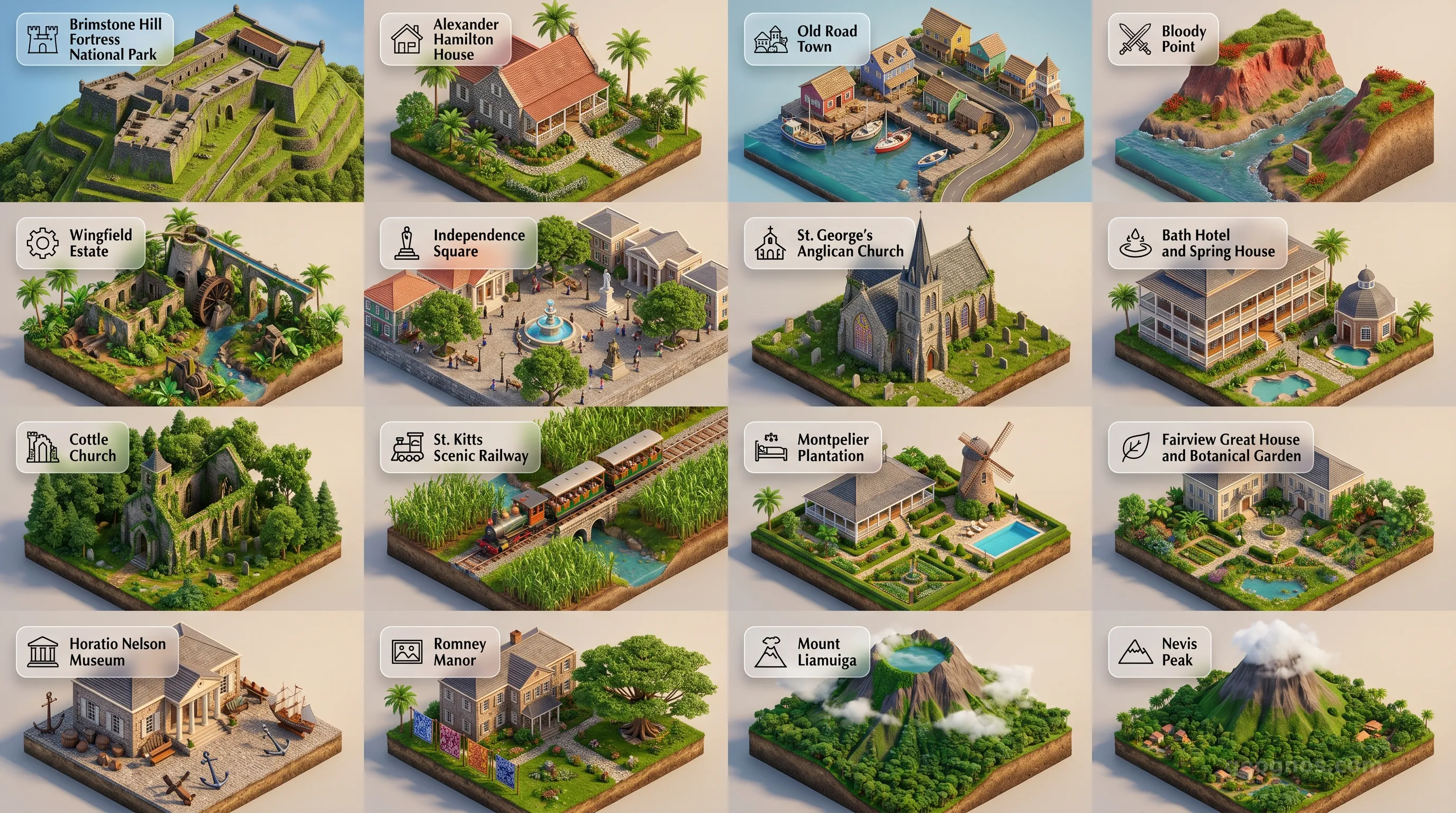
Beyond the pages of history, the physical reality of Saint Kitts and Nevis offers a bounty for the senses. From the imposing ramparts of the Brimstone Hill Fortress, a UNESCO World Heritage site known as the Gibraltar of the West Indies, to the quiet, medicinal hot springs of Nevis, the nation acts as a living museum. Each point of interest tells a specific tale, whether of colonial engineering prowess or the island's rich geothermal character. We invite you to view the Saint Kitts and Nevis points of interest cinematic showcase to explore the landmarks that every student, professor, and traveler should know. Seeing these locations through a high-definition lens provides the context necessary for anyone planning to step onto these islands to appreciate the harmony between human ingenuity and volcanic natural design.
The Modern Soul of the Twin-Island State
Today, the Federation of Saint Kitts and Nevis stands as a sovereign leader in the Caribbean, balancing the preservation of its ecological integrity with the demands of a modern global economy. Its inhabitants, known as Kittitians and Nevisians, carry a cultural heritage that draws from African, British, and indigenous influences. This unique blending is reflected in the vibrant Carnival celebrations, the rhythmic pulses of calypso music, and a culinary tradition that utilizes the very fertile land that once fueled empires to feed a thriving tourist and agricultural industry. Understanding Saint Kitts and Nevis requires acknowledging that while the islands are physically separated by a small channel of water, they are bound together by a common purpose and an unwavering spirit of independence. As you proceed through the remaining sections of our web portal, keep in mind that the statistics, maps, and government reports provided here are but the scaffolding for a much deeper human story, a story that begins with the sea and ends with a culture as enduring as the volcanic mountains themselves.