The Heartbeat of the Great Rift: Burundi’s Undying Rhythm
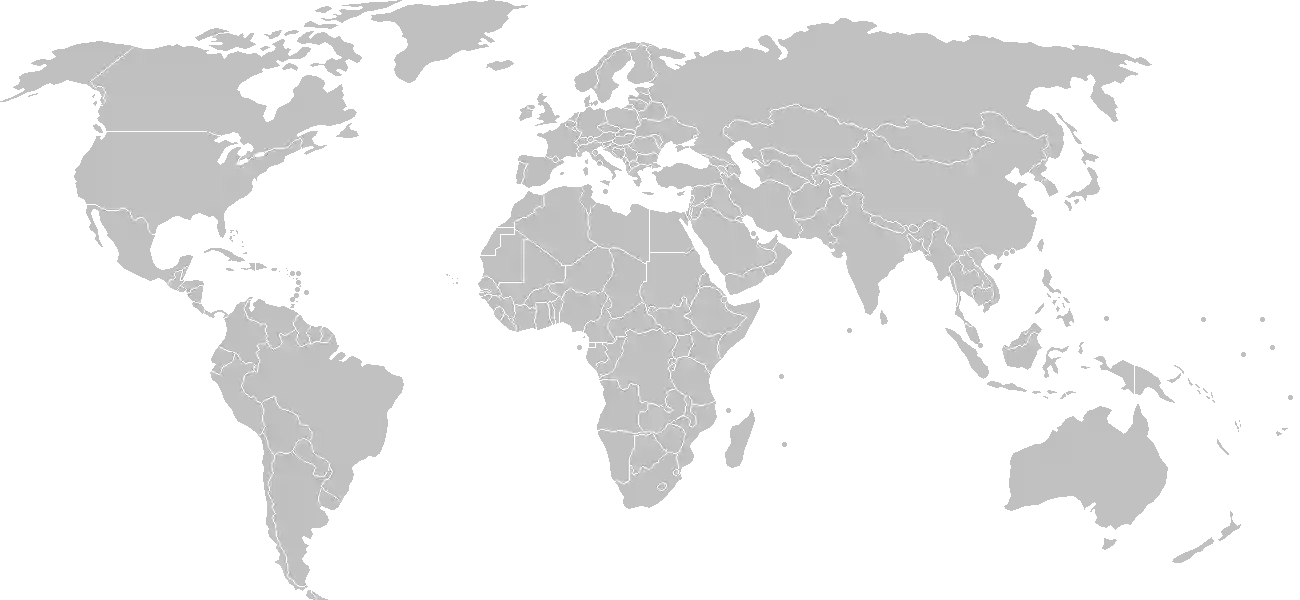
There is a place in the shimmering expanse of East Africa where the earth rises to touch the sky and drops to cradle some of the world's most ancient waters. Known as the Heart of Africa, Burundi occupies a unique geographical position upon the shoulder of the Albertine Rift. It is a nation of intense green hills, a thousand summits draped in the mist of the morning, and the steady, pulse-like presence of Lake Tanganyika. To understand Burundi is to understand the interplay between vertical geography and human resilience. This is a land where the culture is etched into the very soil, defined by the drumming that vibrates through the valleys and the winding mountain passes that have served as conduits for migration, exchange, and community for centuries.
For the student, the traveler, and the curious mind, Burundi offers a masterclass in the resilience of human civilization. While the landscapes suggest tranquility, the story of this nation is a tapestry of complexity, endurance, and profound cultural evolution. By inviting you to explore the history of Burundi, we open a gateway into a saga that spans the rise of ancient kingdoms, the arrival of complex societal structures, and the vibrant modern nation that greets us today. Every valley in this country has a narrative, and every crest in the hills marks a page in a story that is still being written.
Topography as Destiny: The Land of a Thousand Summits
Burundi does not exist on a flat plane. It is a crumpled sheet of high plateaus and steep mountains that descend from the Congo-Nile divide toward the deep basin of the Great Lakes. This dramatic topography has historically shielded the nation while simultaneously forcing its inhabitants to adapt to isolated ecosystems, creating a unique regional identity within every hillside district. The central plateau, elevated high above the sea, experiences a temperate climate that defies the expectations of an equatorial nation. It is a landscape defined by verticality, where the clouds often weave through the mountain villages, grounding the people in a daily reality of elevation and clarity.
For those who wish to visualize the progression of the events that transformed these mountains and shores, our interactive history puzzle allows you to engage with the chronology of Burundi’s development. By sorting the eras of political transition and societal shifts, learners gain a tactical understanding of the forces that shaped modern borders and national identity. It is a challenging yet rewarding way to master the timeline of this central African jewel.
The Life-Giving Waters of Tanganyika
No account of Burundi is complete without mentioning the influence of Lake Tanganyika. As the world's second deepest and second oldest freshwater lake, it functions as the country’s maritime soul. The shores are alive with the sounds of fishermen, the rhythmic lap of waves against white sand beaches, and the movement of goods that connect Burundi to the rest of the Great Lakes region. This vast liquid horizon provides a stark, beautiful contrast to the towering mountains, creating a geographical duality that dictates the rhythm of daily life. The lake acts not as a barrier, but as a bridge, inviting commerce and connection in a manner that has sustained civilizations for millennia.
A Culture of Echoes and Resilience
The cultural heartbeat of Burundi is most famously expressed through the royal drums. These are not merely musical instruments; they are historical artifacts of profound status, representing the power and continuity of the people. To see the drummers is to see a physical performance of gravity and grace, where the heavy, intricate rhythms create a sound that travels for miles across the rugged landscape. This musical tradition serves as a testament to the longevity of Burundian culture, a bridge connecting the traditions of the royal court to the festivals and gatherings of today’s diverse citizenry.
To fully appreciate the sensory environment of the nation, we invite you to immerse yourself in our history cinematic showcase. Through a curated sequence of imagery, you can observe the transitions of power and cultural expression that define the national spirit. The presentation honors the artistic legacy of the region while providing context for the evolving social fabric that characterizes Burundi’s demographic strength. By blending visual storytelling with analytical observation, we hope to convey the profound, steady heartbeat of a nation that refuses to be defined by a single moment, but rather by an eternity of endurance.
Embarking on the Burundi Expedition
Beyond the mountains and the lakes lie the hidden pockets of natural beauty and urban centers that comprise the heart of Burundi. From the verdant coffee plantations that produce some of the most sought-after beans in the global market to the bird-rich wetlands that serve as essential ecological corridors, the diversity of the land is immense. Whether you are conducting a field study on geography or planning a journey to witness the Great Lakes region firsthand, the complexity of this nation will capture your imagination.
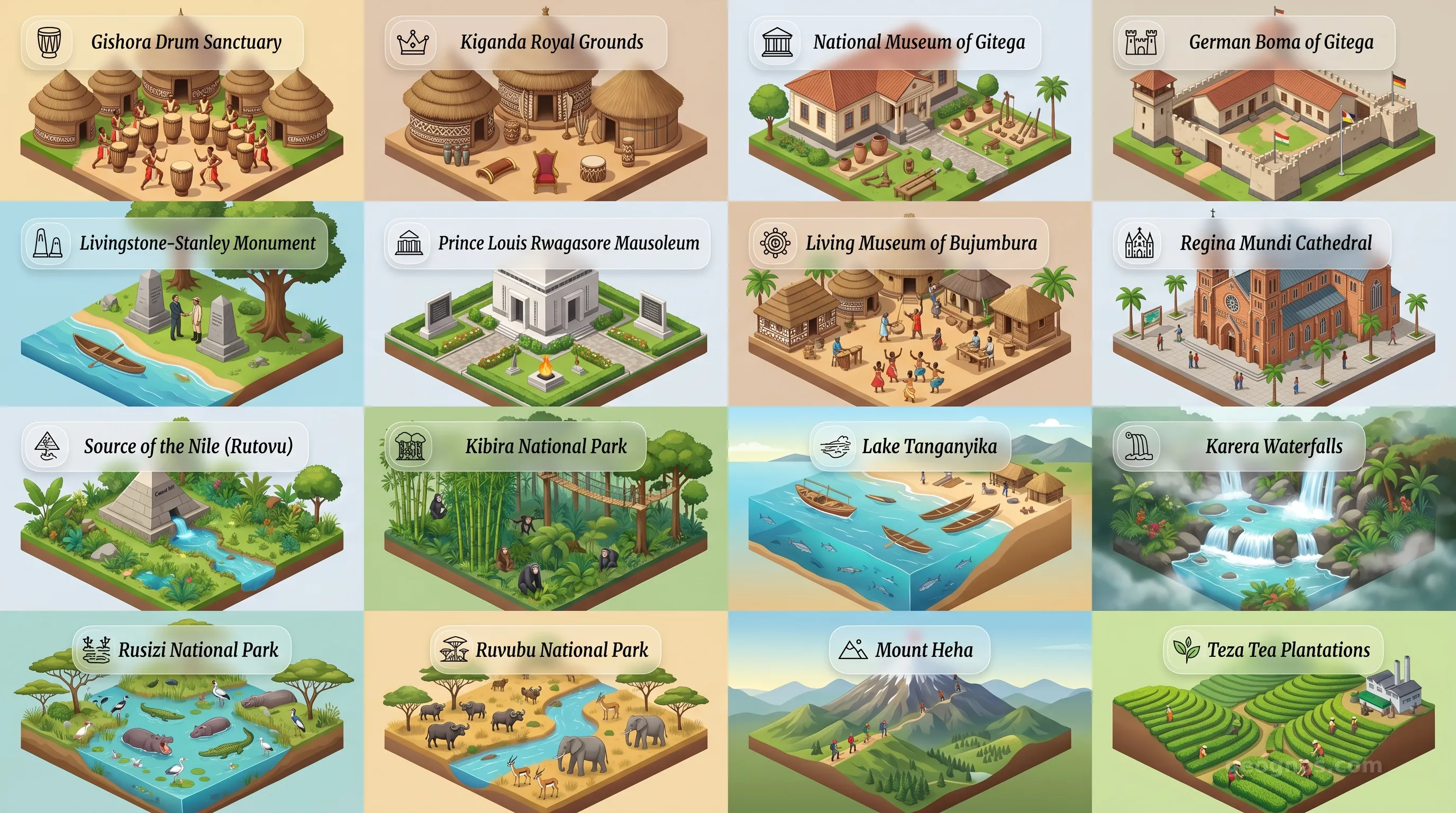
We encourage you to utilize our POI cinematic showcase to explore the specific landmarks, from the Rusizi National Park where hippos wallow in the silt of the river mouths, to the serene altitudes of the tea-drenched highlands. These locations offer a visual guide for the traveler, detailing the specific terrain, architecture, and biodiversity that make Burundi an indispensable stop on any intellectual tour of the African continent. Through GeoGnos, we strive to bring you closer to the rhythm of this nation, providing the context and the visual depth required to appreciate its true, undying soul.