The Heart of the Balkans: An Introduction to Kosovo
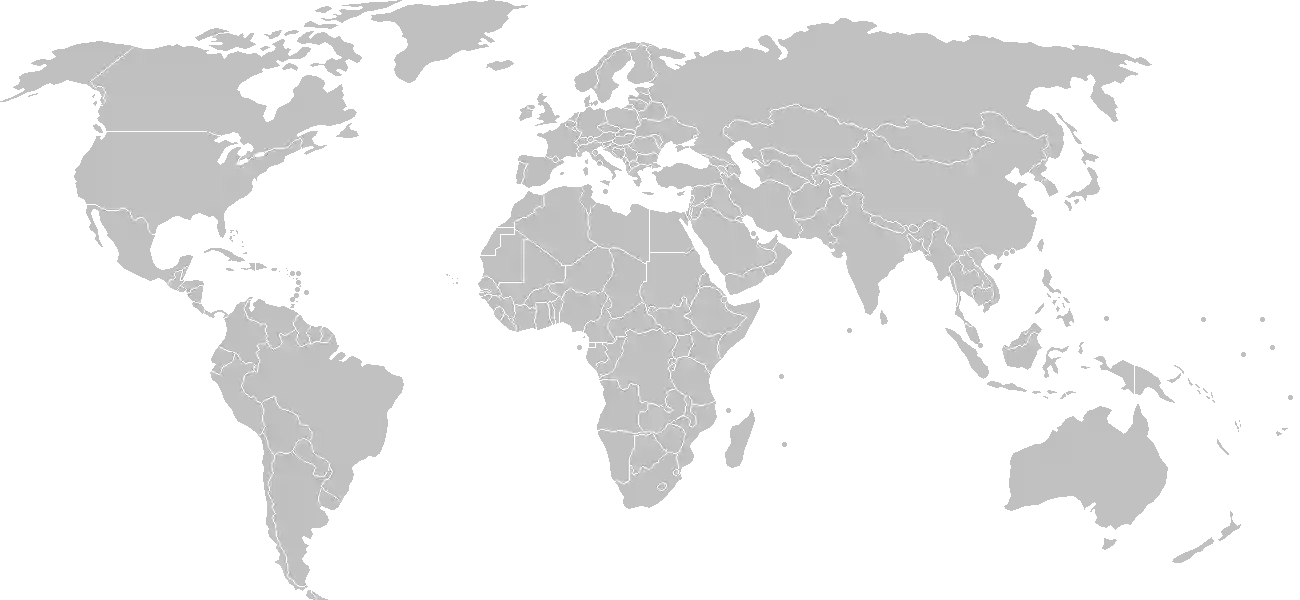
To understand the soul of Kosovo, one must first envision a landscape defined by the dramatic tension between soaring, serrated peaks and fertile, rolling plains. Nestled deep within the Balkan Peninsula, this nation acts as a terrestrial bridge, a land where the echoes of ancient civilizations converge. Known as the youngest country in Europe, its vitality is rooted in a tradition that is thousands of years old. For the traveler, the educator, and the curious student, Kosovo is not merely a geographic point on a map. It is a living, breathing synthesis of Byzantine architecture, Ottoman influences, and a resilient, forward-looking contemporary culture.
As you begin your journey across this high-altitude terrain, it helps to ground your understanding in the narrative of the past. Those who wish to grasp the complex tapestry of shifting empires, cultural movements, and the foundational events that shaped this territory should explore the comprehensive history of Kosovo, where the saga of the region is unfolded through scholarly inquiry and illustrative evidence.
A Landscape of Extremes
The geography of Kosovo is dominated by two massive high-ground corridors: the Sar Mountains in the south and the Albanian Alps in the west. These towering barriers have historically served as both a protective embrace and a defining boundary for the nation’s diverse interior plains, known as the Dukagjini and Kosovo valleys. This unique interplay of altitude and low-lying agricultural plains has fostered a biodiversity that remains largely hidden to the wider world. Whether it is the pristine water of the White Drin or the jagged beauty of the Prokletije range, the physical environment of Kosovo is a testament to the raw, unadulterated power of the earth.
For students and researchers seeking to test their knowledge of the timeline that transformed these valleys into a crossroads of human civilization, our interactive history chronology puzzle provides a rewarding challenge. Arranging the major events of the past allows you to visualize how each era layer of stone and culture sits upon the last.
The Living Museum of the Balkans
There is a rhythmic cadence to life in Kosovo, felt most keenly in the vibrant, bustling streets of its capital, Pristina, and the stone-cobbled Ottoman streets of Prizren. It is a place where modern coffee culture meets centuries-old religious traditions. You might find yourself wandering through an orthodox monastery recognized for its delicate frescoes one moment, and sitting in a modern, avant-garde cafe the next. The beauty of the country lies in its accessibility; it is a compact, dense concentration of history and hospitality.
To truly visualize the march of time through these landscapes, we invite you to experience the history cinematic showcase, a carefully curated collection that brings the critical turning points of the nation to life through stunning visuals and pedagogical summaries. It is the perfect starting point for understanding why this region has held such immense fascination for travelers, traders, and scholars throughout the ages.
A Call to the Modern Traveler
Kosovo today is a youthful nation in the best sense of the word. A majority of its population is under the age of thirty, and this youthful energy is palpable. You will see it in the rising music scene, the booming digital sector, and the vibrant arts galleries that frequently open their doors. The people of Kosovo, deeply known for their legendary hospitality, treat visitors as guests of honor, eager to share their local customs, their traditional mountain cuisine, and their optimism for the future. From the towering spires of its places of worship to the stark beauty of its mountain passes, the country invites you to observe a narrative in the process of being written.
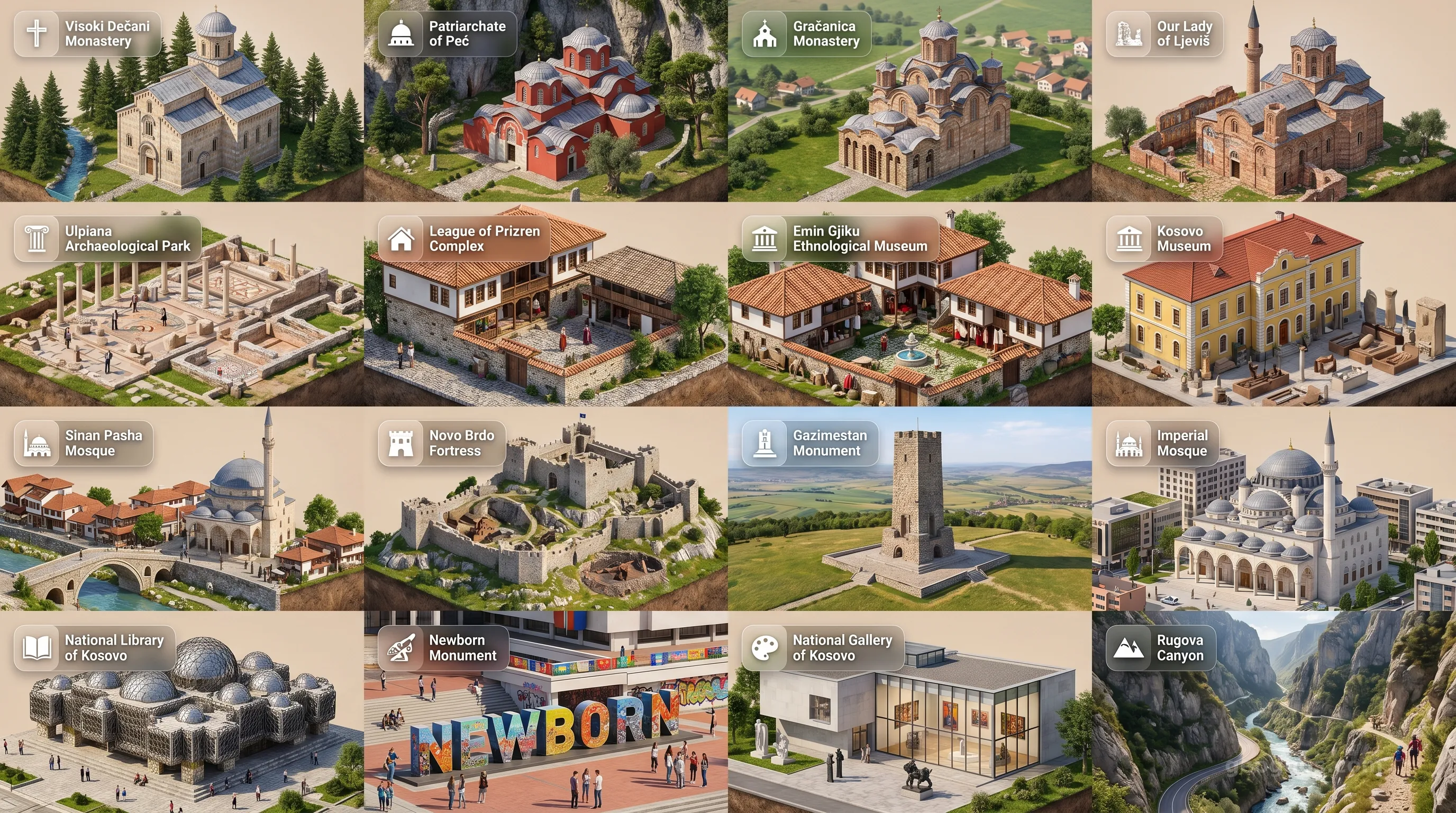
If you are planning a visit, or simply wanting to dream about the path ahead, start your virtual tour with our POI cinematic showcase. This visual tour highlights the breathtaking monuments, architectural treasures, and natural wonders that define the essence of this land. From the quiet majesty of the Visoki Dečani monastery to the mountain trails that challenge even the most experienced trekkers, these sights represent the soul of the country.
Looking Forward
As we curate these resources for the GeoGnos global atlas, we invite you to treat Kosovo as more than just a destination. View it as a case study in human resilience and cultural synthesis. It is a place that reminds us that geography is the theater where history acts out its greatest dramas. Whether you are using this content in a classroom to discuss European geopolitical shifts, or mapping out an itinerary for an authentic Balkan adventure, remember that Kosovo is a land waiting to be discovered, appreciated, and understood in all its complexities.