The Land of Poets and Ancient Horizons
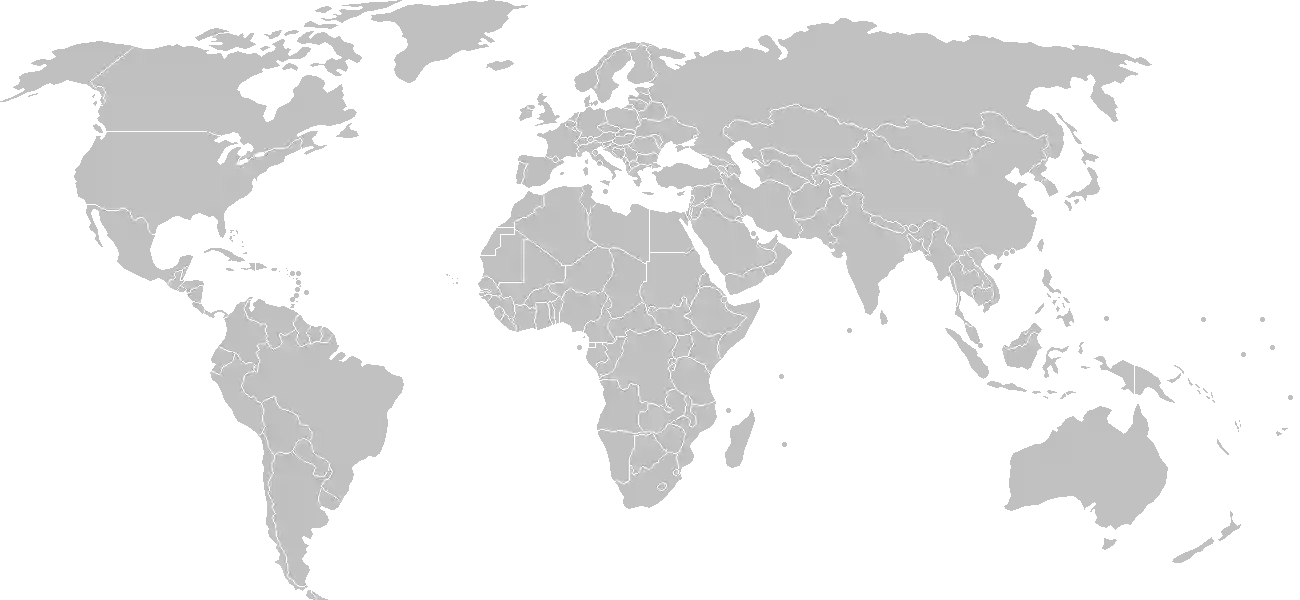
Somalia, a nation whose silhouette defines the Horn of Africa, is a landscape forged by wind, sea, and an indomitable human spirit. Often simplified by the constraints of modern news cycles, the reality of Somalia is a tapestry far richer and more nuanced than any singular headline. It is a land that juts aggressively into the Indian Ocean, acting as a gateway between the African continent and the Arabian Peninsula. Here, the geography does not just exist; it dictates the rhythm of life, from the nomadic trails that stretch across the vast arid plains to the vibrant mercantile pulses of its ancient coastal cities.
To understand Somalia is to recognize a civilization built upon the art of oration. This is famously known as the Nation of Poets. In a culture where memory was preserved not through stone monuments but through the fluid, rhythmic delivery of the spoken word, Somali language and identity have remained remarkably resilient through the shifting tides of time. The very act of storytelling here is an inheritance, a living bridge connecting the ancestors who navigated the spice routes of the ancient world to the vibrant, globalized Somali diaspora of today.
A Crossroads of Ancient Civilization
The story of Somalia is inseparable from the geography of the Red Sea and the Gulf of Aden. Long before the era of modern borders, this land was a bustling nerve center for international trade. Ancient Egyptians knew this coast as the Land of Punt, a mystical destination for their seafaring expeditions in search of frankincense and gold. This deep connection to global commerce allowed for an incredible synthesis of cultures, where Somali merchants acted as intermediaries between distant empires, infusing their own societal structure with cosmopolitan influences from Persia, India, and Arabia while retaining a distinctively indigenous core.
For those eager to understand the layers of time that built this nation, you are invited to explore the comprehensive history of Somalia, a deep dive into the chronicles that have defined the Horn of Africa over millennia. This journey through time reveals that while the political borders may have shifted, the identity of the Somali people has been one of continuity, survival, and deep-rooted pride.
Visualizing the Somali Legacy
How do we honor a past that was told in whispers and verses? Visual evidence remains one of our most potent educational tools. Because the history of the region is so expansive, spanning everything from pre-colonial sultanates to the modern era of state-building, it is best appreciated when broken down into its seminal milestones. Educators and students can gain a sense of the timeline by engaging with our interactive history puzzle. This data-driven challenge invites you to reconstruct the chronological tapestry of Somali events, earning badges as you master the narrative sequence that shaped the nation.
To further bridge the gap between ancient historical narrative and contemporary observation, we have curated an immersive experience that brings these events to life. Our history cinematic showcase provides a gallery of high-resolution illustrations and essential summaries, mapping the turning points of Somali society in a way that feels intimate and accessible. It is here that one realizes that Somali history is not merely a record of events, but a series of artistic and survivalist triumphs that continue to echo through the contemporary landscape.
Geography and the Human Spirit
Geographically, Somalia is a study in contrasts. The northern terrain is defined by the rugged Golis Mountains, which rise like a sentinel above the Gulf of Aden, creating dramatic escarpments and hidden valleys. Moving southward, the landscape flattens into the expansive, semi-arid plains known as the Haud, providing grazing lands for camels, which remain the lifeblood of the rural economy. In the fertile southwestern corridors, the Juba and Shabelle rivers carve emerald paths through the heat, sustaining agricultural communities that have farmed these alluvial soils for generations. The Somali coastline is the longest in mainland Africa, boasting azure waters and pristine beaches that offer a glimpse into the untapped beauty of this ecological powerhouse.
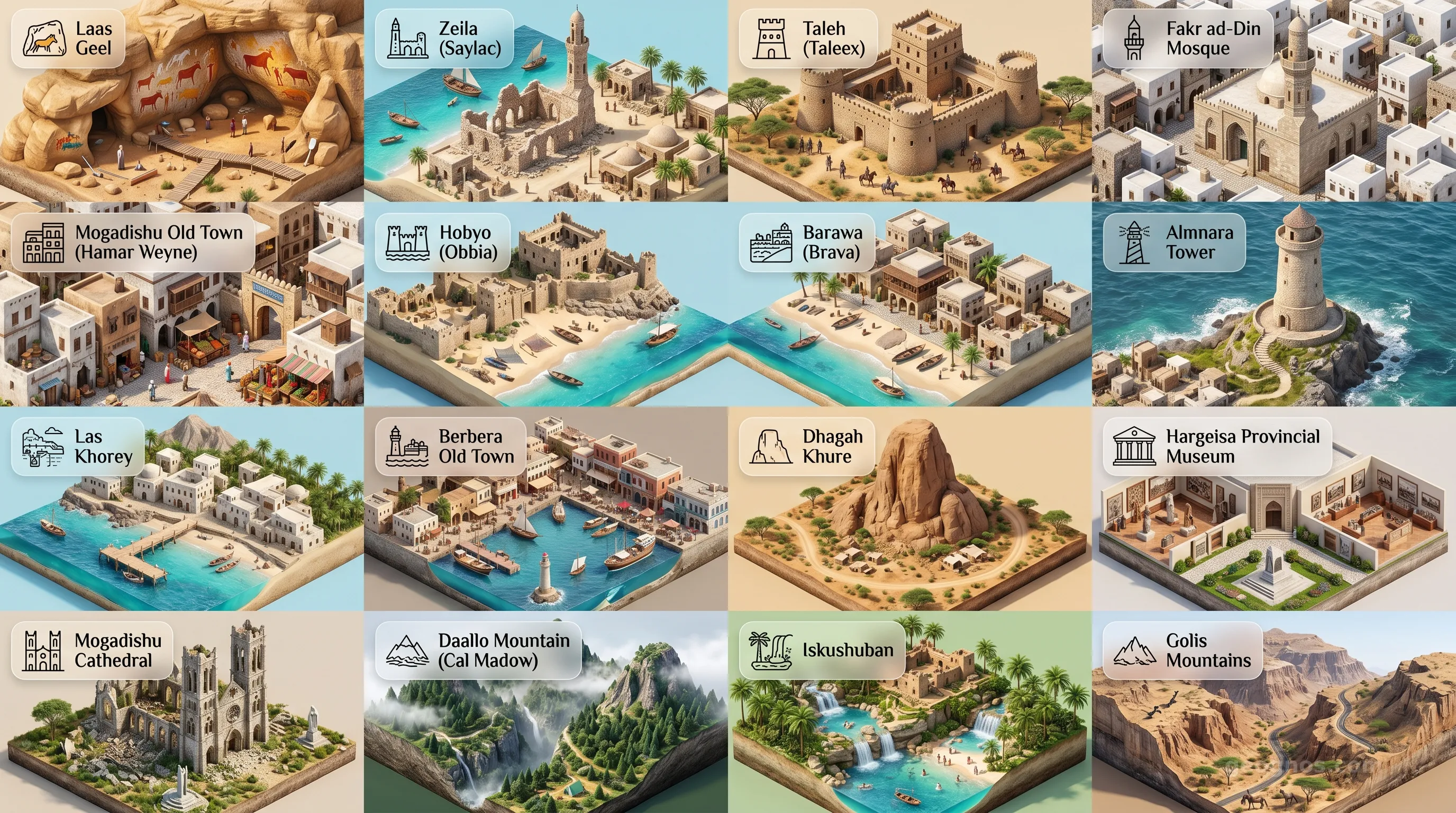
If your curiosity draws you toward the physical landmarks that distinguish this nation, we recommend viewing our POI cinematic showcase. This visual tour highlights the breathtaking vistas of the coastline, the resilient infrastructure of its storied cities, and the rugged interior terrain that has sustained Somali civilization for centuries. By understanding the environment, one begins to understand why the Somali people possess such a profound, resilient, and enduring sense of place.
The Soul of a Nation
Ultimately, Somalia is a testament to the capacity for adaptation. It is a nation that has survived the transition from nomadic pastoralism to modern urbanism with its soul—its poetic tradition, its communal hospitality, and its entrepreneurial tenacity—firmly intact. As a site dedicated to knowledge, GeoGnos invites you to view this nation not through the lens of recent transient complications, but through the enduring lens of a timeless, storied civilization.
In the pages that follow on this platform, you will find technical details ranging from the current demographics and governance structures to the intricacies of the Somali economy. Yet, as you navigate those data-heavy sections, keep the human element in focus. Whether it is the sound of a traditional lute in a tea house in Hargeisa, or the sight of sun-drenched ships arriving in the bustling port of Mogadishu, the essence of Somalia is found in the everyday, lived experience of its people. They are the architects of the Horn, the descendants of legendary explorers, and the voices that ensure the story of this ancient land continues to be written, day by vibrant day.