The Cradle of Complexity: Benin as a Living Archive
To step onto the soil of Benin is to walk upon a landscape that breathes with the rhythm of antiquity. Situated in the crook of the Gulf of Guinea, this West African nation acts as a narrow corridor of history that stretches from the glistening mangrove-lined lagoons of the Atlantic coast up toward the arid, savanna-kissed plains of the Sahel. Benin is not merely a country in the cartographic sense. It is a profound, living library, a repository of human ingenuity, spiritual resilience, and complex social organization that has influenced global culture far beyond its terrestrial boundaries.
For those who seek to understand the pulse of West Africa, one must look toward the legacy of the Dahomey Kingdom, a power that shaped regional politics and trade for centuries. Whether you are a student tracing the evolution of societal structures or a traveler seeking the intersection of modernity and ancient tradition, you will find that Benin demands an attentive ear. It is here that history is not stored in husks of dust and parchment, but lived through daily rituals and a cultural continuity that remains stubbornly authentic.
A Convergence of Power and Belief
The soul of Benin is defined by its ability to synthesize external influence with indigenous strength. This is most vividly illustrated by its architectural, religious, and political legacies. As you delve into the national narrative, you will uncover a past that is as rich as the clay of the Abomey plateau. To truly grasp the narrative arc of this nation, we invite you to explore the comprehensive history of Benin. This dedicated resource provides deep-dive citations, maps, and teaching guides that contextualize the rise and transformation of its royal dynasties and the profound challenges they faced as global spheres of influence collided in the nineteenth century.
The heartbeat of Beninese identity, however, is not found only in political textbooks. It is deeply embedded in the spiritual, a heritage that saw the codification of traditions that continue to hold sway today. Educators and curious minds often find themselves testing their knowledge of these chronological shifts through our interactive history puzzle, a challenging exercise designed to help you arrange major milestones of Benin’s past into their rightful order, earning digital badges that celebrate your mastery of this complex timeline.
The Visual Echoes of an Empire
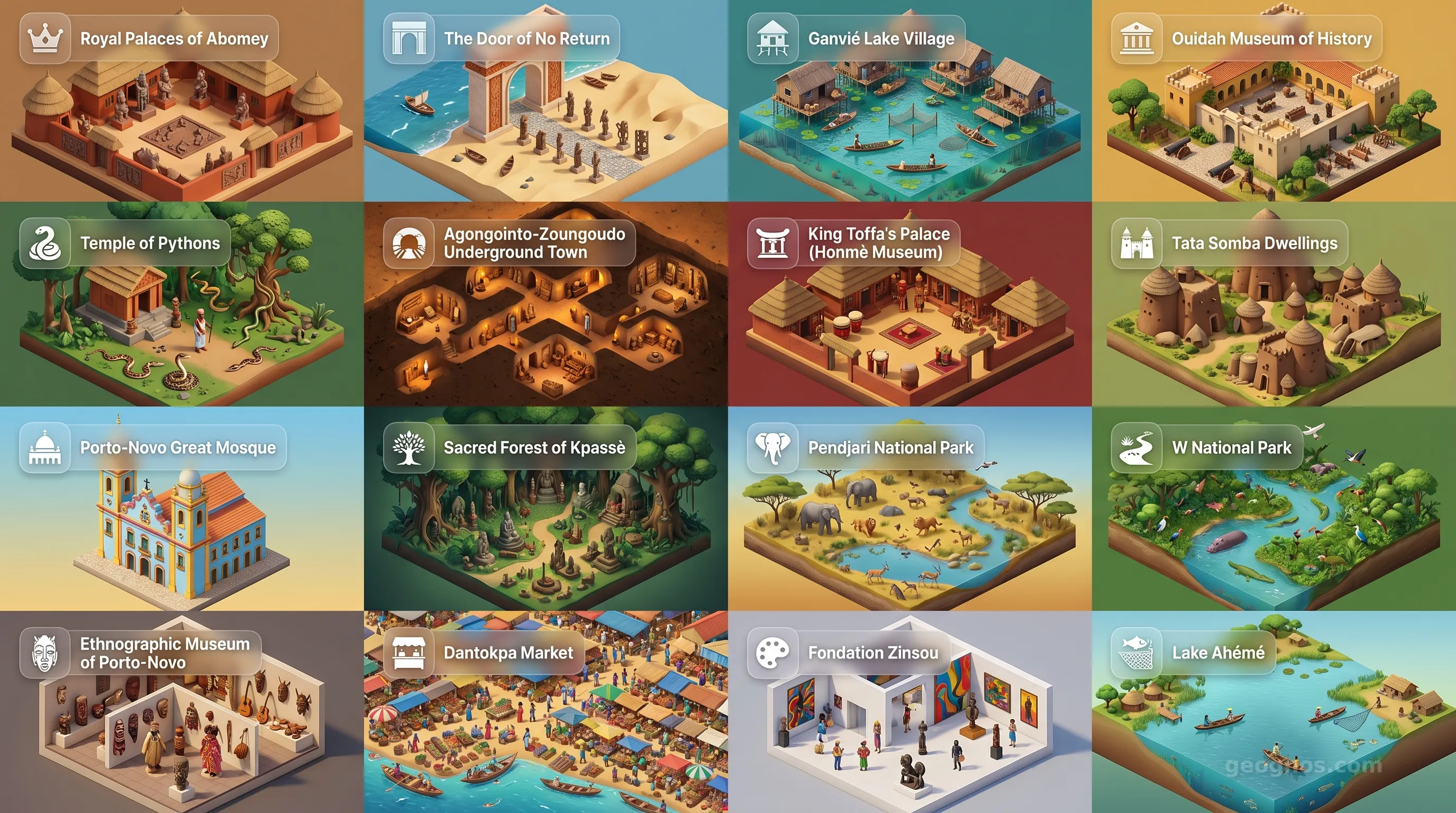
Beyond the intellectual pursuit of dates and facts, there is the raw, visual power of the Beninese landscape and its monuments. From the royal palaces of Abomey—which served as the seat of the powerful Dahomey monarchs—to the stilted lake village of Ganvie, often called the Venice of Africa, the architecture of Benin tells a story of survival and artistic splendor. We have curated a high-definition experience that brings these treasures to your screen; you may experience the history cinematic showcase to witness a chronological unfolding of the artistic and architectural movements that defined the nation over the last four hundred years.
It is in the physical connection to these sites that the traveler finds their greatest reward. Whether observing the intricate bas-reliefs of royal palace walls or the vibrant markets of Cotonou where modern trade routes meet artisanal heritage, the country offers a multisensory education. For those planning a journey or mapping out their classroom virtual tours, you can discover our curated points of interest cinematic showcase. This visual carousel acts as a gateway to the major landmarks of the nation, providing a lens into the geographical and historical diversity that spans from the coast of Ouidah to the northern hills of the Atakora mountain range.
Geography as a Foundation for Resilience
Benin’s geographic shape is remarkably symbolic. Often described as a long, slender strip of land, the country funnels diverse climatic and ecological zones into one unified state. To the south, the humid tropical coast invites cooling Atlantic breezes and nurtures fertile, oil-palm rich lands. As you move northward, the landscape ascends into the granite peaks of the Atakora Mountains, providing a cooler, rugged terrain that was historically a sanctuary for mountain-dwelling peoples. The transition from the mangrove-dotted shorelines to the savanna of the north provides a natural canvas upon which Benin’s rich biodiversity flourishes.
This vertical geography has meant that communication and movement across the nation have always been an exercise in cultural exchange. Merchants, scholars, and travelers have utilized these routes for generations, creating a linguistic and social melting pot. While the official language is French, the air is alive with the sounds of Fon, Yoruba, Bariba, and dozens of other indigenous languages that define the unique communal identities of the country’s many ethnic groups. Each region in Benin, from the coastal ports of the South to the ancient administrative hubs of the North, maintains its own culinary tradition, music, and social structure, adding vibrant threads to the larger tapestry of the Beninese nation.
A Future Rooted in Traditional Wisdom
Today, Benin sits at an intriguing intersection. It is a nation that honors its past while actively engaging with the demands of the twenty-first century. For the scholar of sociology or international relations, observing Benin is a study in how a nation reconciles its deep, ancestral memory with a rapidly globalizing environment. The emphasis on education, the preservation of tangible historical sites, and a commitment to cultural diplomacy make it a beacon of stability and creative inquiry in West Africa.
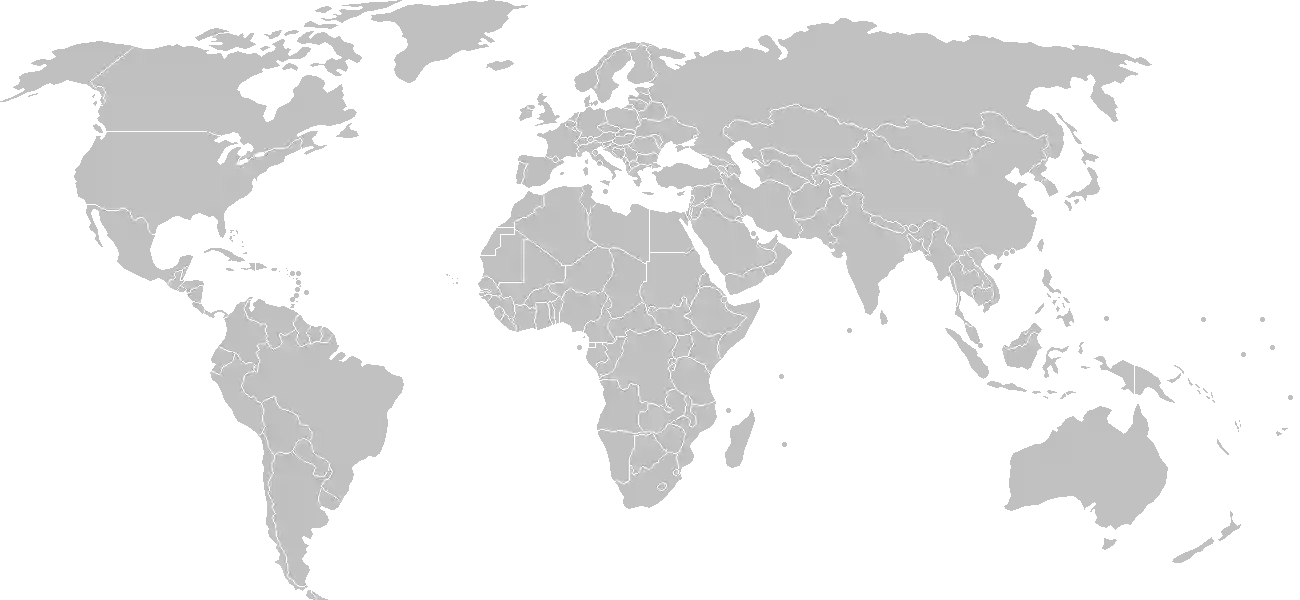
Whether you are a student exploring the map to find the capital, Porto-Novo, or a researcher examining the economic shifts of the ECOWAS member state, your time here at GeoGnos will prove illuminating. We believe that by understanding the small details—the specific river flow of the Oueme, the intricate carving on a Vodun fetish, or the cadence of a local proverb—you reach a profound understanding of the whole. Benin is waiting to be uncovered, understood, and appreciated in all its complexity. We hope that this introductory journey serves as the beginning of a long and fruitful exploration into the soul of a truly fascinating West African gem.