The Land of Honest Men: An Introduction to Burkina Faso
To step into Burkina Faso is to step into the beating heart of West Africa. Tucked away from the coast, in the semi-arid expanse of the Sahel, the country holds a profound sense of stoicism and communal spirit that is echoed in its name. In the local Moore language, Burkina means "honest" or "upright," while Faso signifies "fatherland." Together, they create a national identity defined by the "Land of the Upright Men." This is not a nation defined by mountain ranges or vast maritime access, but by the resilience of its people, the richness of its intangible heritage, and a landscape that, while harsh to the uninitiated, is alive with complex histories and vibrant artistic traditions.
For those unacquainted with this landlocked mosaic, it is helpful to look past the geographical challenges and see the immense cultural gravity it exerts. Burkina Faso serves as a crucible of Sahelian culture, a place where centuries of trade, migration, and local governance have converged. To truly understand the character of this nation, it is helpful to explore the history of Burkina Faso, which traces a path from the powerful Mossi Kingdoms to the complexities of the colonial era and the modern struggle for sustainable development.
The Geography of Resilience
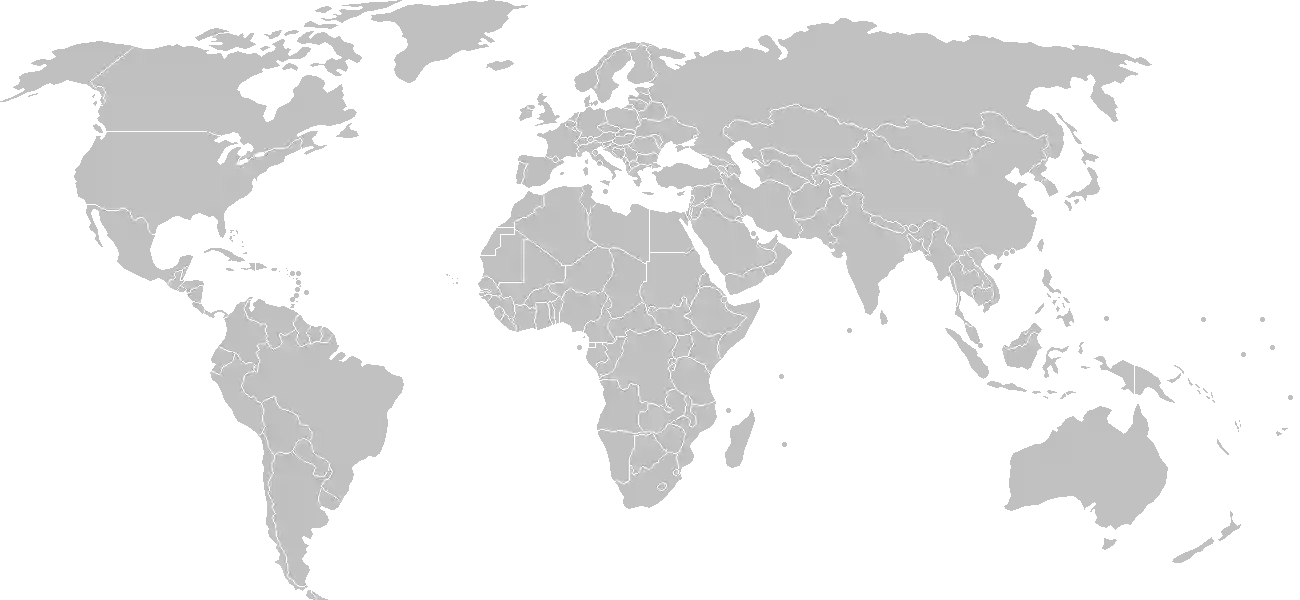
Burkina Faso rests on a vast, gently undulating plateau, where the horizon stretches indefinitely. Its terrain is largely savannas and dry, open woodlands. Yet, it is within these seemingly sparse plains that the geography of the nation breathes. The country is nourished by the intricate network of the Volta River basin, comprised of the Black, White, and Red Volta rivers. These waters, though seasonal, have been the lifeblood for the agricultural communities that define the rural character of the state. It is a geography that demands ingenuity, encouraging the development of distinct land-use practices that have sustained local populations for millennia.
For students and travelers alike, observing the physical landscape is only the first layer. If you wish to witness the unfolding narrative of these lands, you might engage with our History Cinematic Showcase. Here, the abstract concepts of borders and colonial shifts are rendered into a visual timeline, helping observers grasp how this nation navigated the currents of the twentieth century to emerge as an independent entity in 1960.
A Cultural Crossroads of the Sahel
If the landscape provides the foundation, the culture of Burkina Faso provides the spirit. Home to dozens of ethnic groups, including the Mossi, the Fula, the Bobo, and the Gourma, the country represents a fascinating microcosm of West African societal structures. Art here is rarely separated from life. Whether it is the intricate, geometric masks of the Bwa people or the globally recognized FESPACO film festival in Ouagadougou, the nation has established itself as an artistic powerhouse that challenges the misconception that geography dictates a lack of cultural sophistication.
Burkina Faso has always been a junction, a waypoint for the nomadic merchants crossing the Sahara and the agrarian civilizations seeking fertile pockets along the riverine arteries. This intersectionality has fostered a population that is famously welcoming, intellectual, and proud. Understanding how these distinct groups arrived at the present moment is a rewarding pursuit. For those who enjoy testing their retention of these complex transitions, we invite you to explore our History Puzzle, an interactive journey that places the major eras and transformative events of the nation directly into your hands.
Preserving the Legacy
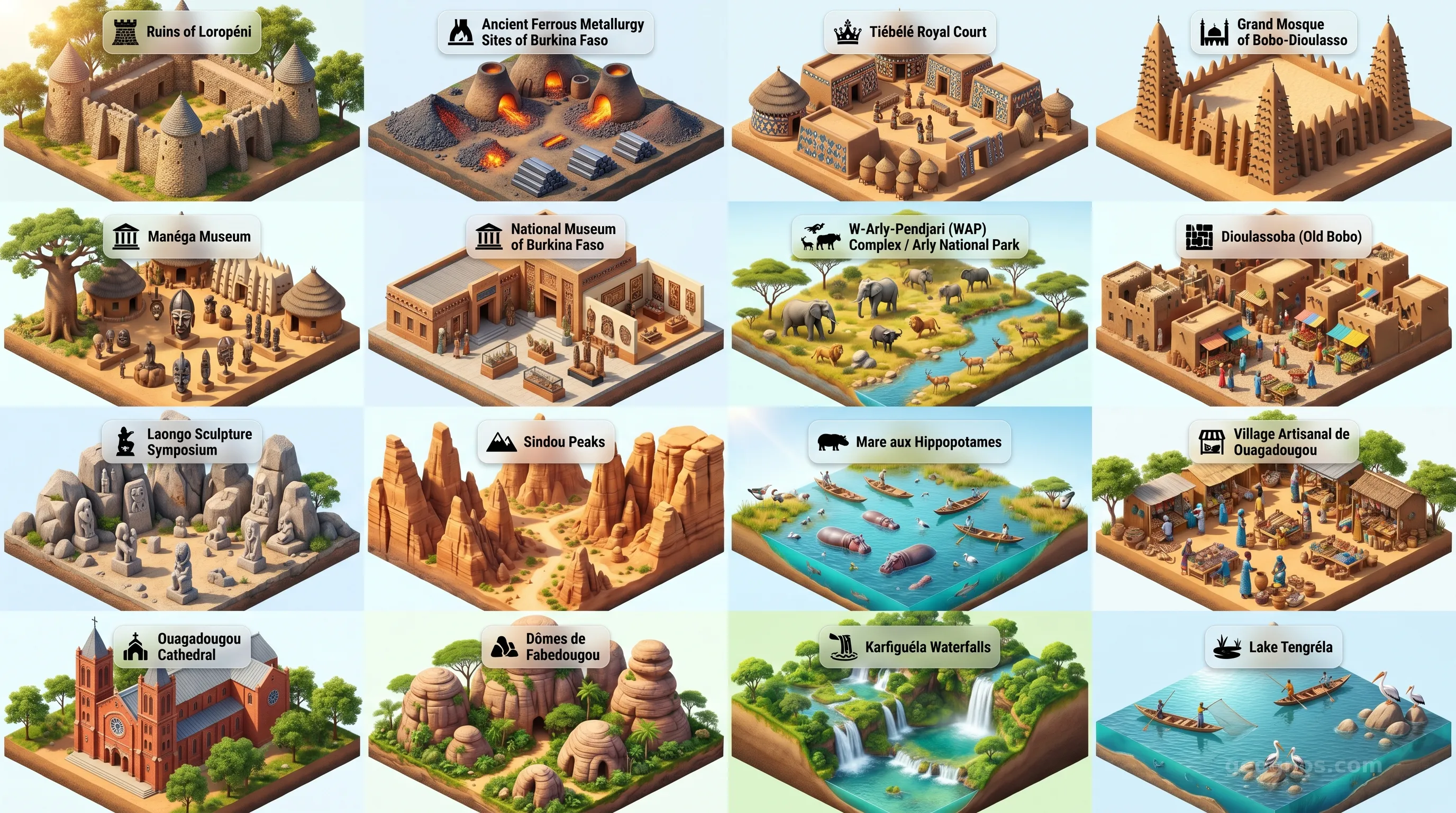
Beyond the cities, the true magic of the country resides in its hidden pockets of beauty and historical endurance. From the delicate carvings found in remote villages to the geological wonder of the Sindou Peaks, the country rewards those who look closely. To appreciate the aesthetic and historical depth of these landmarks, we have curated the POI Cinematic Showcase. This collection offers a breathtaking window into the physical and architectural marvels that define the Burkinabé experience, providing an essential resource for teachers designing curriculum or travelers mapping out their eventual routes through the Sahel.
Building Knowledge in the Land of the Upright
In our capacity at GeoGnos, we see Burkina Faso as a reminder of how humans adapt to, cherish, and transform their environments. It is a nation of intense sunlight, seasonal renewal, and a social contract predicated on integrity. As you proceed through our comprehensive pages, you will discover that the country is far more than a statistic on a development map. It is a vibrant, evolving story of independence, community, and creative expression.
By engaging with this atlas, you are participating in a global conversation about the importance of place. Burkina Faso may be distant for many, but its lessons on perseverance and cultural pride are universal. We encourage you to study the maps, analyze the economic structures, and listen to the narratives contained within these digital halls. Whether you are preparing a lecture on West African geography or planning a journey across the arid beauty of the savanna, you will find that the Land of the Upright Men is a place of profound discovery.