The Narrow Gateway to West Africa
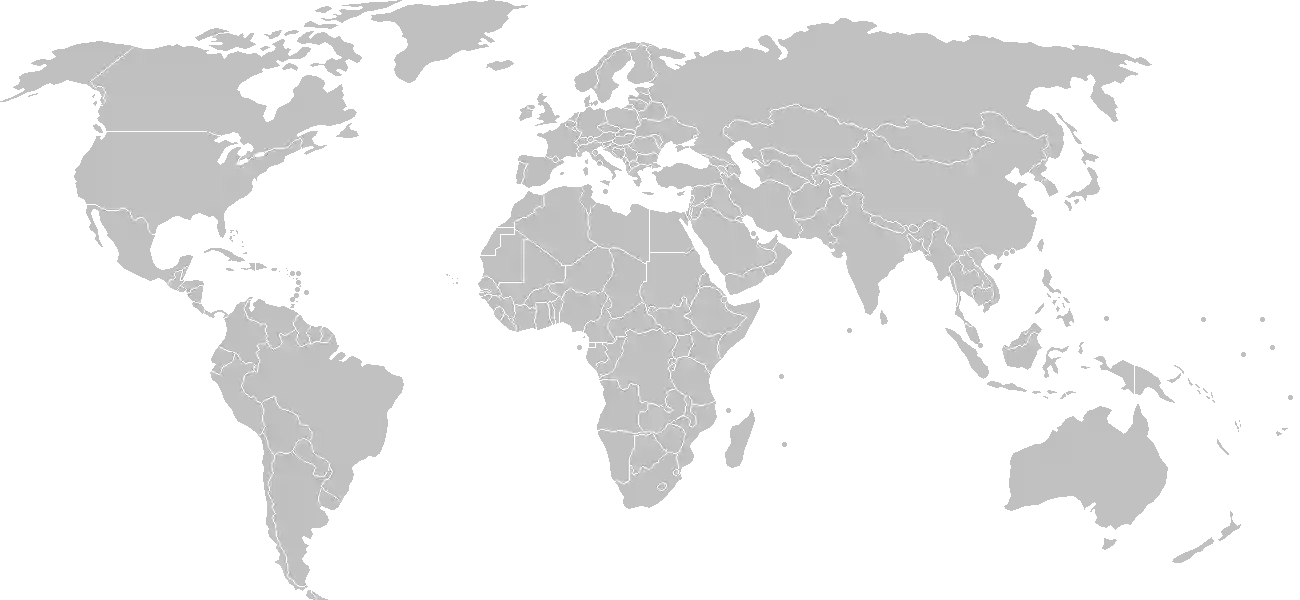
Togo is a nation defined by its striking verticality, a long, slender ribbon of land that stretches like a slender bridge from the glistening shores of the Gulf of Guinea up into the rolling, sun-drenched savannahs of the Sahel. To look at a map of West Africa is to immediately notice Togo's unique geographic thumbprint. While its neighbors often sprawl across vast horizontal expanses, Togo is compressed, an intimate slice of the continent that manages to host an astonishing microcosm of Africa’s ecological and cultural diversity within a relatively modest border.
It is precisely this "sliver" geography that gives the country its intense, layered identity. Traveling from the palm-fringed Atlantic coastline in the south to the craggy, verdant highlands of the central region and finally to the expansive plains of the north, one experiences a dramatic, condensed sequence of transitions. This is not merely a country, but a high-definition experience of the West African landscape, a place where history and environment are tightly woven into the daily lives of its people.
Echoes of the Past
The history of Togo is a narrative of resilience and crossroads. Because of its accessible coast and strategic location, the region has been a focal point for trans-regional trade, colonial navigation, and the intermingling of powerful indigenous traditions. To understand how this narrow stretch of land navigated centuries of transformation to emerge as the vibrant state it is today, one should explore the comprehensive history of Togo. Within this curated resource, students and curious travelers can delve into the specific moments, from pre-colonial kingdoms to the eras of European administration, that forged the Togolese spirit.
For those who prefer a more sensory, narrative-driven experience, the journey through time can be vivid and immediate. You can experience the triumphs and challenges of the past by watching our history cinematic showcase, which offers a visually compelling, chronological account of the events that shaped the nation. Furthermore, for learners who thrive on active engagement and testing their knowledge, we invite you to master the timeline by playing our interactive history puzzle, where you can sort the major milestones of Togolese heritage and earn community badges for your accuracy.
A Mosaic of Cultures
Togo’s population is as varied as its geography. It is home to over forty different ethnic groups, each contributing to a tapestry of traditions, languages, and belief systems that have coexisted for centuries. The Ewe people in the south, the Kabyé in the north, and dozens of other communities have developed sophisticated societal structures that value community, artistic expression, and connection to the land. Whether in the bustling markets of the capital, Lomé, or in the tranquil mountain villages of the central plateaus, the cultural identity of Togo is one of welcoming hospitality and deep pride in local heritage.
Landscapes That Captivate
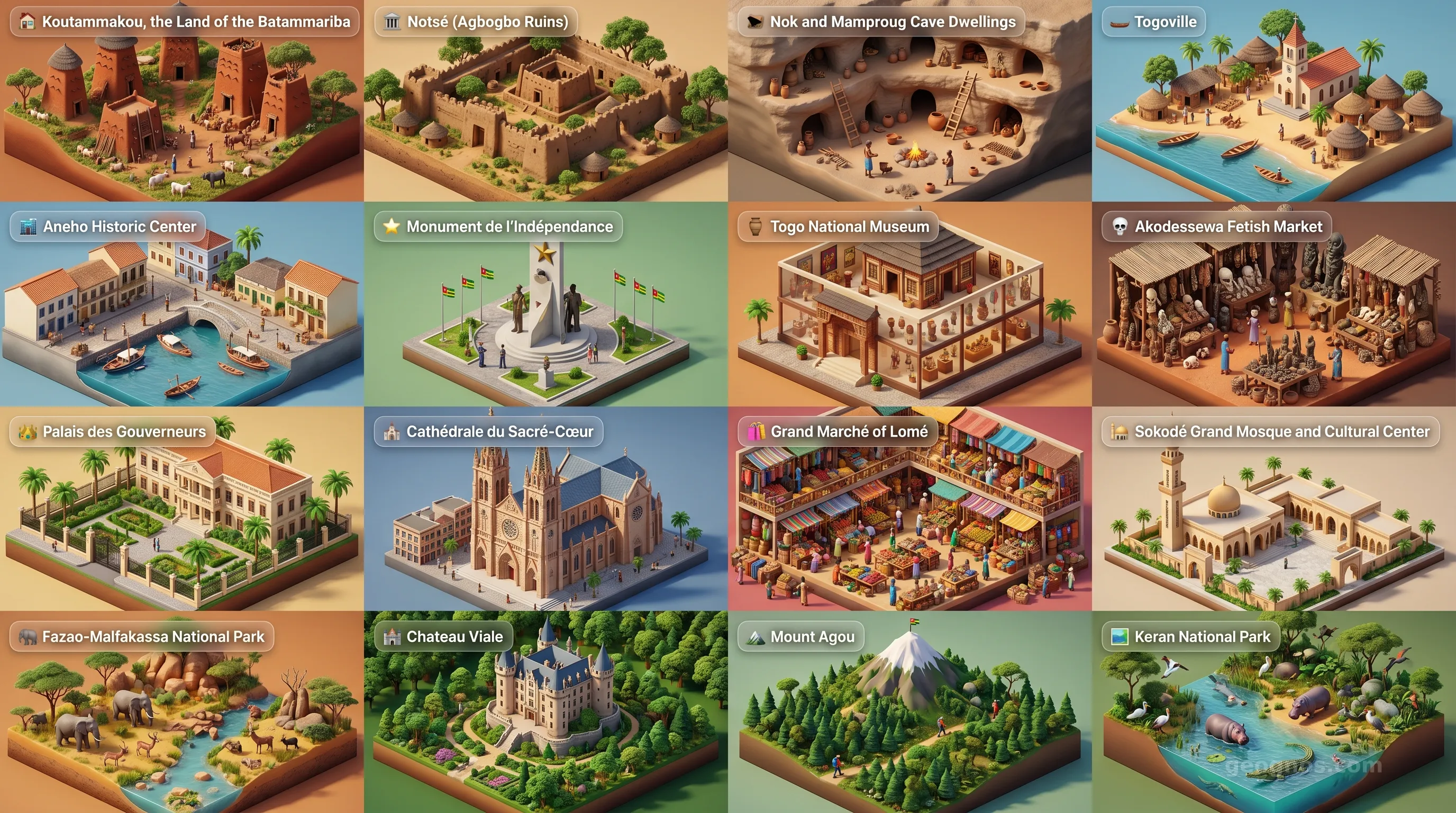
To visit Togo is to constantly pivot between the coastal breeze and the interior highlands. The southern coast, centered around Lomé, is characterized by its white sandy beaches, lagoons, and the rhythmic influence of the Atlantic. Yet, travel north and the elevation rises, revealing the Togolese Mountains, part of a chain that runs diagonally across the country. These mountains, including the stunning Mount Agou, offer a respite from the tropical heat, blanketed in verdant forests and dotted with breathtaking waterfalls, such as the cascades at Kpalimé.
The northern regions shift once again, moving toward the vast, open savannahs where iconic baobab trees punctuate the horizon. This region is also home to the fascinating Koutammakou landscape, a UNESCO World Heritage site, where the Batammariba people construct their remarkable, fortress-like mud houses, known as Takienta. These architectural marvels are designed to protect and honor both the residents and their traditions, standing as a testament to human ingenuity in harmony with the environment. If you are preparing for your next adventure or simply wish to see the sheer diversity of this landscape, you should explore the POI cinematic showcase, which highlights these stunning landmarks and their profound cultural significance.
Looking Toward the Future
Togo sits at an intersection of stability and development, increasingly asserting itself as a hub of commerce and cultural exchange in West Africa. As a nation, it is meticulously balancing the preservation of its traditional roots with the modern demands of the twenty-first century. The youth, who make up a significant portion of the population, are dynamic and forward-thinking, driving advancements in agriculture, technology, and arts. The nation is building upon its geographic strengths, enhancing its port infrastructure while emphasizing sustainable environmental management of its fertile soils and abundant biodiversity.
Ultimately, Togo is a reminder that a nation’s magnitude is not measured in square kilometers, but in the breadth of its character. From the historic shores that witnessed world-altering commerce to the quiet, dignified traditions of the northern highlands, Togo is a testament to the endurance and vitality of West African life. For any student, teacher, or traveler seeking to deepen their understanding of our interconnected world, Togo stands as an essential chapter, a vibrant case study in geography, history, and culture that leaves an indelible mark on all who turn its pages.