The Archipelago Soul: An Introduction to Guinea-Bissau
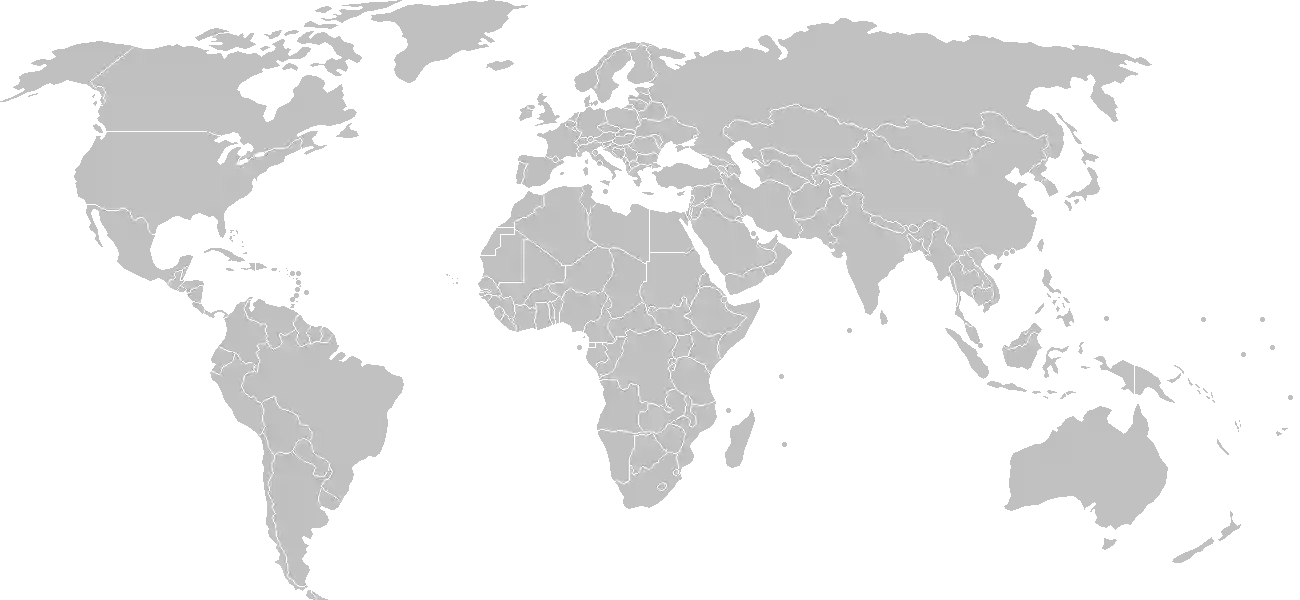
There are corners of the globe where the map feels less like a fixed boundary and more like a suggestion, written in shifting tides and coastal mangroves. Guinea-Bissau is exactly such a place. Tucked along the West African bulge, this nation does not simply sit on the continent; it spills into the Atlantic in a spectacular fracture of land and water known as the Bijagós Archipelago. To understand Guinea-Bissau is to move away from the rigid definitions of borders and instead embrace a rhythm governed by the moon, the rains, and the ebb and flow of the mighty rivers that carve through its interior.
The soul of this country is fluid. It is found in the way the Rio Geba pulses through the heart of the capital, Bissau, and in the quiet resilience of the villages nestled deep within the rain-drenched forests of the interior. While many nations are defined by their urban centers, Guinea-Bissau is a triumph of ecology and cultural persistence. It is a land where ancient animist traditions, coastal merchant histories, and modern aspirations coexist in a tapestry that is as complex as the tangled roots of the mangrove trees that protect its coastline.
A Geography of Liquid Thresholds
Geographically, Guinea-Bissau is a study in transition. Unlike its rugged mountainous neighbors, this nation is largely composed of low-lying coastal plains and rolling savanna. It is defined by its estuaries, which act as the lifeblood of the nation. The country remains one of the few places in the world where the transition from sea to swamp to forest feels primal and untouched. The Bijagós Archipelago, a UNESCO Biosphere Reserve, serves as a sanctuary for both biodiversity and culture, maintaining a unique societal structure that has remained largely resistant to external pressures for centuries.
Visitors and scholars alike often remark that to visit this region is to witness the African continent breathing. If you wish to understand how this unique landmass came to be settled, shaped, and contested over the last half-millennium, you might begin your journey through our comprehensive history essay. It provides a detailed account of the events, trade networks, and cultural movements that built the modern state, complete with curated pedagogical guides for educators.
Chronicles in Stone and Spirit
The history of Guinea-Bissau is not merely a collection of dates, but a layered experience of transformation. From the ancient influence of the Mali Empire to the arrival of Portuguese caravels and the later, arduous struggle for national liberation, every era has left a permanent imprint on the Bissau-Guinean identity. This narrative is punctuated by figures of resilience who fought to define a singular destiny for a nation of many ethnicities and languages.
For students and history buffs eager to test their knowledge of this profound timeline, our interactive history puzzle invites you to organize these seminal moments in the correct chronological order. Successful completion unlocks insights into the strategic importance of the nation in the wider scope of the Atlantic world. To better visualize these turning points, we have developed a history cinematic showcase, which blends period illustrations with authoritative summaries to bring the evolution of the Bissau-Guinean state to life.
A Cultural Tapestry of Resilience
Beyond the water and the wood lies the most vibrant element of all: the people. The population of Guinea-Bissau is a remarkably diverse mosaic of over twenty ethnic groups, including the Balanta, Fula, Mandinga, and the unique society of the Bijagós people. This linguistic and cultural diversity creates a social landscape where cooperation is a survival strategy and harmony is a deep-rooted cultural value. In Bissau, the capital city, you will find a blend of colonial architecture, bustling open-air markets, and a culinary scene that draws heavily from the abundant gifts of the ocean and the fertile river valleys.
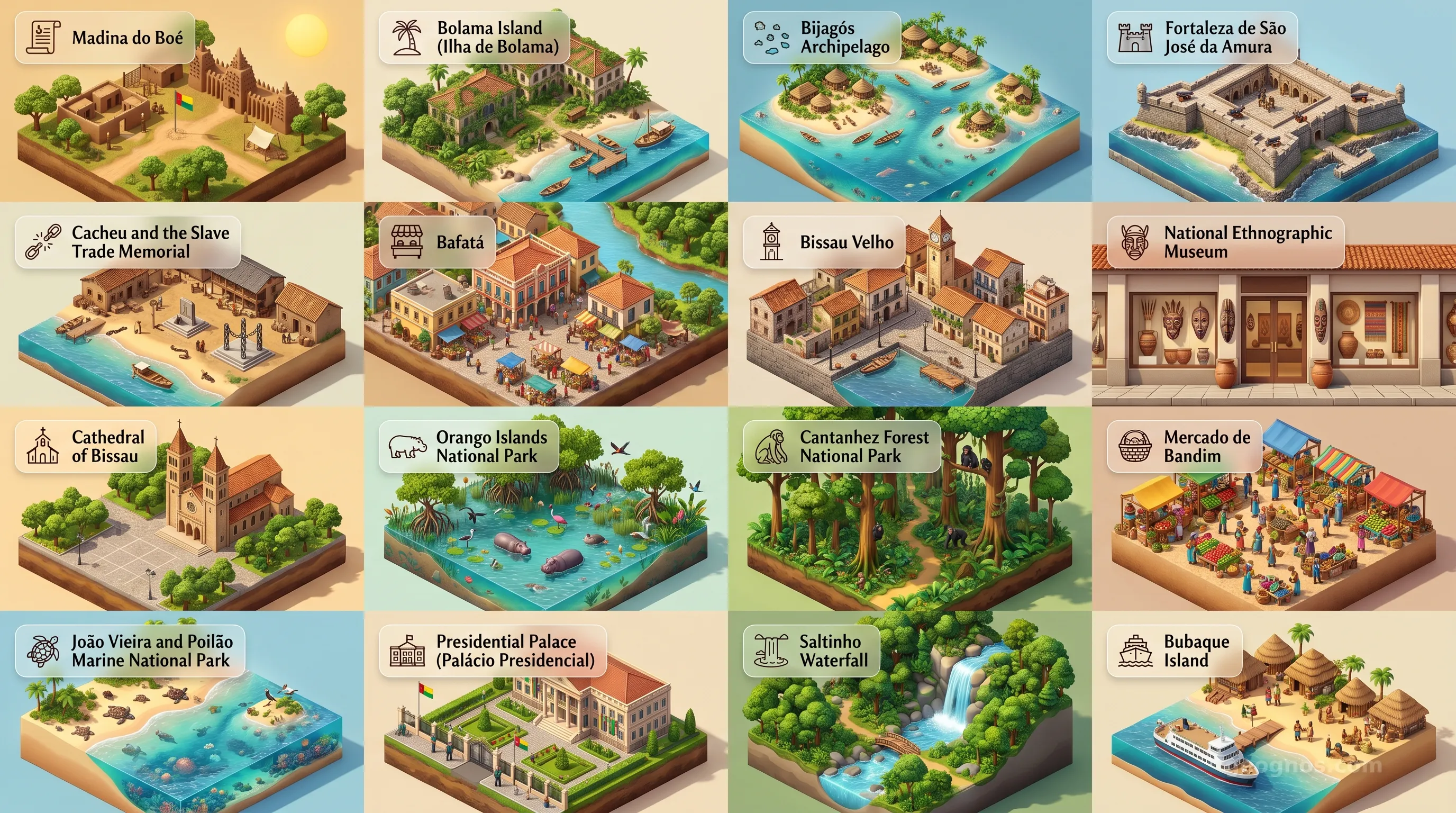
The pride of the nation is reflected in its respect for both the past and the potential for a sustainable future. Whether one is walking through the historical district of Bissau or exploring the traditional settlements on the archipelago, there is an immediate sense of openness and vitality. To truly appreciate the landmarks and natural wonders that define the physical and cultural identity of this West African gem, we invite you to view our POI cinematic showcase. This visual journey traverses the nation from the architectural curiosities of its cities to the pristine, silent beaches that define the coast.
Education and the Future of Discovery
As we curate these digital archives at GeoGnos, our goal is to foster a deeper, more empathetic understanding of Guinea-Bissau among the global community. The nation is often overlooked in traditional geography curricula, yet its role in the development of modern West Africa is pivotal. Through the integration of visual media and scholarly research, we aim to transform the way we perceive nations that operate outside the Western-centric gaze. Guinea-Bissau represents a vital opportunity to learn about resilience, ecological management, and the preservation of human heritage.
The path forward for Guinea-Bissau is as broad and inviting as the Atlantic horizons that hug its shores. As you explore this atlas page, we encourage you to look beyond the static statistics and consider the living culture, the ecological treasure, and the profound historical echoes that define the daily lives of the Bissau-Guinean people. May this digital repository serve as a bridge, connecting classrooms, universities, and intrepid travelers to a nation that is, in every sense of the word, an unforgettable experience.