The Andean Cathedral and the Caribbean Pulse
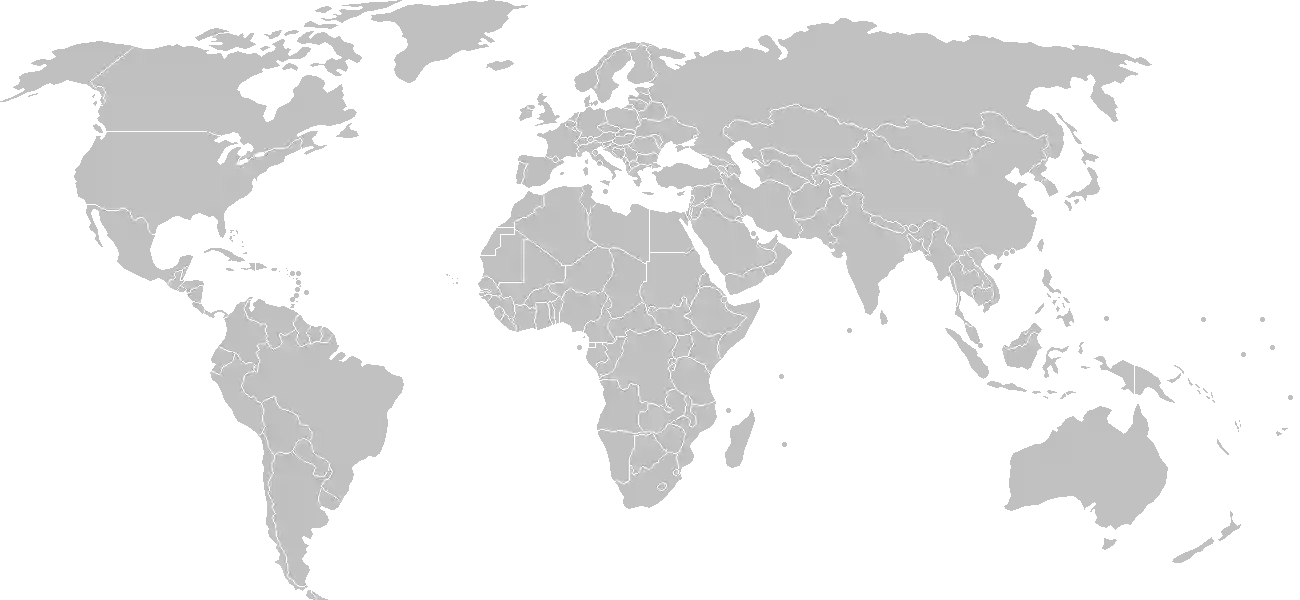
Colombia exists as a paradox of altitude and latitude, a nation where the rigid, spine-like ascent of the Andes yields to the humid, languid embrace of two different oceans. To look at a map of Colombia is to see a country that refuses to be categorized by a single environmental profile. It is the only nation in South America with coastlines on both the Pacific Ocean and the Caribbean Sea. This geographic singularity acts as a bridge between worlds, anchoring the continent to the Isthmus of Panama while pushing its consciousness deep into the Amazonian basin and the high-altitude moors of the central cordilleras.
To understand the Colombian identity, one must first recognize the sheer verticality of its landscape. The topography dictates the pace of life. In the high-altitude plateau of the Altiplano Cundiboyacense, the air is thin, crisp, and intellectual, fostering cities like Bogotá that lean toward scholarly pursuits and structured urbanity. Descend into the coffee axis or the lush valleys of the Cauca, and the rhythm softens into something rhythmic and botanical. Travel further to the sun-bleached ramparts of Cartagena or the rugged coasts of Chocó, and the influence of the sea introduces a vitality born of maritime trade, Afro-Caribbean culture, and deep tropical warmth.
A Tapestry Woven from Conflict and Creation
The human history of this territory is as layered as the strata of its mountains. Before the arrival of European explorers, the Muisca, Tayrona, and Quimbaya civilizations thrived in an sophisticated social organization that understood the earth as a living, sacred entity. This deep past remains a fundamental pillar of Colombian heritage, constantly surfacing in contemporary literature, art, and the daily social habits of its people.
For those eager to understand how these disparate tribes, colonial ambitions, and the subsequent movements for independence forged the modern state, we invite you to explore the comprehensive history of Colombia. This detailed record tracks the evolution of the republic from its pre-Columbian roots through the turbulent colonial era and into the emergence of a vibrant, multifaceted nation-state. By grounding yourself in these chronological markers, you gain the necessary context to appreciate why the nation has evolved into such a resilient global player.
If you wish to test your understanding of how these epochal shifts influenced the modern national psyche, engage with our interactive history puzzle. This data-driven challenge requires participants to arrange major milestones in their correct sequence, earning badges that symbolize a mastery of the Colombian narrative. It is an ideal tool for students who prefer a gamified approach to understanding the complex chronology of the Andean world.
Visualizing the Soul of the Land
History is not merely found in archives; it is written on the stones of Cartagena’s fortresses, the steep streets of Medellín, and the coffee farms of Salento. To truly grasp the atmosphere of these sites, one must immerse themselves in the visual record. We have curated a high-definition collection that breathes life into the past, allowing you to watch a cinematic showcase of Colombian history. Through a carousel of curated illustrations and expert summaries, this module reveals how the foundational events of the past still echo in the marble halls of Congress and the vibrant plazas of the provinces today.
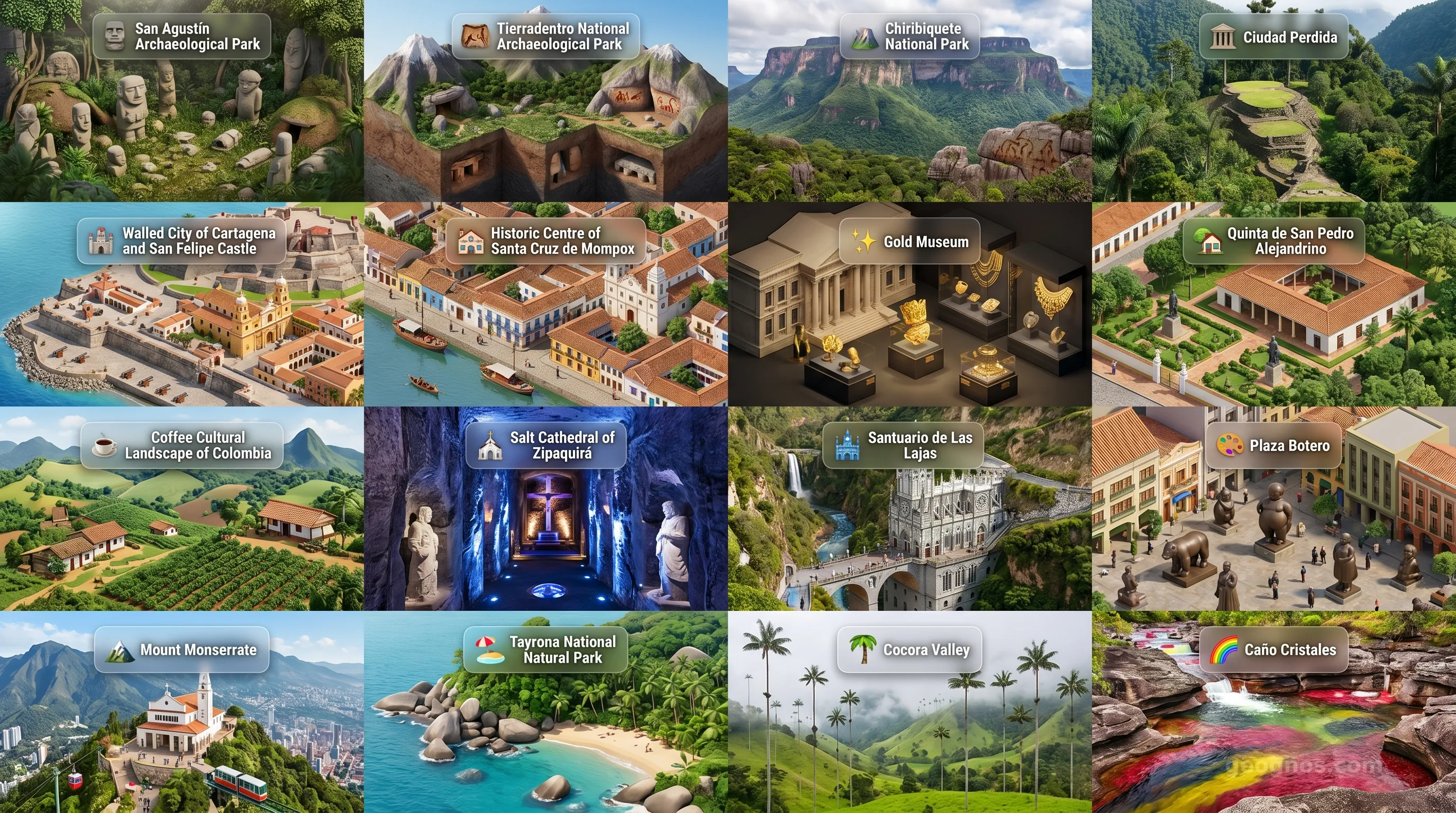
Colombia’s geography is an active, living participant in its development. From the crystalline waters of Tayrona National Park to the stark beauty of the Tatacoa Desert, the environmental diversity of this nation serves as a blueprint for its cultural variety. For prospective travelers and scholars alike, visualizing these regions is essential. Our curated cinematic showcase of points of interest serves as a digital expedition, mapping out the critical geographic landmarks that define the Colombian identity. These vistas highlight the harmony between natural ecosystems and human ambition, showing how modern Colombia utilizes its extraordinary biodiversity to pivot toward a sustainable and innovative future.
The Synthesis of Innovation and Tradition
Colombia’s current role in the global theater is that of a creative engine. It is a nation that exports more than just commodities; it exports its way of looking at the world. Through magical realism in literature, a burgeoning technological sector in urban centers, and a profound respect for agricultural traditions, the country is navigating the twenty-first century with a uniquely Colombian sense of purpose.
In the urban centers, one finds a dedication to connectivity and infrastructure that reflects a desire to bridge the geographical barriers that once isolated communities. Simultaneously, there is a fierce protection of the Andean mountain ranges and the Amazonian rainforests, recognizing that the environmental health of the country is inseparable from its national sovereignty. The intersection of modern governance, high-tech communications, and ancient land management forms the contemporary fabric of this nation.
As you delve deeper into the resources provided across this atlas, you will see that Colombia is a testament to the endurance of the human spirit when placed within one of the most beautiful and challenging environments on Earth. It is a place of constant growth, marked by an indefatigable optimism that serves as its true geographical and cultural signature. Whether you are analyzing the fiscal reports in our economy section or studying the demographic shifts of the last half-century, keep in mind that the soul of Colombia is found in the synthesis of all these parts: the mountain, the sea, the history, and the unwavering forward momentum of its people.