The Heart of the Pannonian Basin
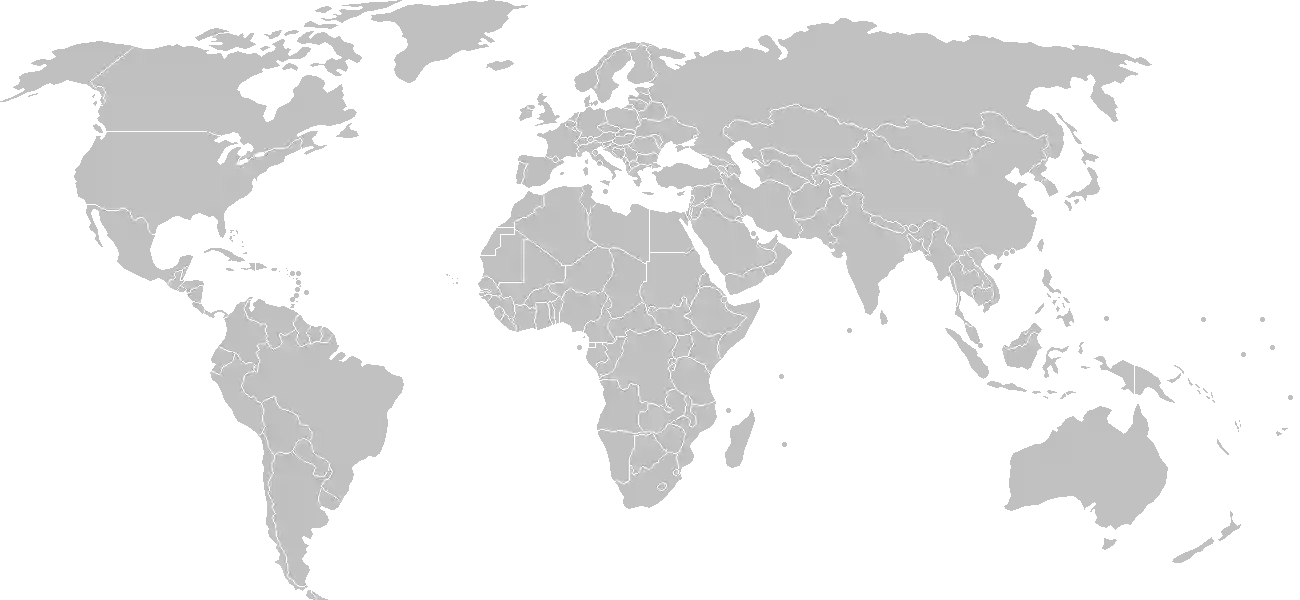
To look at Hungary upon a map is to observe a landlocked nation defined by the rhythmic heartbeat of its primary artery, the Danube River. Occupying the central Pannonian Basin, Hungary acts as a continental fulcrum, bridging the aesthetic sensibilities of Western Europe with the resilient, spirited traditions of the East. It is a country that has been carved by both glacial legacies and a complex, millennia-long march of cultures. The horizon here is dominated by the Great Hungarian Plain, or the Alföld, an expansive grassland that has whispered legends of nomadic tribes, knights, and revolutionaries for centuries. It is a land where the earth itself, saturated with thermal springs, suggests that the soul of the nation is intimately connected to the warmth beneath the surface.
For the traveler, the scholar, or the student of history, understanding this country requires a dive into its deep, sedimentary layers. Whether you are ready to immerse yourself in the academic narratives of the region or simply desire a foundational understanding of its past, you can explore the comprehensive history of Hungary, a journey that traces the transformation of these plains from ancient settlements to the modern sovereign state we recognize today.
A Crossroads of Architectural Splendor
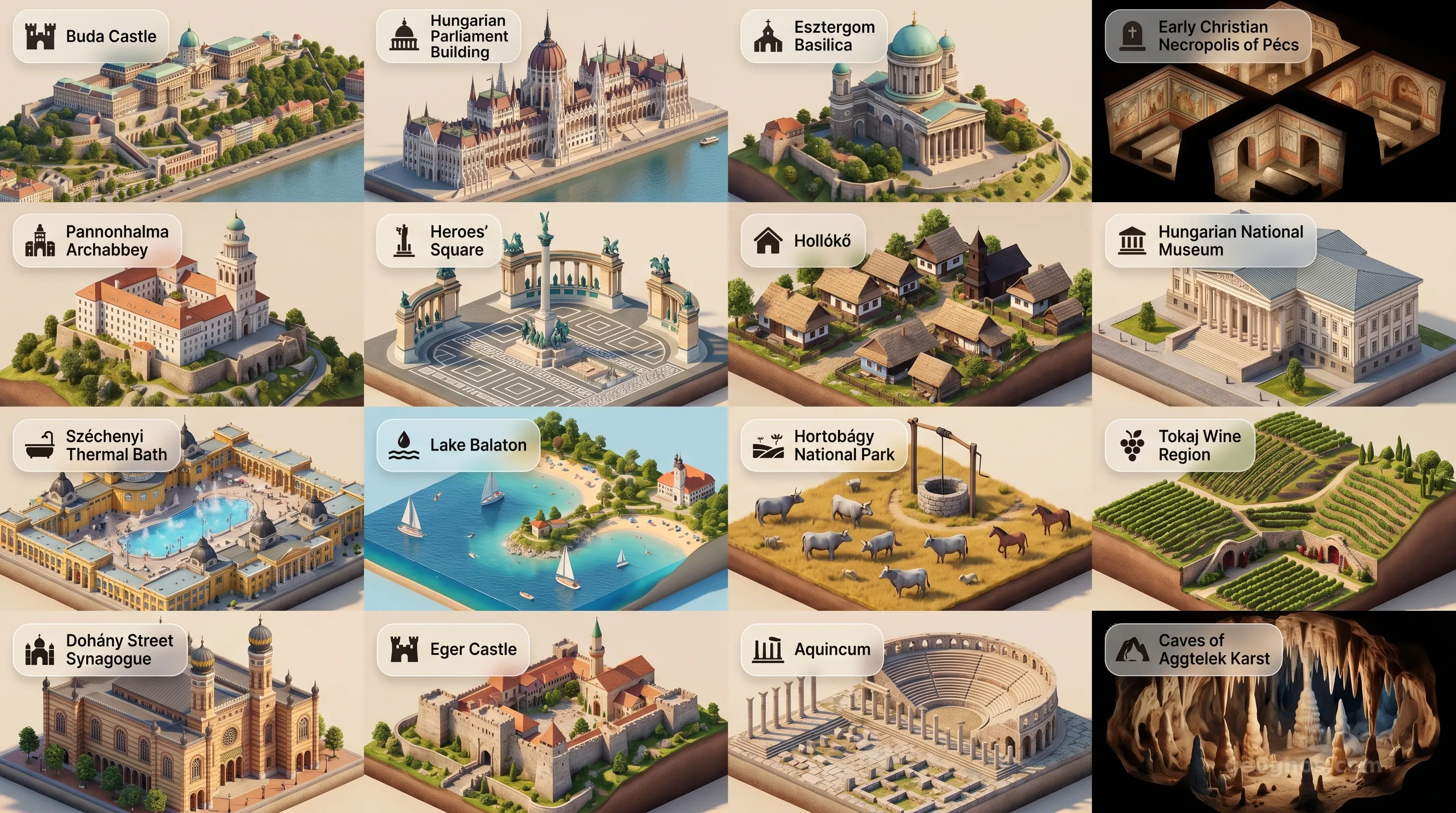
Hungary is frequently perceived as an architectural open-air museum. The urban identity of the nation is heavily tied to the twin cities of Buda and Pest, bisected by the Danube. Here, the sheer scale of the Neo-Gothic Parliament building rises like a crown above the water, while the hillside battlements of the Fishermen’s Bastion evoke a medieval fairyland. These sites do not merely serve as tourism backdrops, but as physical documents recording the ambitions of an empire and the resilience of a people. For those who wish to visualize these monuments in motion, you can view our POI Cinematic Showcase, which captures the distinct grandeur of these iconic landmarks in vivid detail.
The Weight of Time and Memory
History in Hungary is not a static object placed on a dusty shelf. It is a living, breathing component of the landscape, evident in the language, the culinary arts, and the way the nation approaches the passage of time. To master the timeline of this complex civilization, one must understand how key moments fit together to build the national identity. We invite you to engage with our interactive history puzzle, a curated challenge designed to test your knowledge as you arrange the milestones of Hungarian progression into their rightful sequence. It is a playful yet profound way to see how the scattered pieces of the past form the cohesive picture of the present.
The Resonance of the Magyar Spirit
What defines the Hungarian character? It is a blend of stoic determination and profound romanticism. Perhaps this is reflected in the nation's literature, or the melancholic yet fiery melodies of its folk music. It is a nation of intellectuals, poets, and innovators who have often looked outward toward Europe while guarding a core identity that is distinctly their own. When one gazes across the rolling hills of the Transdanubian region or walks through the vineyard-striped volcanic slopes of Tokaj, the connection to the land is undeniable. This is a soil that produces complex wines, a testament to the patient labor of those who have tended these acres for generations.
A Journey Through the Visual Archive
To synthesize the epic struggle and triumph of the Hungarian people requires more than just prose. It requires a synthesis of art, archival imagery, and historical narrative. If you are preparing a lecture or seeking a deep visual dive into the foundational shifts of this country, the History Cinematic Showcase offers an immersive experience. It transforms the timeline of the nation into a rhythmic narrative, layering summaries over historical illustrations to ensure that every major turning point, from the foundation of the Arpad dynasty to the societal shifts of the modern era, resonates with the viewer.
A Nation for the Future
As Hungary moves forward, it remains a pillar of Central Europe. It offers students of geography an ideal case study in how river systems, such as the Tisza and the Danube, facilitate trade and settlement. For the prospective traveler, it offers a sanctuary of thermal spas, a haven for cyclists, and a culinary frontier. The essence of Hungary is found in its ability to reconcile its traditional values with its position in the European community. It is a land that invites curiosity and rewards those who are willing to peer beneath the surface, whether that means studying the geological formation of its rolling hills or uncovering the layers of influence that have made its culture one of the most unique in the world.