The Heart of the Sahel: An Introduction to Chad
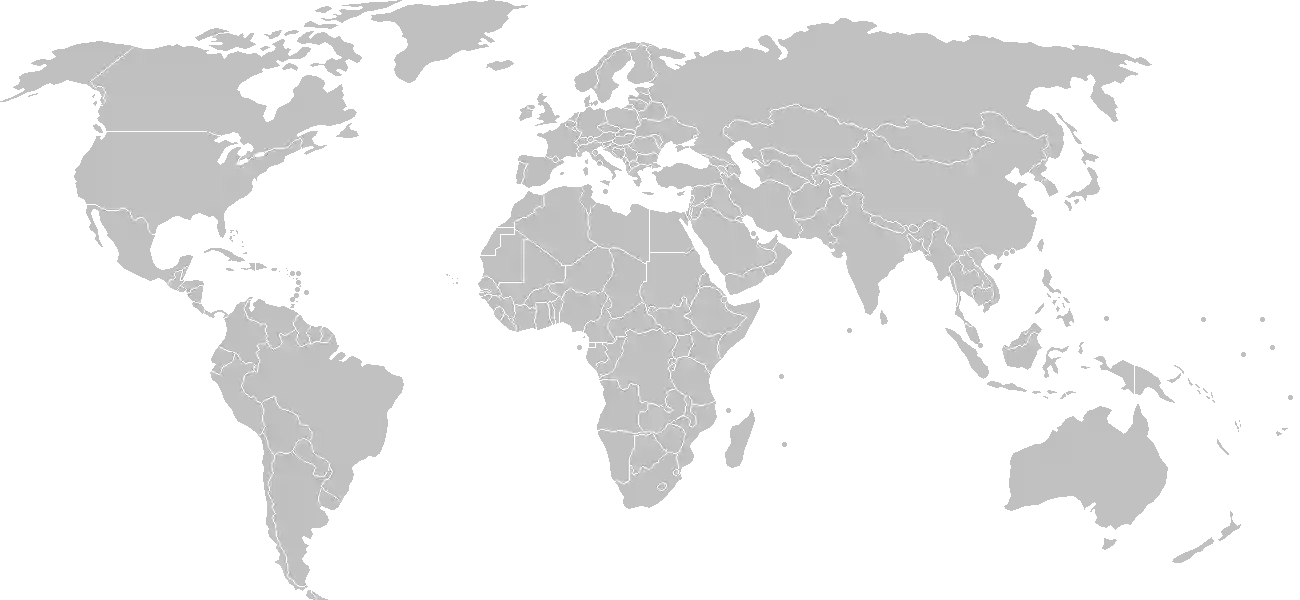
In the vast, expansive geography of Africa, there exists a nation that acts as a profound anchor, grounding the continent in its very center. Chad, often described as the "Dead Heart of Africa" due to its landlocked nature, is more accurately envisioned as a vital nexus. It is a land of striking environmental extremes, where the golden, infinite grains of the Sahara Desert in the north yield gradually to the semi-arid, sweeping savannas of the Sahel, and finally to the lush, life-giving tropics in the extreme south. To understand Chad is to understand the dialogue between humans and one of the world's most demanding, yet resilient, landscapes.
Chad is not merely a destination, it is an immersive experience in survival, adaptation, and profound beauty. It holds within its borders a diverse tapestry of cultures, languages, and traditional ways of life that have navigated the shifting tides of environmental change for millennia. From the nomadic communities moving across the northern dunes to the agrarian societies nurturing the fertile lands fed by the Chari and Logone rivers, the soul of Chad is forged in this necessity of constant movement and adaptation.
The Echoes of Time in the Sahara
To grasp the depth of this nation, one must look beneath the sand. Chad’s narrative is long and layered, acting as a crossroads where North African, Sub-Saharan, and Islamic influences have intersected, traded, and thrived. The land has been home to some of the oldest known civilizations in Africa, serving as a critical corridor for trans-Saharan commerce that once moved salt, gold, and knowledge between Mediterranean markets and sub-Saharan empires.
For those looking to understand how these early societies flourished despite the shifting environment, we invite you to explore the comprehensive history of Chad. Here, you will find meticulously curated archival insights, visual documentation of pivotal epochs, and educational frameworks designed to map the evolution of its people. If you wish to test your knowledge after your reading, engage with our interactive history puzzle, a challenging chronology where you can master the timeline of this complex nation and earn recognition for your expertise.
A Canvas of Visual Narratives
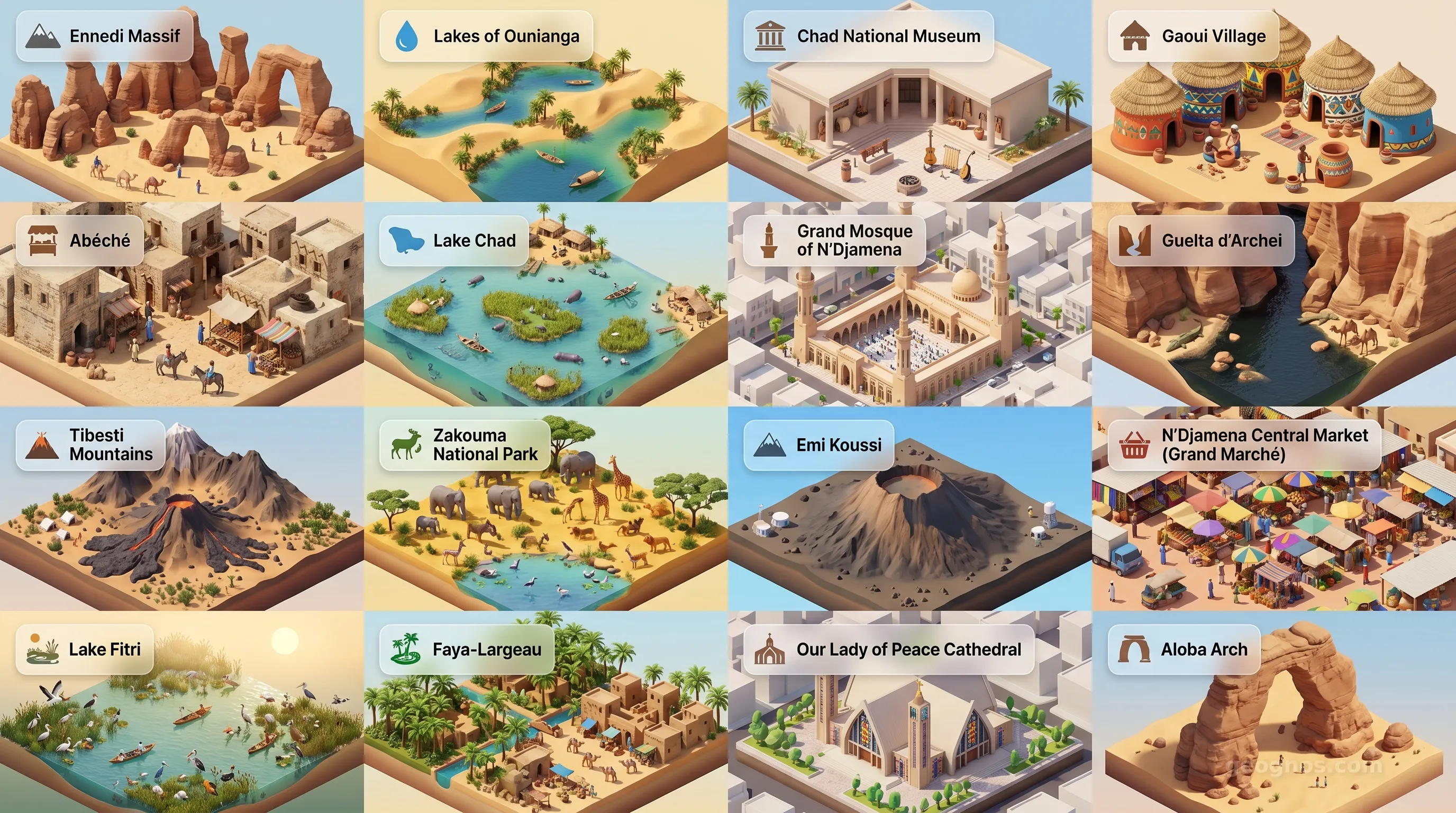
Chad possesses an aesthetic that defies simple description. The landscape is a paradoxical masterpiece: the dramatic, windswept arches of the Ennedi Plateau rise from the desert floor like a stone cathedral, while Lake Chad, a legendary body of water, continues to serve as a shrinking but persistent symbol of life and survival for millions. These vistas are not merely geographic markers; they are the backdrop of a vibrant, living heritage.
We believe that understanding a country requires a sensory connection to its most significant moments and places. Through our curated collections, you can visualize the narrative arc of this great land. Immerse yourself in the drama of past centuries with our cinematic history showcase, which utilizes historical imagery to bring scholarly research to life. Once you have a handle on the narrative of the past, pivot to the geography of the present. We encourage you to discover the points of interest via our cinematic showcase, which transports you from the hidden rock paintings of the Tibesti Mountains to the bustling, colorful markets of N'Djamena, providing a high-definition window into the wonders that await in the heart of Africa.
The Resilience of the Chadian Spirit
The contemporary identity of Chad is defined by its remarkable capacity for coexistence. The nation is home to over 200 distinct ethnic groups, a mosaic that translates into a breathtaking wealth of music, oral traditions, and artisanal craftsmanship. The Chadian people have a profound connection to their land, a relationship rooted in traditional wisdom and a deep understanding of natural cycles. This resilience is the true heartbeat of the country, louder and more significant than the silence of the Sahara.
As you delve further into our dedicated page for Chad, you will find that the physical land and the societal fabric are deeply intertwined. Whether studying the hydrological importance of the Chari-Logone river system, the diverse nomadic customs of the northern tribes, or the rapid modernization of urban hubs like the capital, every facet of Chad offers a lesson in perseverance. It is a nation that asks for patience and rewards curiosity, offering a rare glimpse into a part of the world that remains authentically, undeniably itself.
We invite educators, scholars, and curious travelers alike to utilize the following resources provided on this page. May your journey through the data, the geography, and the stories of Chad be as expansive as the landscape itself. This is a country that stands as a testament to the endurance of the human spirit in the center of a changing world, and we are proud to serve as your guides to understanding its complex, multifaceted soul.